Trump urges caution as U.S.-Iran talks advance on nuclear deal
U.S. and Iranian negotiators have settled broad principles, but Trump says no deal is done as uranium, missiles and the Strait of Hormuz still need written terms.

The outlines of a possible U.S.-Iran nuclear deal have begun to take shape, but Donald Trump is warning that nothing is finished and that the White House will not rush the last step. On Sunday, May 24, 2026, Trump said he had told his representatives not to hurry, arguing that time was on their side and that the talks were moving in an orderly, constructive way.
The emerging framework reportedly rests on several broad principles that have long separated Washington and Tehran. U.S. and Iranian negotiators have agreed in principle to reopen the Strait of Hormuz, and Iran would commit to disposing of its highly enriched uranium stockpile. A senior Trump administration official said the administration’s bottom line is clear: Iran must stop pursuing a nuclear weapon, reopen the Strait of Hormuz without tolls, and turn over enriched uranium.
Even with that apparent movement, the hardest questions remain unresolved. Formerly announced details point to disputes over Iran’s missile stockpile and the exact terms of uranium disposal. Some reports have also said Iran has rejected major parts of Trump’s plan, including any immediate dismantling of its nuclear program or handing over its enriched uranium. Tehran’s semi-official Fars News Agency has said the Strait of Hormuz would still be under Iranian management even if an agreement is reached, underscoring how far apart the sides remain on control, access and enforcement.
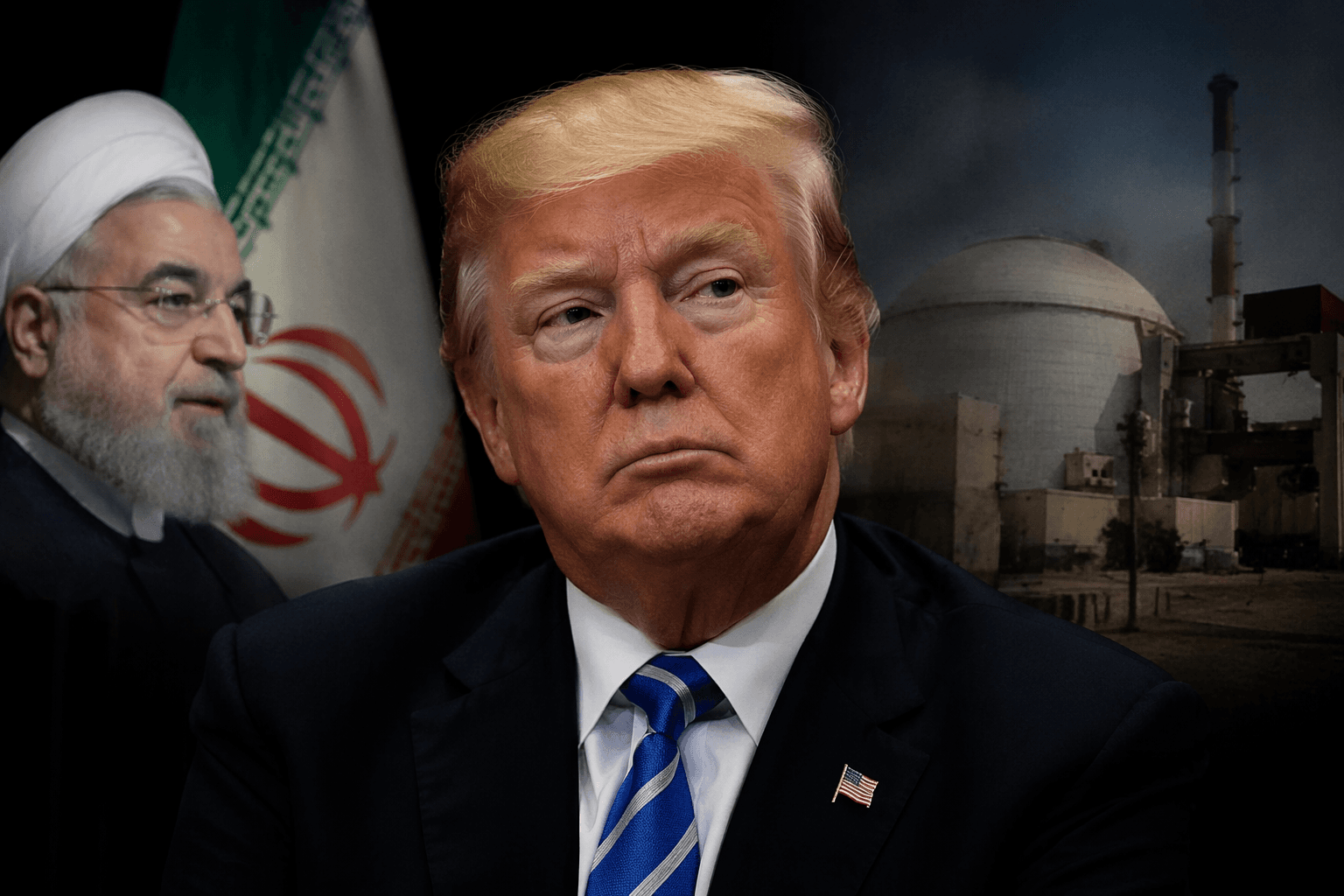
Trump’s caution reflected a broader effort to avoid declaring victory before the text exists. Officials said no agreement has been signed, and the United States has kept its blockade on Iranian ships in the strait in place until any accord is reached, certified and signed. That is the difference between a handshake and a binding deal: the broad principles may be there, but the legal language, verification terms and enforcement mechanisms still have to be locked down.
The talks also come after a year of failed diplomacy and conflict. A sixth round of U.S.-Iran negotiations had been scheduled after the June 2025 Israel-Iran war, but it was canceled. In September 2025, Iran’s supreme leader, Ayatollah Ali Khamenei, rejected direct nuclear negotiations with the United States.
If the current talks do produce a formal agreement on Iran’s nuclear program, current U.S. law would require the administration to submit the accord for congressional review. Until then, the result remains a framework under pressure, not an enforceable deal.
Know something we missed? Have a correction or additional information?
Submit a Tip