Decision looms over Scotland's smallest secondary school as pupil numbers fall
Dalry Secondary is due to have only eight pupils by August as Dumfries and Galloway Council weighs mothballing Scotland’s smallest secondary school.

By August, Dalry Secondary is due to have just eight pupils. In Dumfries and Galloway, that has sharpened a row over whether a tiny rural secondary can still deliver equal access to education, or whether closure would force children onto longer journeys, narrower subject options and less pastoral support.
Education bosses recommended mothballing the school in February 2024 after falling rolls left it with 21 pupils out of a possible 248 places, an occupancy rate of about 8 per cent. A public meeting on the proposal was held at the Glenkens campus, and the issue went before local political scrutiny as councillors prepared to weigh the recommendation.
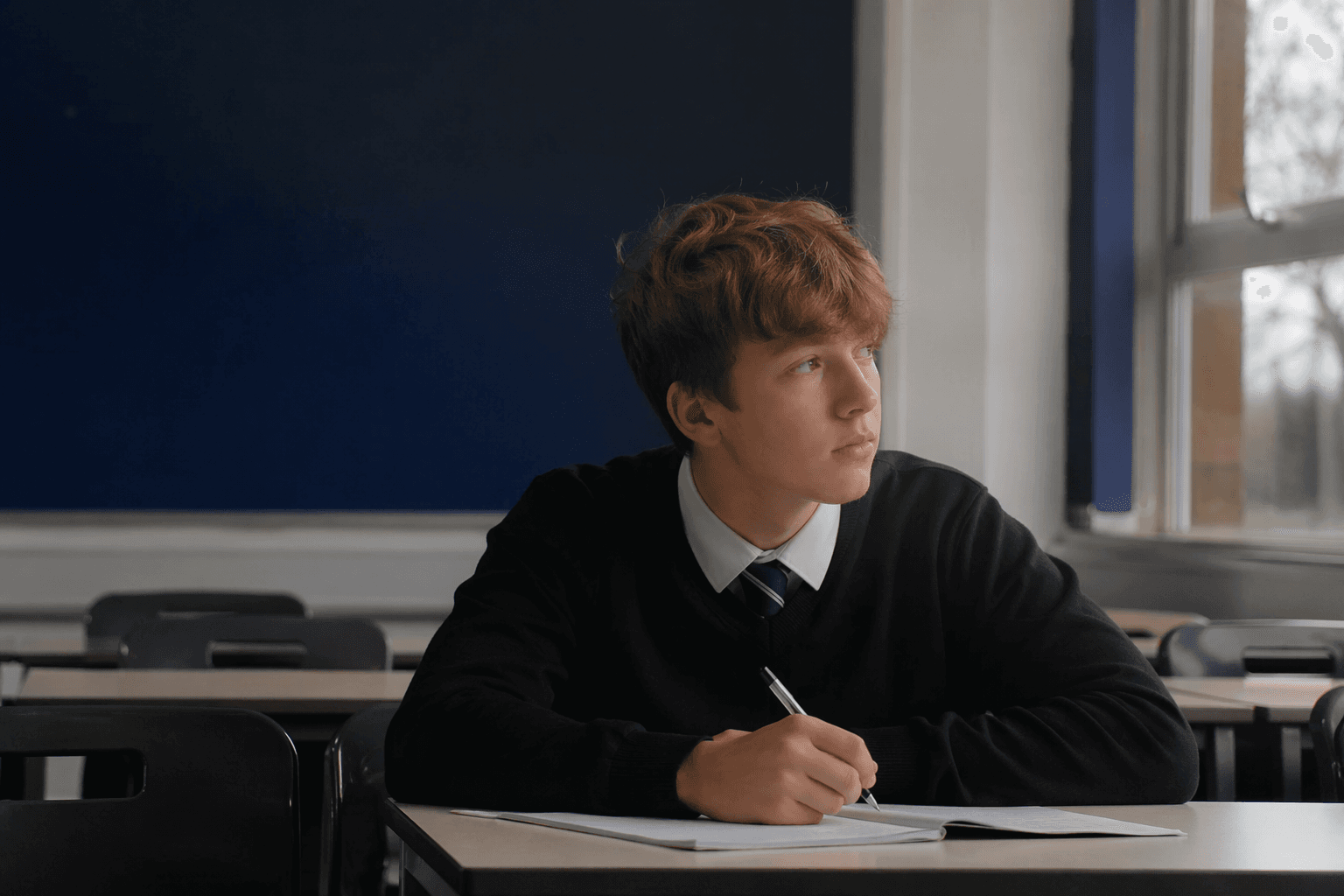
Parents and community supporters pushed back hard, arguing that the school was being gradually run down rather than properly supported. Learning for enrolled pupils was due to move to Castle Douglas High School from June 2024, before the mothballing plan was later halted and secondary classes were expected to continue after the summer holidays. Parents were hopeful the school could remain open even as the roll fell to 18, with community representatives backing them in efforts to resolve the situation for fourth-year pupils.
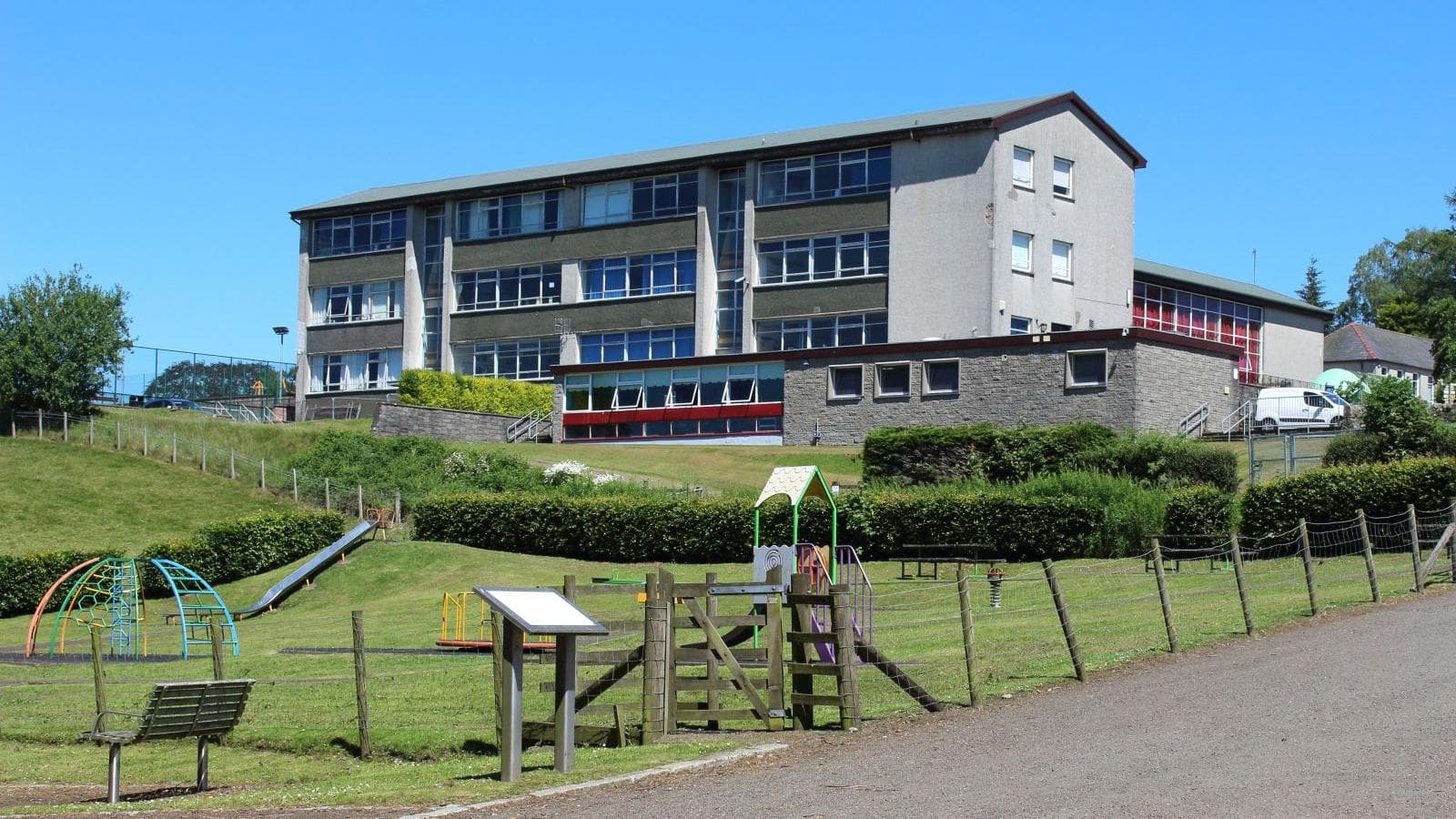
The debate has also turned on cost. Dalry Secondary, which caters for pupils from S1 to S4, cost £816,000 a year, a figure parents challenged. The parent council said the school’s cost per pupil had been overstated, pointing out that the annual figure was the lowest of the 10 high schools in the region.
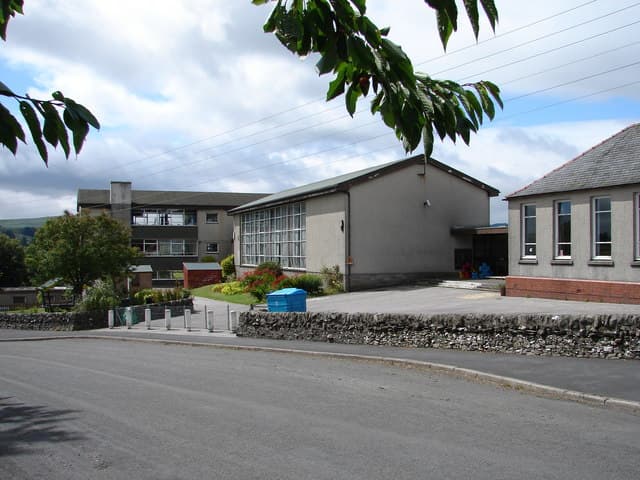

A 2024 ranking put Dalry Secondary on 13 pupils, making it the smallest secondary school in the country at that point, ahead of Stronsay Secondary on 14 and Sanday Secondary on 24. At the other end of the scale, Holyrood Secondary in Glasgow had 2,284 pupils.
This article was produced by Prism’s automated news system from verified source data, official records, and press releases, then run through automated quality and moderation checks before publishing. The system is built and supervised by the people who set the standards it runs under. Read our full AI policy.
Did this article answer your question?