Deep-sea mining threatens 62% of hydrothermal vent mollusks, IUCN warns
Deep-sea mining now puts 125 hydrothermal vent mollusk species at risk, as regulators prepare to debate ocean-floor rules in Kingston.
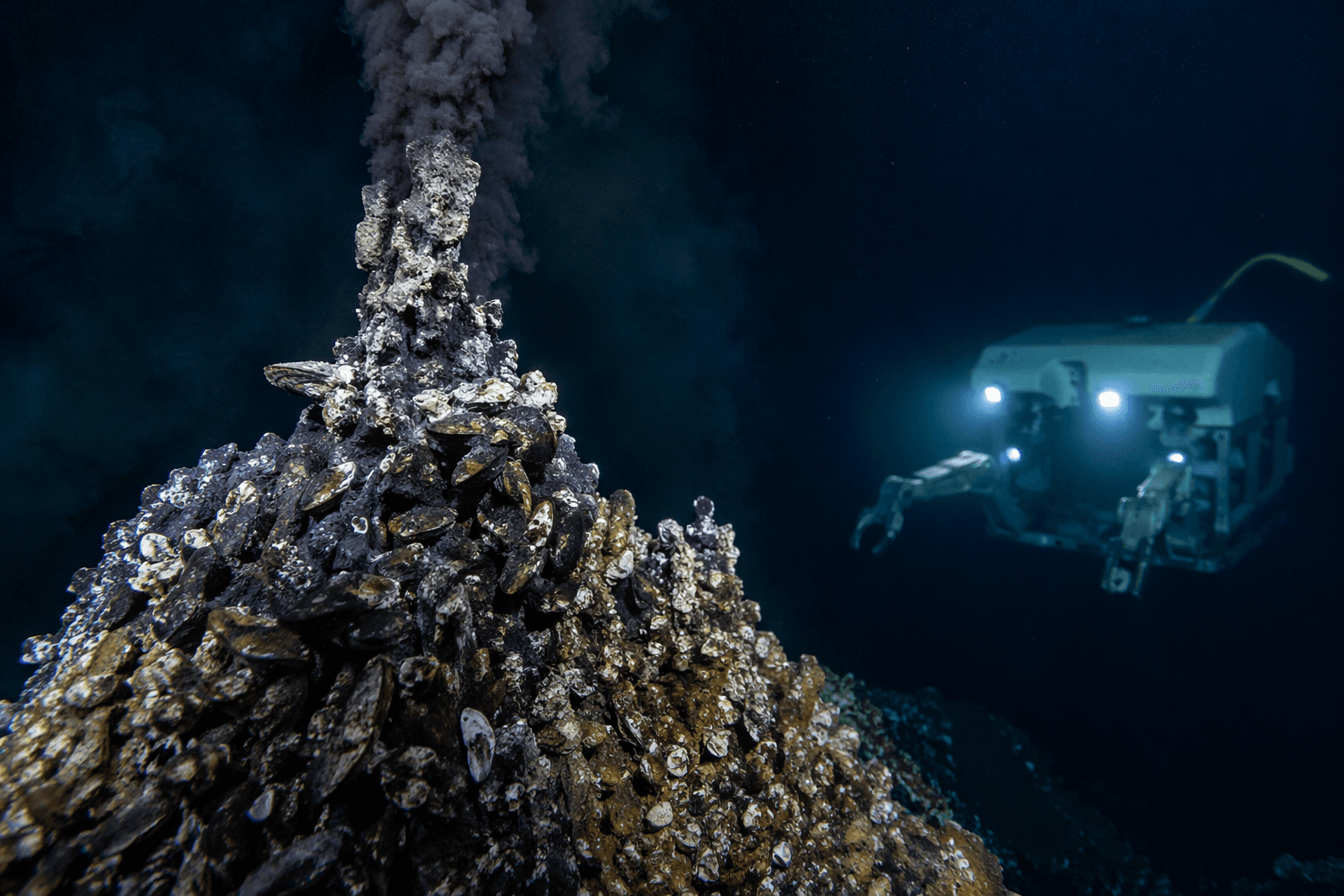
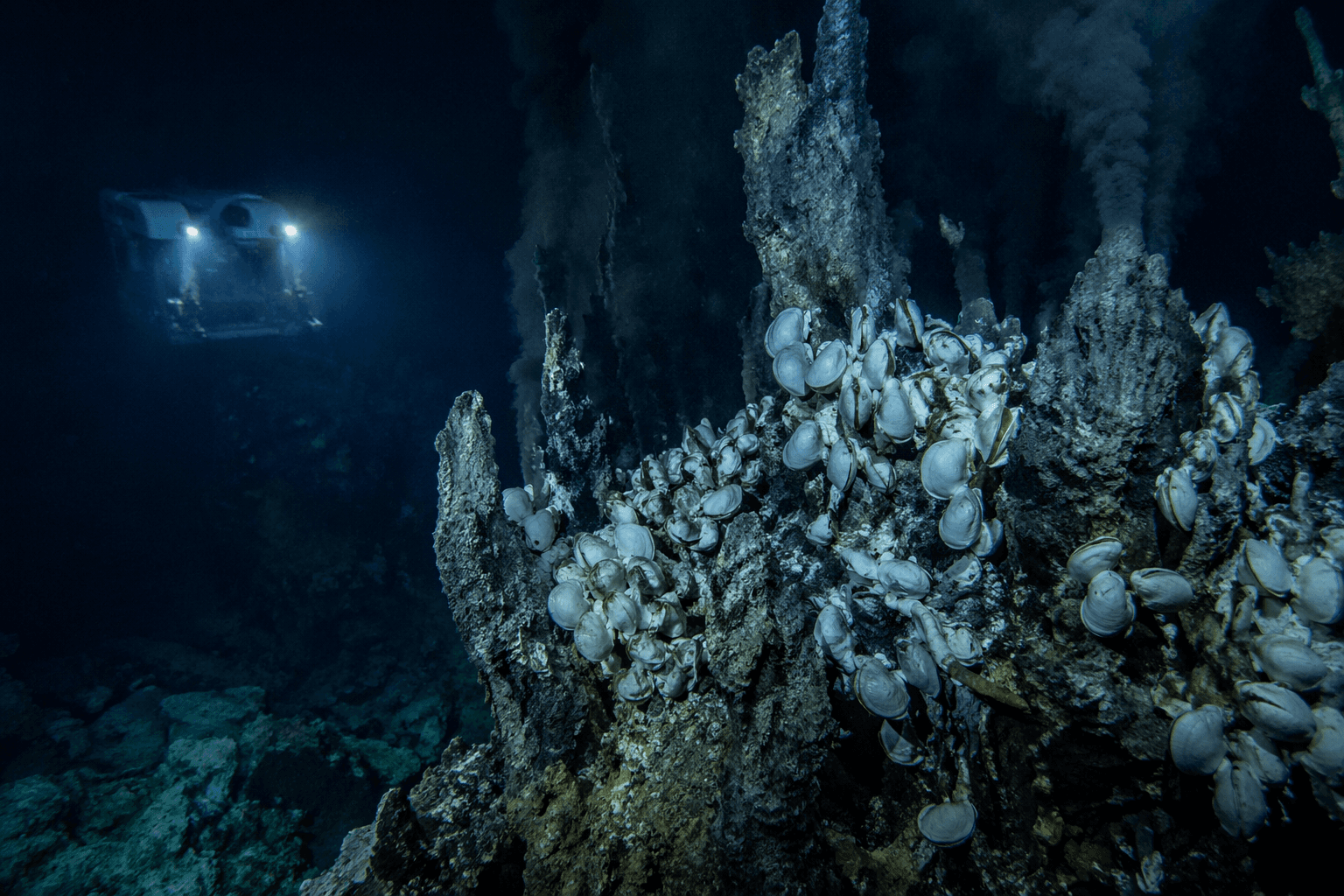
Deep-sea mining now threatens 62% of endemic hydrothermal vent mollusks, or 125 of 201 known species, in the International Union for Conservation of Nature's Wednesday Red List update. Those species live around hydrothermal vents, where snails and other mollusks have adapted to extreme heat, pressure and chemical conditions on the deep ocean floor.
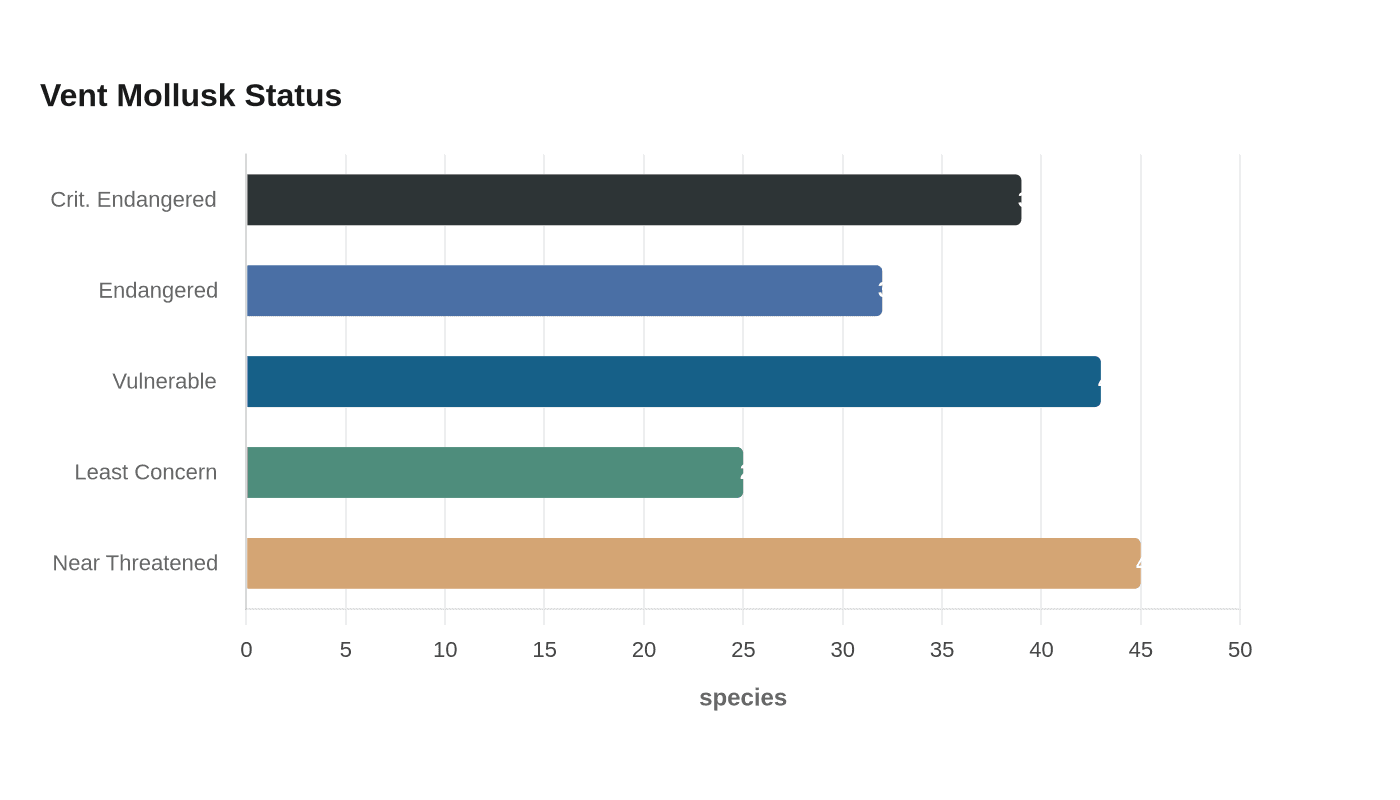
The update builds on a global assessment published in 2021 that assessed 184 described species. That earlier study listed 39 species as Critically Endangered, 32 as Endangered and 43 as Vulnerable. 25 species fully shielded from deep-sea mining by local conservation measures were assessed as Least Concern, while another 45 were classed as Near Threatened, with some subpopulations exposed to mining and others inside protected areas. Vent fields in the Indian Ocean were singled out as especially imperiled.
The latest update comes just before the International Seabed Authority’s 31st session, Part II, which is scheduled for July 13 to 31 in Kingston, Jamaica, at the Jamaica Conference Centre. Member states are expected to debate rules for commercial mining on the ocean floor, a process that has split governments between those pushing for a moratorium and those seeking regulations that would allow the industry to move forward. The Trump administration has accelerated permitting for U.S. companies seeking minerals in international waters, adding to the pressure around the talks.
Established in 1964, the Red List remains the world’s most comprehensive source on conservation status and a key indicator of biodiversity health. Julia Sigwart, who helped coordinate the assessments for the IUCN SSC Mollusc Specialist Group, called the finding evidence that vent mollusks are among the most highly threatened animal groups. Chong Chen warned that deep-sea mining would smother the ecosystem and could wipe out biological solutions to future problems in medicine, materials and technology before scientists even discover them.
Hydrothermal vents are rare, isolated ecosystems, and once mining removes or buries them, the loss can reach beyond one site or one species.
This article was produced by Prism’s automated news system from verified source data, official records, and press releases, then run through automated quality and moderation checks before publishing. The system is built and supervised by the people who set the standards it runs under. Read our full AI policy.
Did this article answer your question?