Defectors say K-pop is breaking through North Korea's isolation
Yu Hyuk went from begging in North Hamgyong to training for K-pop in Seoul, as Pyongyang cracks down on foreign films, slang and wedding dresses.
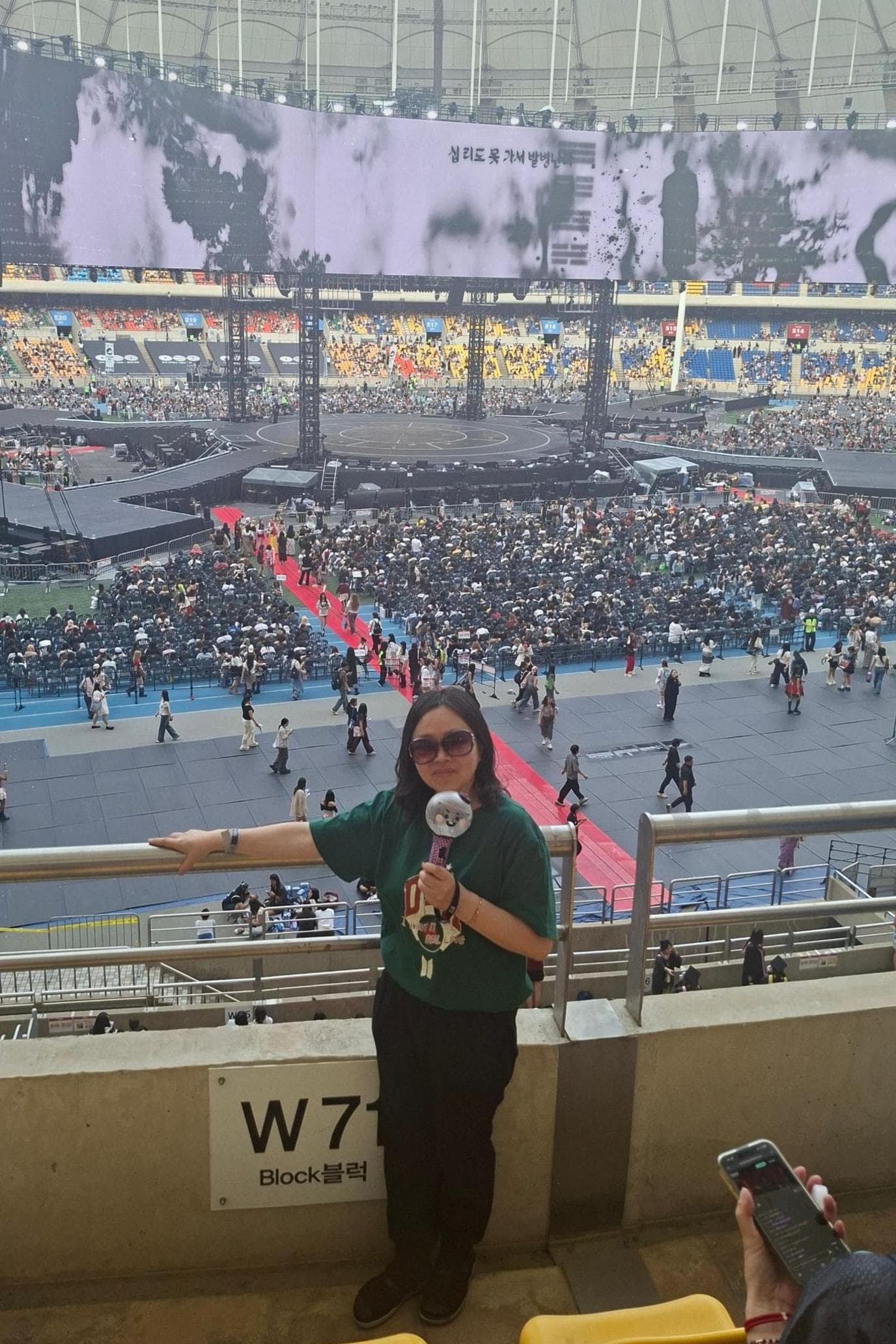
North Korea introduced a sweeping law in 2021 that punishes possession of foreign films, clothing and even slang. The clampdown has not sealed the country off completely, and defectors say K-pop has still broken through, exposing cracks in a system built to control identity and loyalty.
Yu Hyuk was just nine years old when he started begging on the streets of North Hamgyong, one of North Korea’s poorest provinces near the borders with China and Russia. His path from survival in the north to training to become a K-pop performer in South Korea shows how outside culture can cross even the most restrictive political border. A new generation of defectors is now moving from escape to stardom, including members of 1VERSE, a K-pop boy band that includes North Korean defectors chasing the same stage.
The regime has responded by widening its campaign against cultural leakage. North Korean authorities have cracked down on wedding dresses and slang as part of a broader assault on foreign influence, treating clothes, language and entertainment as political threats. The message from Pyongyang is clear: even a hairstyle, a phrase or a song can be read as disloyalty in a country where information is tightly controlled and personal expression is policed.
That fear has not slowed the movement of people out of the country, but it has changed it. Thousands of North Koreans have fled to South Korea over the past two decades, yet the number of defectors has been steadily dropping in recent years as authorities tighten their grip. For many who try to leave, the journey does not end at the border. Those in China face the threat of forced repatriation, and detention and punishment remain part of the risk for escapees and would-be defectors.
South Korea has long answered with its own information campaign, using loudspeakers and broadcasts across the border in the Demilitarised Zone. K-pop and other popular culture have become part of that psychological struggle, turning music into more than entertainment and making it a contest over who gets to shape the lives of North Koreans on both sides of the border.
This article was produced by Prism’s automated news system from verified source data, official records, and press releases, then run through automated quality and moderation checks before publishing. The system is built and supervised by the people who set the standards it runs under. Read our full AI policy.
Did this article answer your question?