X, major music labels end dispute over music licensing
X settled a licensing fight with Universal Music Group, Sony Music and other publishers, easing a legal cloud over how songs and clips travel across the platform.
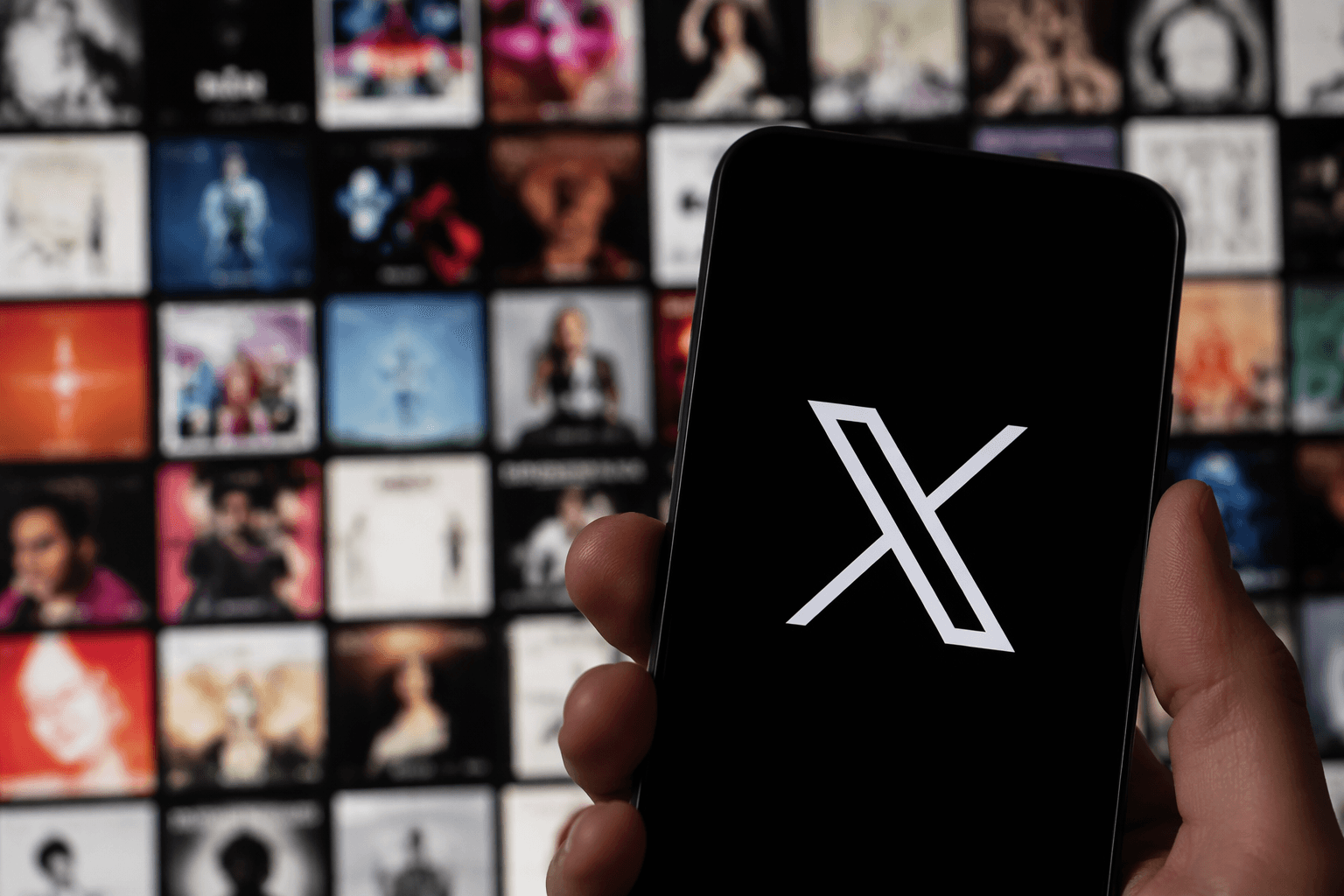
X and a group of major music publishers including Universal Music Group and Sony Music ended their legal dispute over the use of music on the social-media platform, closing a fight that had raised questions about how copyrighted songs circulate across user posts and videos.
The companies did not disclose the settlement terms, leaving open whether X agreed to pay licensing fees, adjust permissions for user-uploaded music, or change how it handles copyrighted clips. Even without those details, the deal points to a practical concession: large platforms increasingly need negotiated access to music catalogs if they want users to keep posting videos, remixes and other audio-driven content without constant legal exposure.
That matters because music licensing disputes shape more than back-end legal costs. They affect how users create, share and monetize content, and they determine whether creators can rely on popular tracks without running into copyright claims or takedowns. For X, ending the case reduces one source of uncertainty as Elon Musk pushes the company beyond text posts and into a broader digital services business that includes media and payments.

Universal Music Group and Sony Music bring outsized leverage to any licensing fight because their catalogs sit at the center of mainstream recorded music. When companies of that size press a platform, the dispute is not just about one app’s policy. It becomes a test of how much control platforms keep over user-uploaded content and how much power rights holders retain over the music that makes that content shareable and profitable.
The settlement also fits a wider pattern across social media and short-form video, where copyright friction has become a recurring operating cost. Platforms that host videos, live streams and music-heavy posts are being pushed toward the role of licensed distributors, with clearer rules, broader permissions and more formal bargaining with labels and publishers. For creators, that can mean fewer interruptions and a lower risk of infringement disputes. For labels, it can mean more reliable control over their catalogs and a clearer path to royalty revenue.
This article was produced by Prism’s automated news system from verified source data, official records, and press releases, then run through automated quality and moderation checks before publishing. The system is built and supervised by the people who set the standards it runs under. Read our full AI policy.
Did this article answer your question?