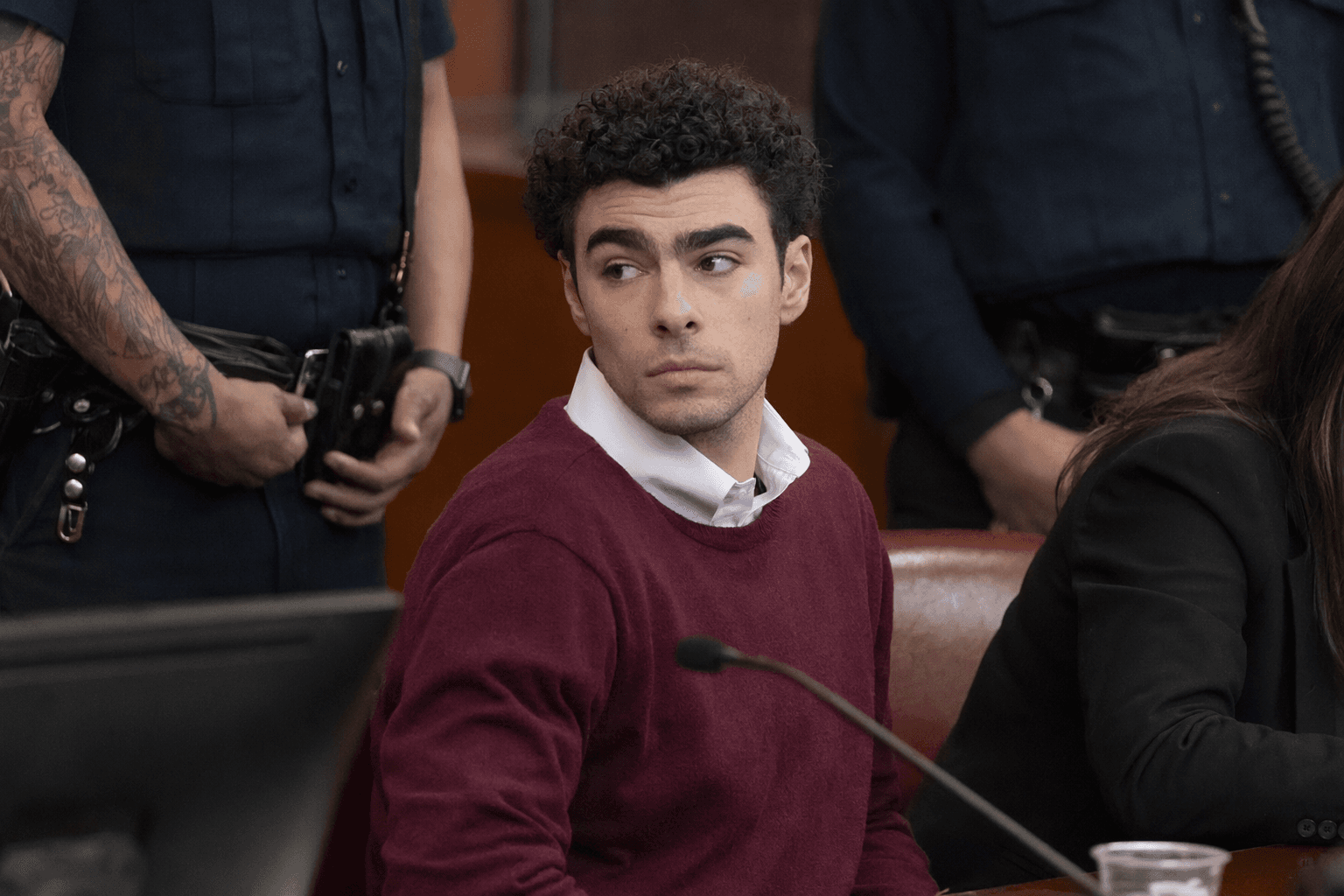
Defendant says Iran pressured him in alleged plot to kill Trump
Asif Merchant testified in Brooklyn that Iran’s Islamic Revolutionary Guard Corps coerced him; prosecutors say undercover FBI work and recordings thwarted an assassination scheme.
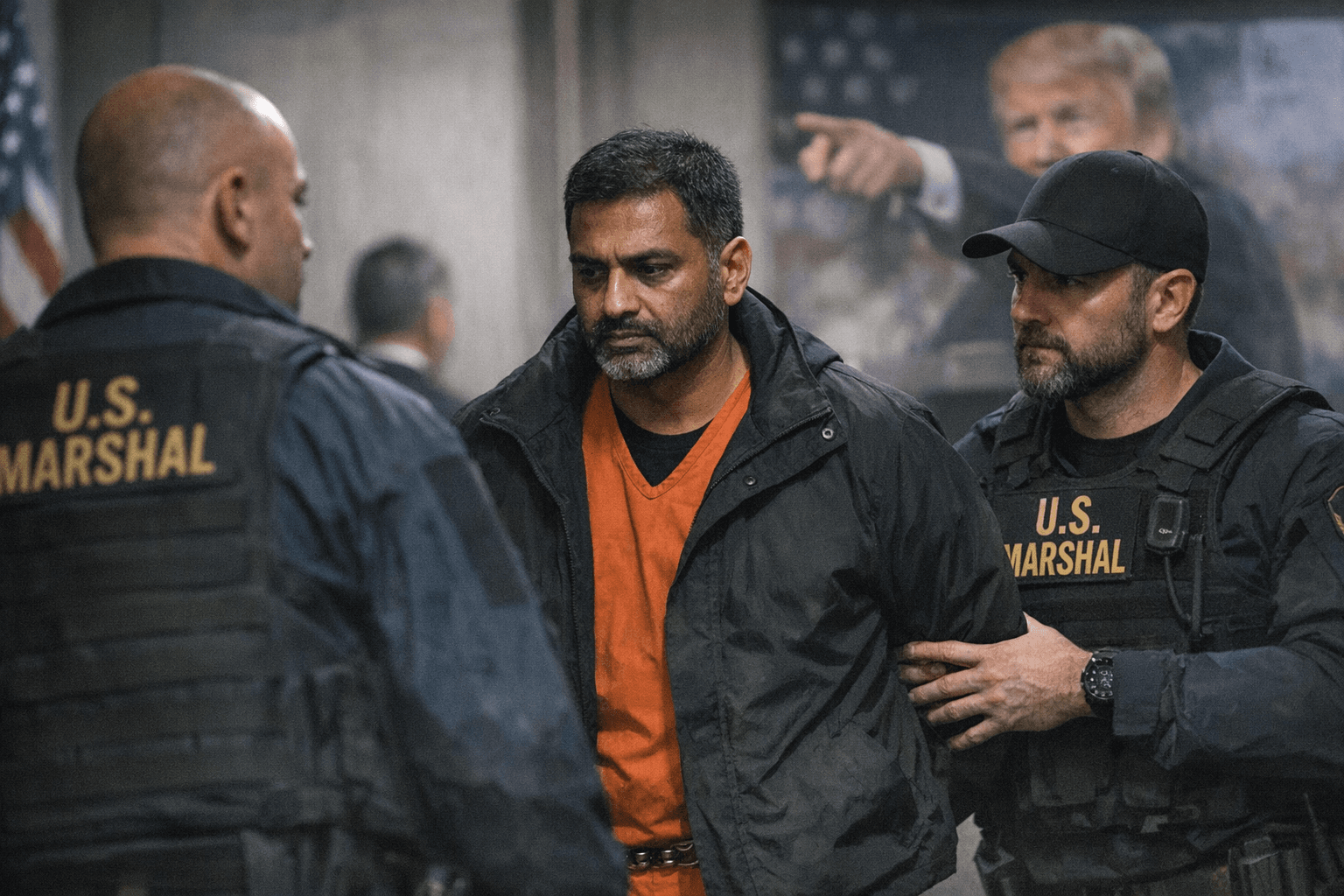
Asif Merchant, a 47-year-old Pakistani national on trial in federal court in Brooklyn, told jurors that Iran’s Islamic Revolutionary Guard Corps coerced him into participating in an alleged plot to hire hit men to kill Donald J. Trump and other U.S. political figures. Prosecutors say Merchant tried to recruit attackers, offered cash and described staging a diversion near campaign events; he has pleaded not guilty and faces a potential life sentence if convicted.
Merchant testified that he feared Iranian security forces would harm his wife and adopted daughter in Tehran if he did not comply. “I was not wanting to do this so willingly,” he told the court in Urdu through a translator, according to court reporting. The defense framed his participation as compelled by threats from operatives linked to Tehran; prosecutors described a planned recruitment and payment scheme and presented surveillance and undercover recordings in court.
The government says the plot was unravelled after a Pakistani-American acquaintance, a former U.S. Army linguist, grew suspicious and alerted authorities. The FBI then arranged secretly recorded undercover meetings that Merchant attended, prosecutors say. The recordings and surveillance footage shown in court include a June 2024 meeting in a Queens motel where Merchant met two men he believed were hired assassins and video in which an operative allegedly placed a vape pen on a napkin to indicate a target and asked, “This is the target. How will it die?” Prosecutors also say Merchant tried to hire two men for an upfront payment of $5,000.
Officials disclosed that criminal charges tied to an alleged Iranian assassination effort were unsealed in November 2024. The case sits against a broader security backdrop: U.S. authorities have linked some Iran-directed plots to revenge for the 2020 U.S. drone strike that killed Maj. Gen. Qassem Soleimani, and Pentagon officials have said U.S. strikes have killed leaders of covert units blamed for plotting against American officials. Defense Secretary Pete Hegseth said a leader of an Iranian covert unit that planned to assassinate Mr. Trump was killed in a strike and declared, “Iran tried to kill President Trump and President Trump got the last laugh.”
Iran has denied the allegations. Foreign ministry spokesman Esmail Baghaei called the report “a plot by Israel-linked circles to make Iran-U.S. relations more complicated.” Iran’s president, Masoud Pezeshkian, told NBC News that Iran “never” plotted to assassinate Mr. Trump and described the claims as efforts to promote “Iranophobia.”
Beyond courtroom drama, the case raises questions about public safety, community trust and the strains placed on local law enforcement and federal counterterrorism resources. Plots that involve diasporic communities create particular vulnerabilities: prosecutors allege coercion tied to relatives abroad, while immigrant communities may fear engaging with authorities. High-profile threats also force resource-intensive security responses at rallies and public events, diverting funds from other community health and safety needs.
For policy-makers, the trial spotlights gaps in protections for people who claim coercion by foreign security services, as well as the need for clearer guidance to local authorities about screening and supporting potentially coerced witnesses or suspects. Public health officials say prolonged fear of political violence can compound mental health burdens for communities already facing disparities in access to care.
Court records and DOJ filings remain the primary source for full details, including exact charges, arrest circumstances and the identities of other alleged operatives. The trial will test the government’s evidence from undercover recordings against Merchant’s account that he acted under duress to protect family members in Tehran.
Know something we missed? Have a correction or additional information?
Submit a Tip