Defense startups borrow auto and drugmaking methods to speed weapons output
Startups are raiding auto chips, fracking pipes and drugmaking methods to speed missile output. The test is whether they can scale without new weak links.
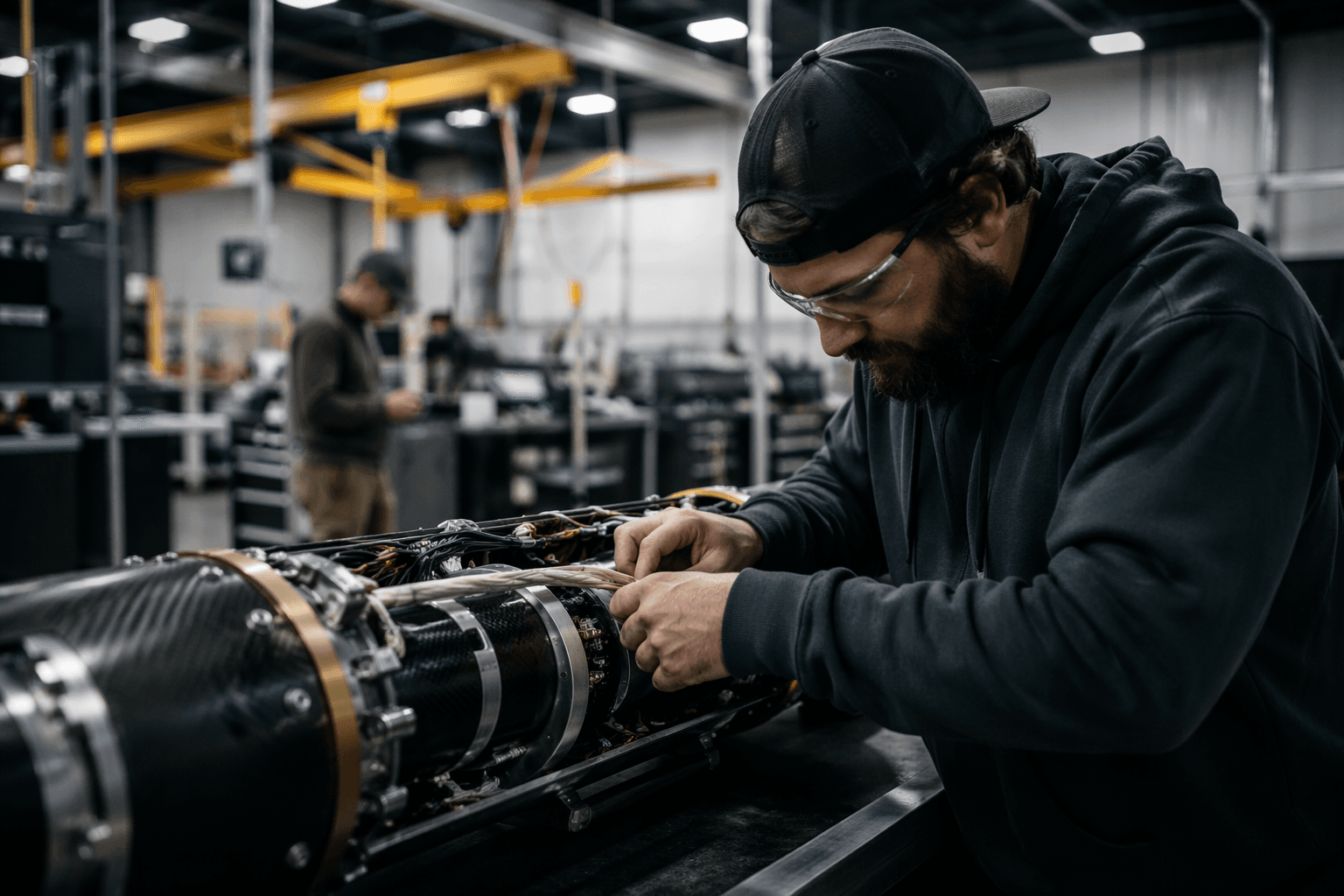
Defense startups are raiding auto chips, fracking pipes and drugmaking methods to speed missile production, betting that commercial supply chains can do what the Pentagon’s legacy base has struggled to manage: turn out more weapons faster and at lower cost. The pressure point is solid rocket motors, the propulsion units behind missiles and other munitions, where shortages are already slowing output at Lockheed Martin, Boeing and RTX.
Washington has set aside $53 billion to expand production of critical missiles and rocket systems, and the United States has burned through more than 50,000 rockets, missiles and other rocket-motor-powered projectiles since Russia invaded Ukraine in 2022. That surge in demand has made the market attractive to venture-backed firms that are borrowing industrial know-how from outside defense, from automotive electronics to pipes used in fracking, while copying production techniques more common in pharmaceuticals.
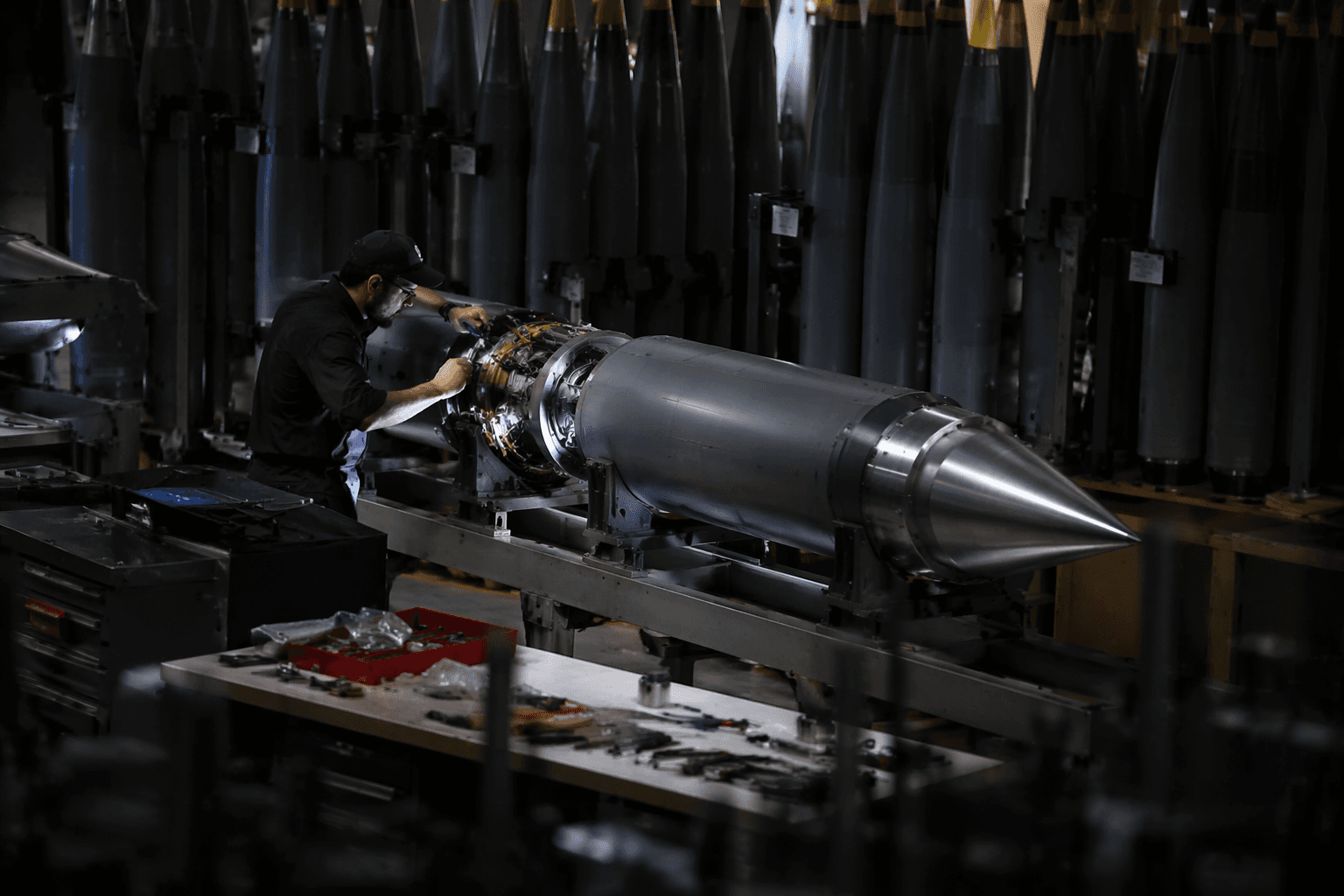
The push is colliding with a defense industrial base that remains concentrated and hard to scale. A June 12 Center for Strategic and International Studies report calls for multiyear procurement agreements, direct-to-supplier investments, alternative acquisition pathways and greater use of allies and partners to accelerate solid rocket motor output. The report links recent urgency to heavy munitions use in Operation Epic Fury, and a 2026 CSIS assessment projects rebuilding key U.S. missile inventories to prewar levels after the Iran war would take one to four years.
The Pentagon has already moved money into the market. On Sept. 26, 2025, it announced three solid rocket motor-related contracts, including a four-year, $191.3 million award to X-Bow Launch Systems. In January 2026, it agreed to a $1 billion equity investment in L3Harris Technologies’ missile-solutions business to expand solid rocket motor production.
Defense newcomers are trying to satisfy military standards while using faster, more distributed production methods borrowed from civilian factories. Certification delays, quality failures and new dependence on parts and processes imported from other industries remain.
This article was produced by Prism’s automated news system from verified source data, official records, and press releases, then run through automated quality and moderation checks before publishing. The system is built and supervised by the people who set the standards it runs under. Read our full AI policy.
Did this article answer your question?

