Stocks slip as investors await Warsh comments, Middle East tensions rise
Stocks eased as traders waited for Kevin Warsh’s comments and watched Middle East tensions, with futures softening after a strong first half for equities.
U.S. stock index futures slipped as investors entered the second half of 2026 with two questions hanging over markets: whether Middle East tensions would deepen and what Federal Reserve Chair Kevin Warsh would signal about the path of interest rates. The pullback came after a strong first half for equities, when the Dow rose 8.9%, the S&P 500 gained 9.6% and the Nasdaq climbed 12.8%.
Warsh’s remarks matter because investors are treating them as a read on how long borrowing costs may stay elevated. The Federal Reserve held its federal funds target range at 3.50% to 3.75% at its June 16-17 meeting in a 12-0 vote, and Warsh has said the central bank’s mandate is price stability and maximum employment. Any shift in tone could ripple quickly through Wall Street expectations for mortgages, credit cards and retirement portfolios that depend on the direction of rates.
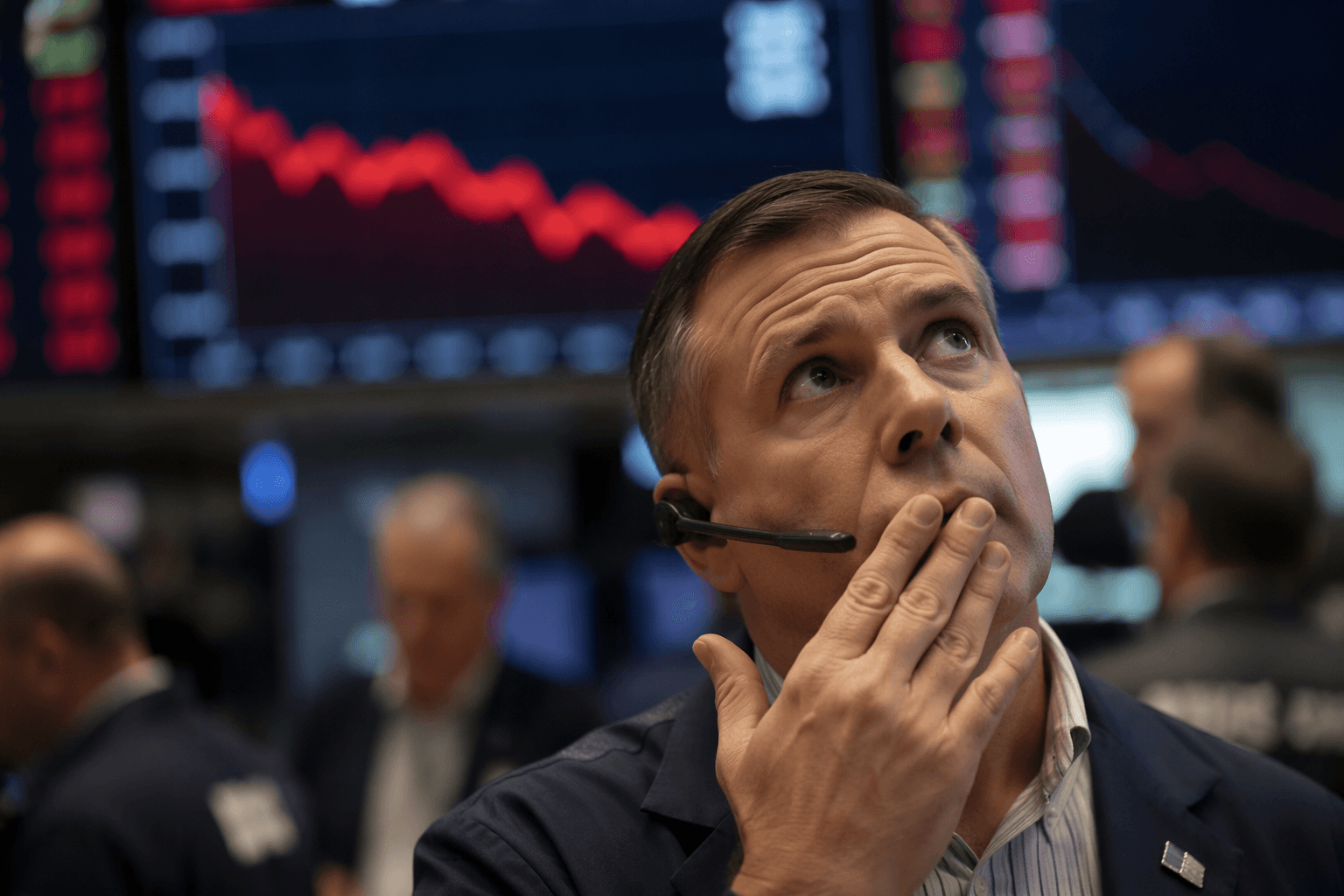
Middle East developments added another layer of caution. Tehran said it would not meet with top U.S. envoys who had flown to the region after the outbreak of hostilities, a sign that peace talks were not close to a breakthrough. That reinforced a risk-off mood in futures trading and left investors wary of how the conflict could affect energy markets, inflation and the Fed’s next moves.
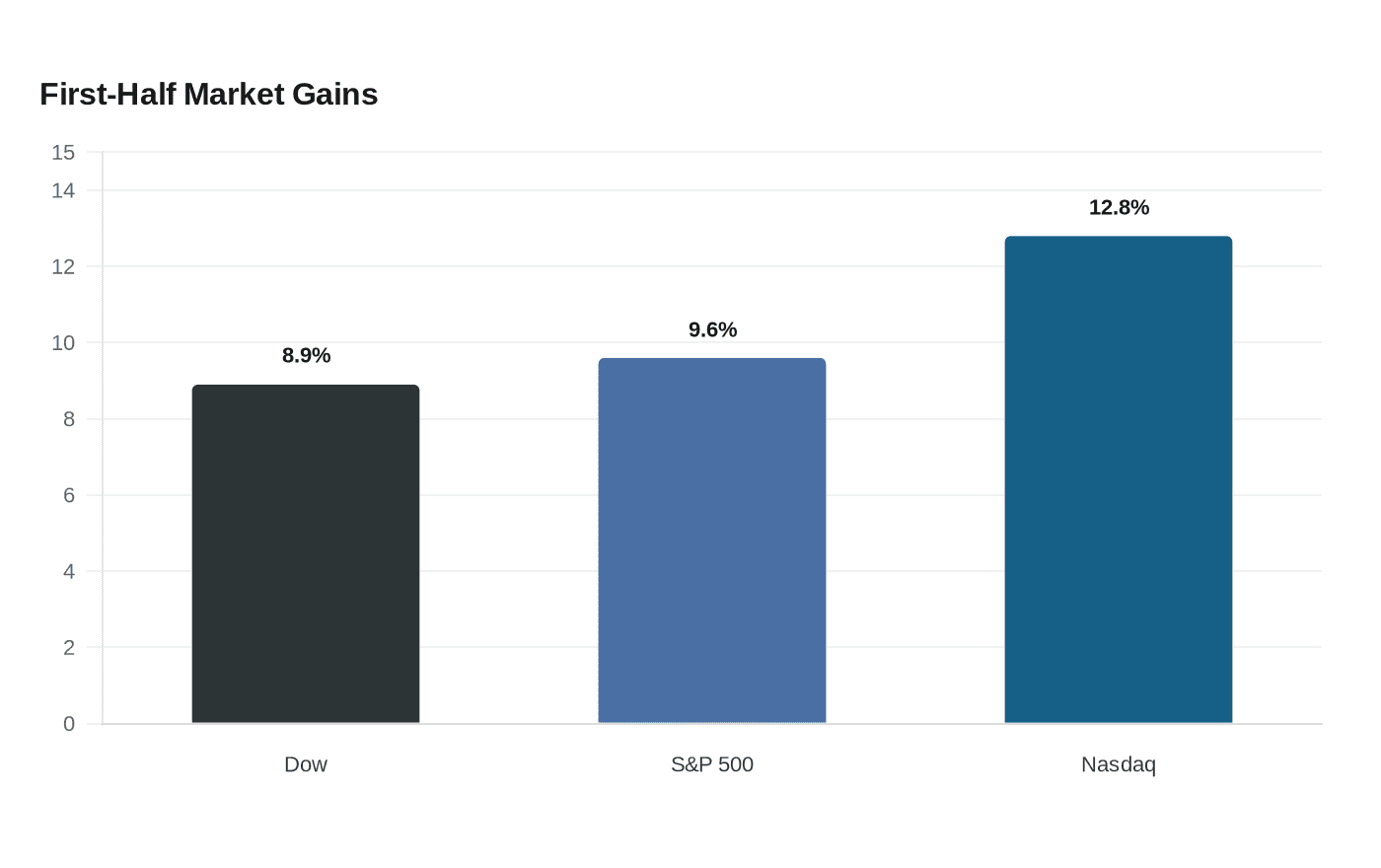
The market reaction also reflected how much of 2026’s gains had already been booked. The Dow’s first-half advance was its best since 2021, a run that left little room for complacency as investors weighed geopolitical risk against a Federal Reserve that has kept rates in a relatively tight range. When futures slip after a rally like that, traders are often bracing for a message that policy may stay restrictive longer than hoped, which can keep pressure on mortgage costs, revolving consumer debt and valuations across the market.
Warsh became Fed chair on May 22, 2026, and his early public comments are being parsed for clues about whether the central bank is leaning toward holding steady or preparing for eventual cuts. For markets that have spent much of the year rewarding lower-rate expectations, even a small change in tone can move prices before the trading day begins.
This article was produced by Prism’s automated news system from verified source data, official records, and press releases, then run through automated quality and moderation checks before publishing. The system is built and supervised by the people who set the standards it runs under. Read our full AI policy.
Did this article answer your question?