Delhi choked by toxic haze as AQI readings spike and schools shift online
New Delhi was engulfed in thick haze, halting in-person lessons and triggering emergency limits as air quality reached hazardous levels across monitors.
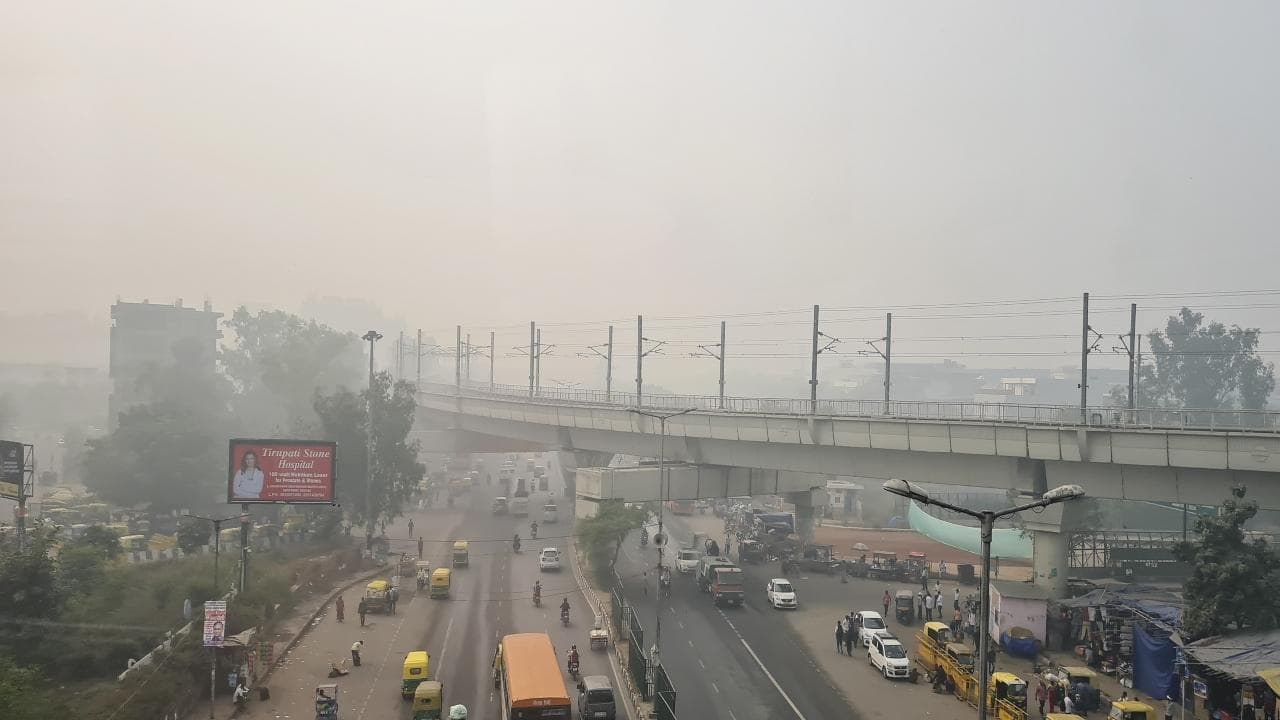
A thick, toxic haze that settled over New Delhi on Friday forced authorities to order widespread school closures and emergency restrictions as air quality measurements surged into the most dangerous categories. Independent monitors recorded extreme pollution: IQAir placed the city at an AQI of 611, classified as hazardous, while some local monitoring stations registered readings around 480 and government figures put a city average near 425 in recent measurements. These levels exceed health thresholds used by Indian regulators and dwarf World Health Organization limits for fine particulate matter.
Delhi chief minister Atishi announced on X that "Due to rising pollution levels, all primary schools in Delhi will be shifting to online classes, until further directions." Local education authorities also ordered junior schools in parts of the city to close for two days, while some suburban schools remained open. The city’s Commission for Air Quality Management elevated its graded response action plan to level IV, triggering bans on construction activity, restrictions on older diesel trucks entering the capital, and advisories for hybrid or virtual classes.
Hospitals and clinicians reported a surge in respiratory complaints. "In my last 24 hours duty, I saw babies coughing, children coming with distress and rapid breathing," said Aheed Khan, a Delhi-based doctor, in a post on X. Government filings presented to parliament show more than 200,000 cases of acute respiratory illness recorded across six state-run hospitals between 2022 and 2024, underscoring the recurrent public health toll. Top pulmonologist Gopi Chand Khilnani urged people with preexisting health problems who can afford to temporarily leave the city to do so.

Residents reported eye irritation, sore throats and dense gray skies that curtailed outdoor life. Public parks including Lodhi Garden and India Gate saw far fewer visitors, while hundreds of demonstrators at India Gate wore gas masks and carried banners reading "I miss breathing." Flights and trains experienced delays as visibility fell and transport authorities adjusted operations.
Officials and scientists point to a combination of emissions and weather factors. Agricultural stubble burning in neighbouring farm states continues to inject smoke into the region, and meteorological conditions this week, lower temperatures, still winds, high moisture and a change in wind direction, reduced dispersion of pollutants and intensified smog formation. The Commission for Air Quality Management’s move to the highest graded response reflects both the pollutant spike and the forecast of prolonged stagnant conditions.
Supply chains for protective equipment reacted swiftly; retailers said demand for air purifiers surged and service centers reported shortages of replacement filters. Public advisories emphasized that AQI readings in the 400–450 range are categorized as severe and can harm even healthy people, with greater risk to those with heart or respiratory disease.

The crisis has reignited longstanding governance tensions. India’s Supreme Court recently affirmed that clean air is a fundamental right, placing legal pressure on central and state authorities to act. Critics note that intergovernmental friction and political reluctance to alienate agricultural constituencies have hampered consistent enforcement of measures aimed at reducing seasonal pollution.
With readings fluctuating across monitors and time, officials urged residents to follow health advisories and for agencies to publish hourly data to guide responses. The episode illustrates the recurring nature of Delhi’s winter smog: acute human impacts, rapid economic disruption, and renewed questions about the effectiveness of current policy tools.
This article was produced by Prism’s automated news system from verified source data, official records, and press releases, then run through automated quality and moderation checks before publishing. The system is built and supervised by the people who set the standards it runs under. Read our full AI policy.
Did this article answer your question?

