Delhi court bars Google from bidding on Hindware trademark keywords
Delhi court barred Google from bidding on HINDWARE keywords and ordered Rs 30 lakh in damages, a ruling that could force a rethink of trademarked search ads.

A Delhi court has stopped Google from using HINDWARE and related variants as advertising keywords, a ruling that lands squarely at the center of a fast-growing fight over who can profit from branded search terms in digital ads.
Justice Mini Pushkarna of the Delhi High Court held Google liable for trademark infringement in the long-running case brought by Hindware’s predecessor, HSIL Limited, which first filed the suits in 2013-14. The court awarded Rs 30 lakh in damages and rejected Google’s claim that it was only an intermediary entitled to safe-harbour protection under India’s IT law. Grohe India Pvt. Ltd., Cera Sanitaryware and Omkara Infoweb settled during trial, leaving Google LLC and Google India Pvt. Ltd. as the remaining contesting defendants.
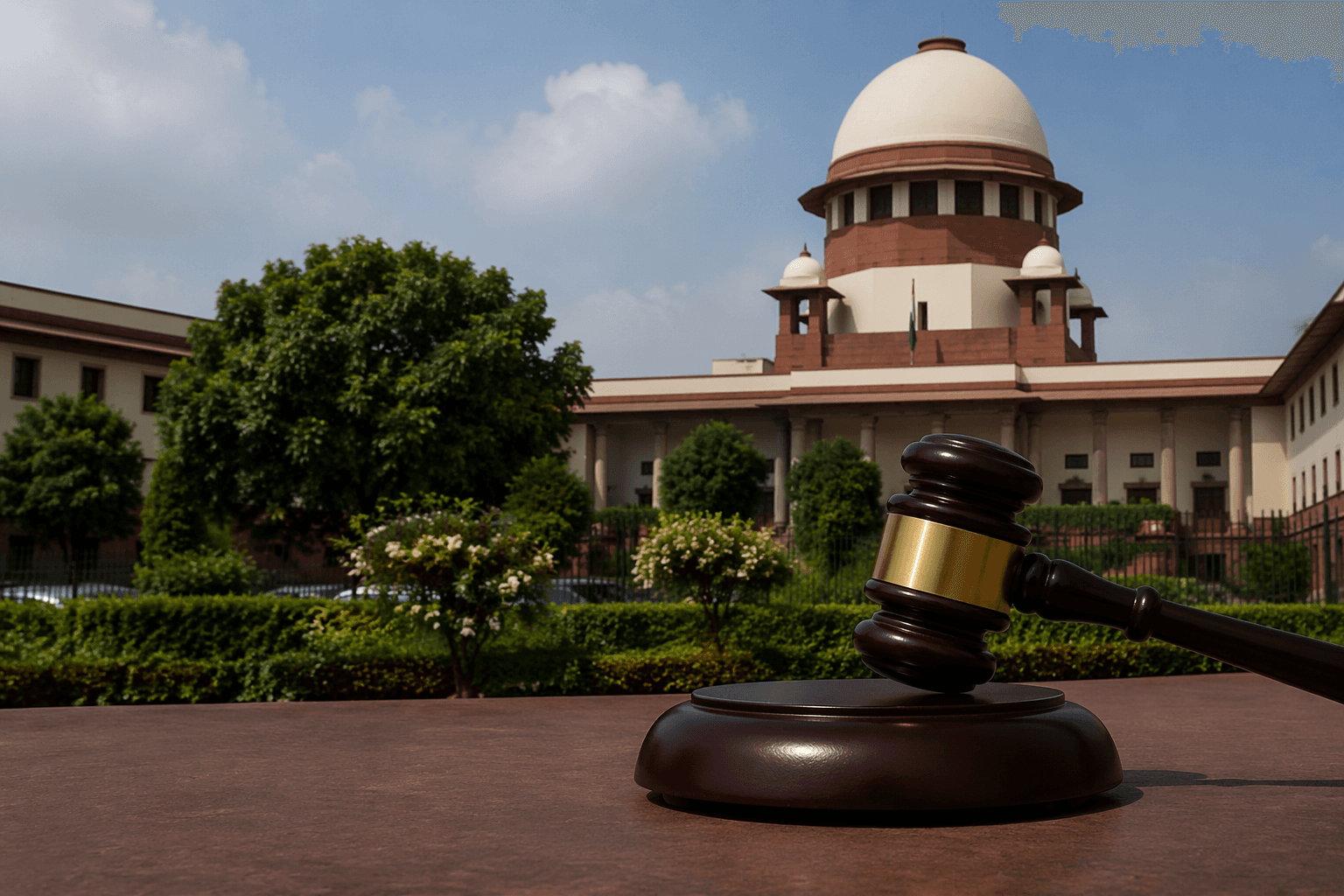
The judgment matters because it goes beyond a single bathroom fittings brand. Hindware said it had used the mark since 1991 and argued that Google’s keyword auction and keyword-suggestion systems monetized trademarked terms without the brand owner’s consent. By permanently restraining Google from bidding on HINDWARE-related keywords, the court signaled that trademark rights can reach deeper into the mechanics of search advertising, where rivals buy visibility by targeting a competitor’s name. If the reasoning spreads, advertisers could face tighter limits on bidding strategies, trademark owners could gain a sharper enforcement tool, and regulators may come under pressure to define where platform neutrality ends and active participation begins.
Indian business leaders quickly read the decision as a potential turning point. Sridhar Vembu called Google “unethical,” while Zerodha founder Nithin Kamath said the ruling opened a route for legal recourse for businesses facing competitors bidding on their brands. Shaadi.com founder Anupam Mittal said the case could change the economics of online advertising for millions of businesses. Reuters reported that Indian businesses said the ruling could reshape the online ads market, where brands often spend to defend their own names against rivals.
The timing also gives the ruling added weight. A Delhi High Court division bench had held in 2023 that trademark use as keywords did not automatically amount to infringement, and the Supreme Court dismissed MakeMyTrip’s plea in March 2024 in a dispute involving competitor keyword bidding on Google Ads. Against that backdrop, the May 22 decision marks a notable shift in favor of trademark owners and a warning to platforms built on keyword auctions.
This article was produced by Prism’s automated news system from verified source data, official records, and press releases, then run through automated quality and moderation checks before publishing. The system is built and supervised by the people who set the standards it runs under. Read our full AI policy.
Did this article answer your question?
%3Amax_bytes(150000)%3Astrip_icc()%2FCertificate-of-deposit-2301f2164ceb4e91b100cb92aa6f868a.jpg&w=1920&q=75)