Delta Force Soldier Courtney Williams Charged With Leaking Classified Info to Reporter
A federal grand jury indicted Delta Force support technician Courtney Williams under the Espionage Act, charging her with leaking classified unit tactics to journalist Seth Harp.
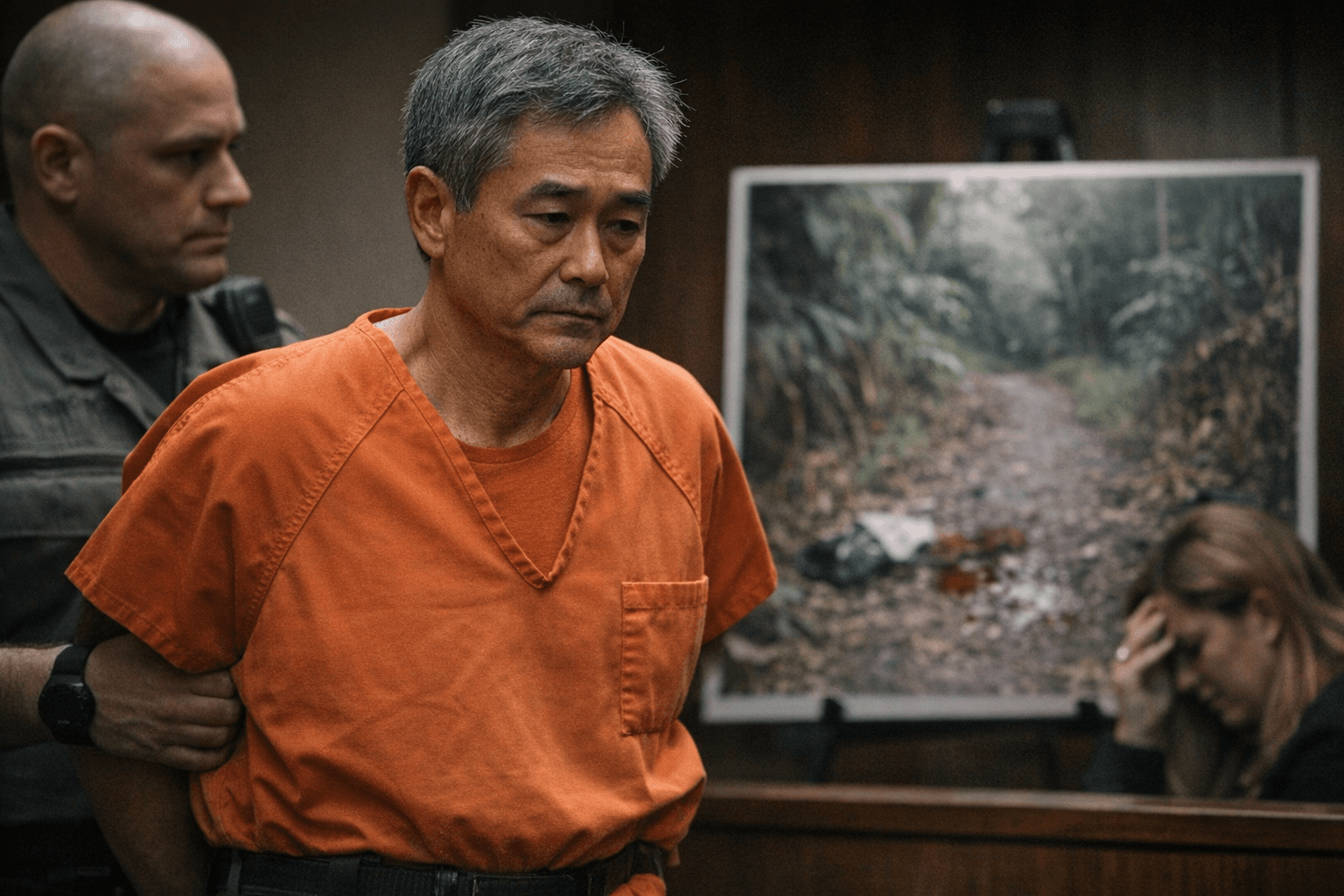
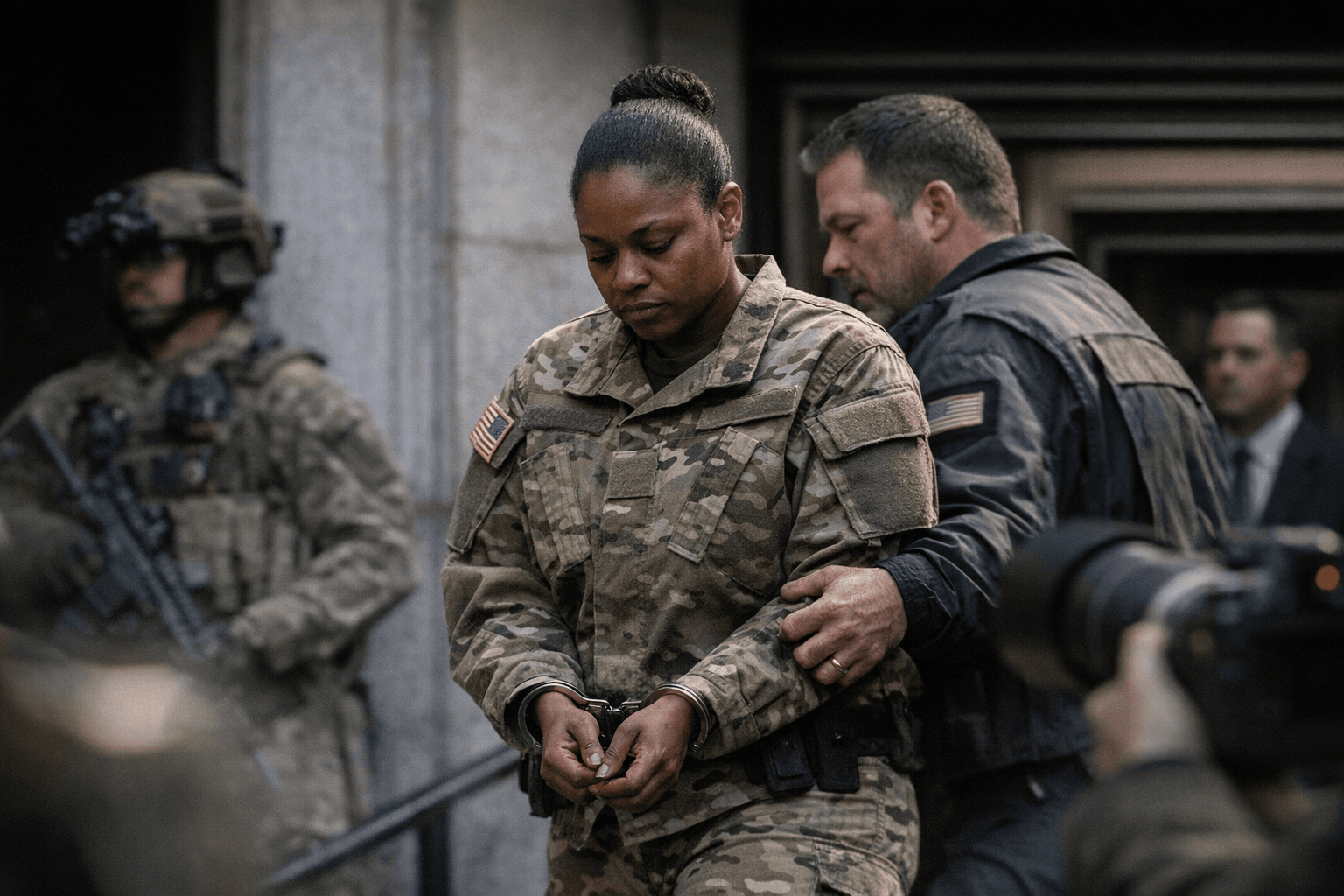
A federal grand jury indicted Courtney Williams, 40, of Wagram, North Carolina, on a charge of willful transmission of national defense information, a violation of the Espionage Act, after prosecutors alleged she passed top-secret details about Delta Force operations to journalist Seth Harp between 2022 and 2024. The FBI arrested Williams on Tuesday, April 7; the indictment was unsealed the following day in Raleigh federal court, where a magistrate judge ordered her held by the U.S. Marshals Service pending hearings set for early next week.
According to an FBI affidavit attached to the complaint, written by Special Agent Jocelyn Fox, Williams was cleared as a defense contractor in April 2010 and became a Department of Defense employee in November 2010. She performed duties within the special military unit as an operational support technician responsible for "Tactics, Techniques and Procedures" used in preparation for and during "sensitive missions." She held a top secret clearance throughout that period.
During her communications with Harp, Williams and the journalist had over 10 hours of telephone calls and exchanged more than 180 messages. In one such message, Harp identified himself as a journalist and stated that he sought information about the unit in support of an upcoming article and book. That book, "The Fort Bragg Cartel: drug trafficking and murder in the Special Forces," was released in August 2025. A companion Politico article carried the headline: "My Life Became a Living Hell: One Woman's Career in Delta Force, the Army's Most Elite Unit." Both named Williams as a source and attributed statements to her that prosecutors say contained classified national defense information.
The classification at issue goes to the operational core of a special mission unit: the court documents center on TTPs, the granular tactical playbooks that govern how Delta Force plans and executes sensitive missions. Prosecutors contend that exposing such material to an unauthorized journalist endangered not just operational security but the lives of U.S. service members and allied forces. Assistant Director Roman Rozhavsky of the FBI's Counterintelligence and Espionage Division warned that "if you jeopardize our national security by disclosing classified information without authorization, the FBI will hold you accountable for your crimes."
The government's own evidence suggests Williams understood the legal exposure she was accepting. Williams wrote that she "might get arrested...for disclosing classified information" in messages with her mother, citing a statutory provision of the Espionage Act. "I might actually get arrested, and I don't even get a free copy of the book," Williams is alleged to have told her mother. In a separate exchange, Williams stated that she was "concerned about the amount of classified information being disclosed." When asked how she knew she might face legal consequences, Williams said "I have known my entire career," adding that "they tell you everyday...100 times a day."
Harp pushed back forcefully. In a statement, Harp called Williams "a brave whistleblower and truth-teller," arguing that "the government is going after Courtney for the sole reason that she exposed sexual harassment and gender discrimination in the unit. This is a vindictive act of retaliation, plain and simple." Williams had alleged being sexually harassed and belittled by the men in her unit, including its commander, subsequently filed grievances with the Army Special Operations Command inspector general and a discrimination claim with the Equal Employment Opportunity Commission, which resulted in retaliation and eventually her security clearance being stripped.
That collision of narratives is precisely what makes the case a fault line for the press. The Espionage Act, enacted in 1917, carries no formal exception for whistleblowing, and its "national defense information" standard does not require prosecutors to prove the disclosures harmed national security, only that they were willful and unauthorized. For reporters working sources inside special operations, the indictment is a stark signal: a source's motive, however sympathetic, does not immunize the journalist-source relationship from federal prosecution. FBI Director Kash Patel used the arrest to deliver a direct warning, writing that "this FBI will not tolerate those who seek to betray our country and put Americans in harm's way," and pointedly noted that investigators are working multiple such cases.
Williams worked at Fort Bragg from 2010 to 2016 as an operational support specialist. The FBI Charlotte Field Office led the investigation. If convicted, Williams faces a federal prison term whose length will be determined at sentencing.
Sources:
Know something we missed? Have a correction or additional information?
Submit a Tip