Delta Force Soldier Courtney Williams Charged With Leaking Classified Info to Reporter
A former Delta Force civilian employee faces Espionage Act charges for allegedly sharing classified unit tactics with a journalist whose 2025 book spotlighted gender discrimination at Fort Bragg.

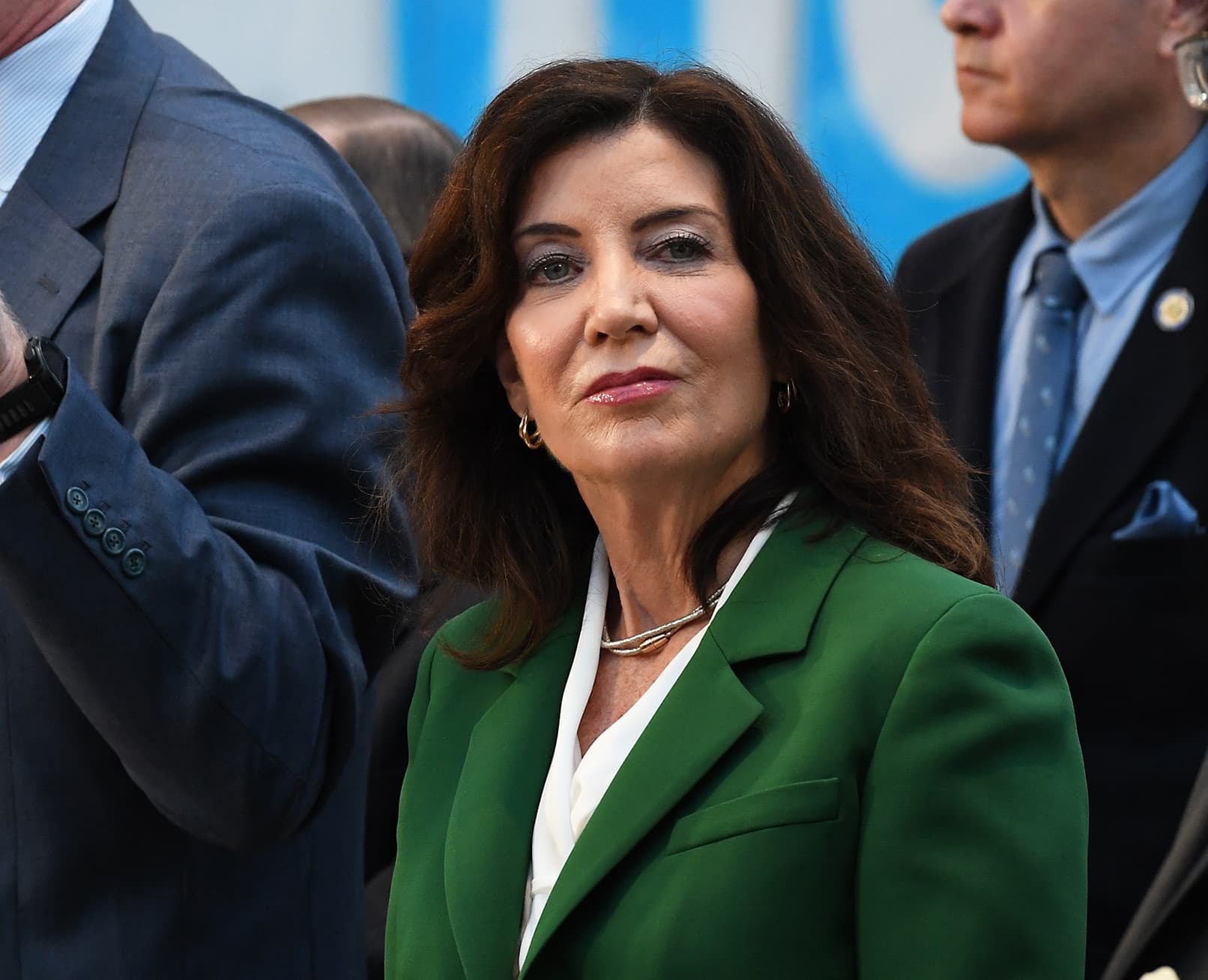
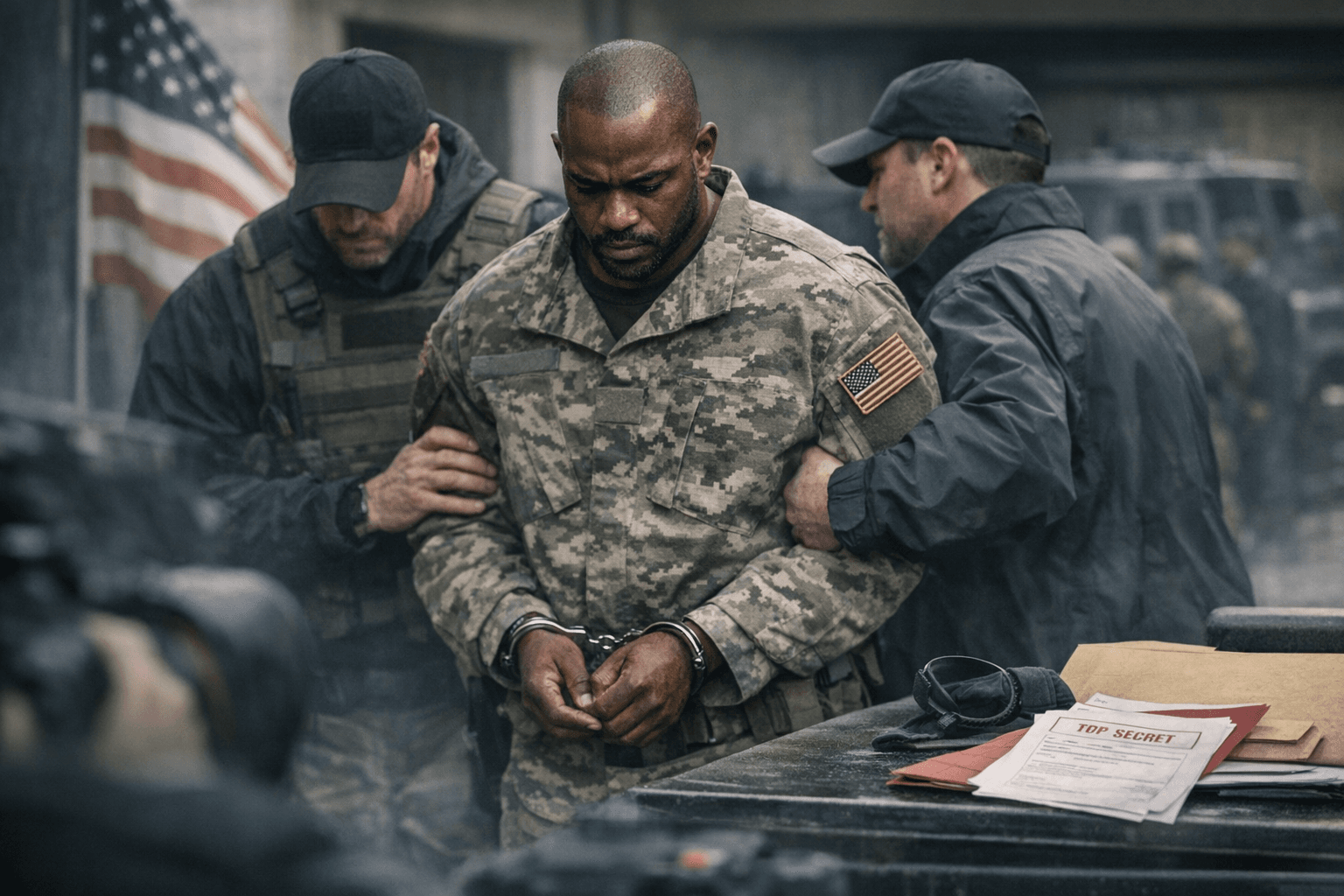
Courtney Williams, 40, of Wagram, North Carolina, was arrested Tuesday and indicted the following day by a federal grand jury on a single count of willful transmission of national defense information, a felony under 18 U.S.C. § 793(d), the Espionage Act. The charge carries a maximum sentence of 10 years in federal prison.
Williams worked with a Special Military Unit from 2010 to 2016, first as a defense contractor and later as a civilian employee. She served in the unit's Mission Support Troop and held a Top Secret/Sensitive Compartmented Information clearance, which prosecutors say gave her daily access to classified operations, tactics, techniques and procedures, as well as the true identities of unit members. Though court filings refer only to a "special military unit," dates and details match an article and book about the Army's secretive Delta Force written by Seth Harp.
According to an FBI affidavit attached to the complaint, Williams was cleared as a defense contractor in April 2010 and became a Department of Defense employee in November 2010. She performed duties within the special military unit as an operational support technician responsible for "Tactics, Techniques and Procedures" used in preparation for and during "sensitive missions," Special Agent Jocelyn Fox wrote in the affidavit. According to Fox, Williams' access to classified information was suspended "based on an internal investigation." Fox said Williams was debriefed in September 2015 and signed a nondisclosure agreement.
The evidentiary trail prosecutors built centers on the volume and nature of Williams's contact with the journalist. According to the complaint, Williams spent at least 10 hours on the phone with Harp and exchanged approximately 180 text messages with him between 2022 and 2024. Prosecutors also allege a physical exchange took place: one message from Harp discusses the exchange of data, reading: "Just wanted to let you know I dropped this in the mail today for the thumb drive. It's stamped and addressed and ready to be sent back, no need to go to the post office!" Beyond the journalist relationship, Williams also shared national defense information on her social media accounts, the department said.
Prosecutors say Williams signed multiple nondisclosure agreements, received security briefings and was formally debriefed when she left the job, including warnings that her obligation to protect classified information continued after her employment ended. That sustained-obligation doctrine, standard in leak prosecutions, is central to the government's theory: the clearance, and its legal constraints, survives the employment.
Reid Davis, the FBI special agent in charge in North Carolina, said in a Justice Department statement: "Anyone divulging information they vowed to protect to a reporter for publication is reckless, self-serving and damages our nation's security." Assistant Director Roman Rozhavsky of the FBI's Counterintelligence and Espionage Division added that "if you jeopardize our national security by disclosing classified information without authorization, the FBI will hold you accountable for your crimes."
The case pivots sharply on context. Williams was the focus of a 2025 Politico article headlined "My Life Became a Living Hell: One Woman's Career in Delta Force, the Army's Most Elite Unit." It coincided with the release of Harp's book, "The Fort Bragg Cartel," which alleges sexual harassment and discrimination. Harp, an investigative journalist and Iraq War veteran, rejected the government's framing entirely. Harp called Williams "a courageous whistleblower who exposed rampant gender discrimination and sexual harassment in the US Army's Delta Force," and said: "She has committed no crime. Her arrest and imprisonment is an outrage." He also said former Delta Force and SEAL Team 6 operators have publicly discussed similar tactics and procedures in podcasts and on YouTube without legal consequences, and said the case was retaliatory.
For defense reporters and their sources, the Williams indictment puts several everyday practices under the microscope. Prosecutors documented phone calls, text messages, and a mailed thumb drive spanning more than three years, demonstrating that investigators can reconstruct a source relationship from digital and postal metadata long after publication. Newsroom legal counsel have increasingly urged reporters covering special operations to document what a source explicitly identifies as unclassified and to preserve records of those representations. The fact that statements attributed to Williams in Harp's published work were themselves cited as evidence of illegal disclosure signals that attribution, not just the original communication, can become a building block of a prosecution.
The case alleges Williams was in repeated contact with Harp from early 2022 through August 2025, a disclosure window that overlapped with her formal debriefing by years. That timeline underscores that the government's leverage under the Espionage Act does not diminish with time or separation from service. Williams's trial will test whether a jury views the transmission of Delta Force tactics as a genuine threat to national security or as a retaliatory prosecution against a whistleblower who documented discrimination inside one of the Army's most secretive institutions.
This article was produced by Prism’s automated news system from verified source data, official records, and press releases, then run through automated quality and moderation checks before publishing. The system is built and supervised by the people who set the standards it runs under. Read our full AI policy.
Did this article answer your question?