Democrats Court Rio Grande Valley Voters After Trump Flipped Region
Trump's sweep of the Rio Grande Valley exposed how grocery bills, border politics and identity beat party loyalty in a 1.4 million-person Latino region.
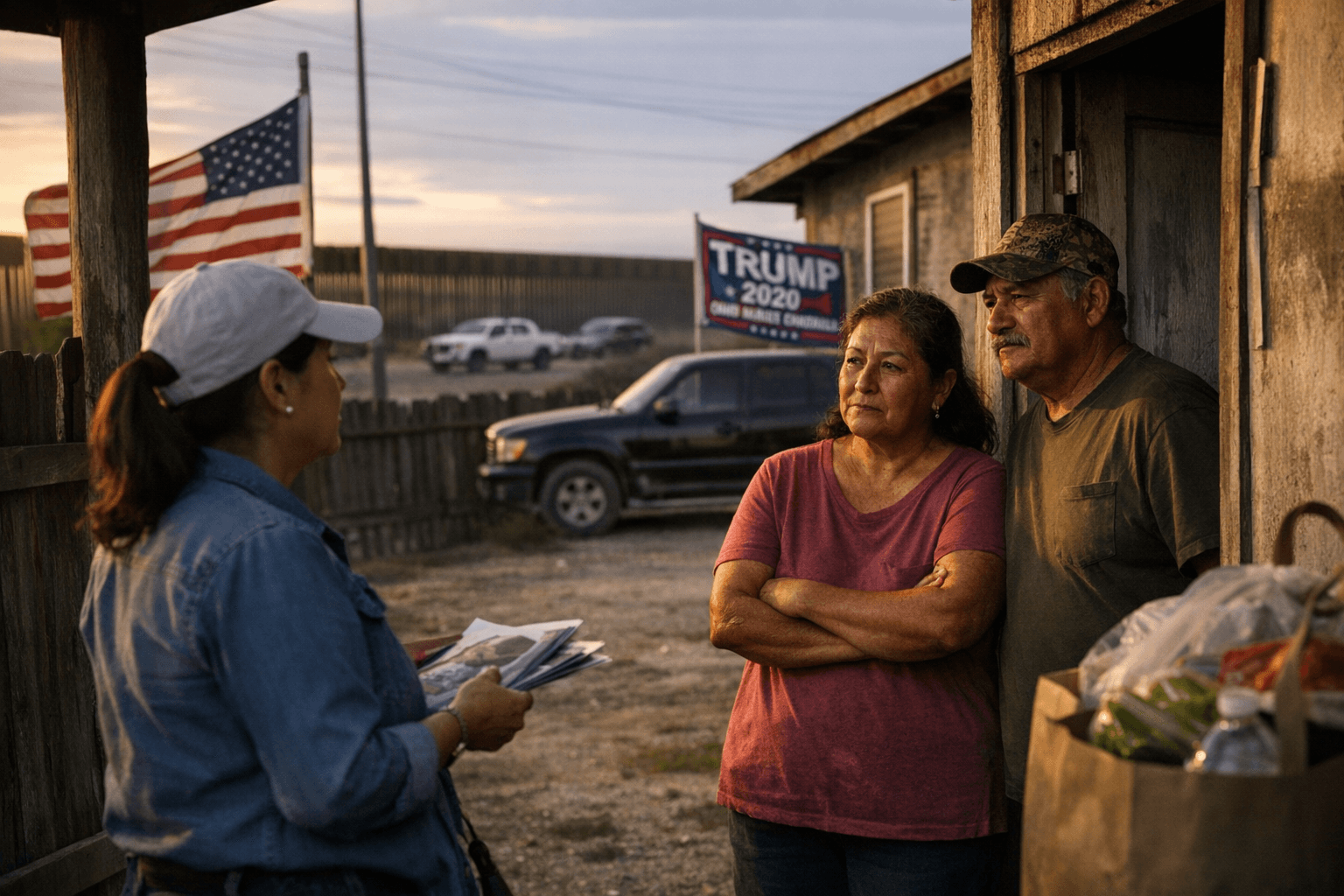
The Rio Grande Valley’s sharp turn against Democrats has become a warning for the party far beyond South Texas. In Cameron, Hidalgo, Starr and Willacy counties, a four-county stretch of about 1.4 million mostly Latino residents, Donald Trump carried every county in 2024 after generations of Democratic strength that had held through most presidential elections since at least the 1920s.
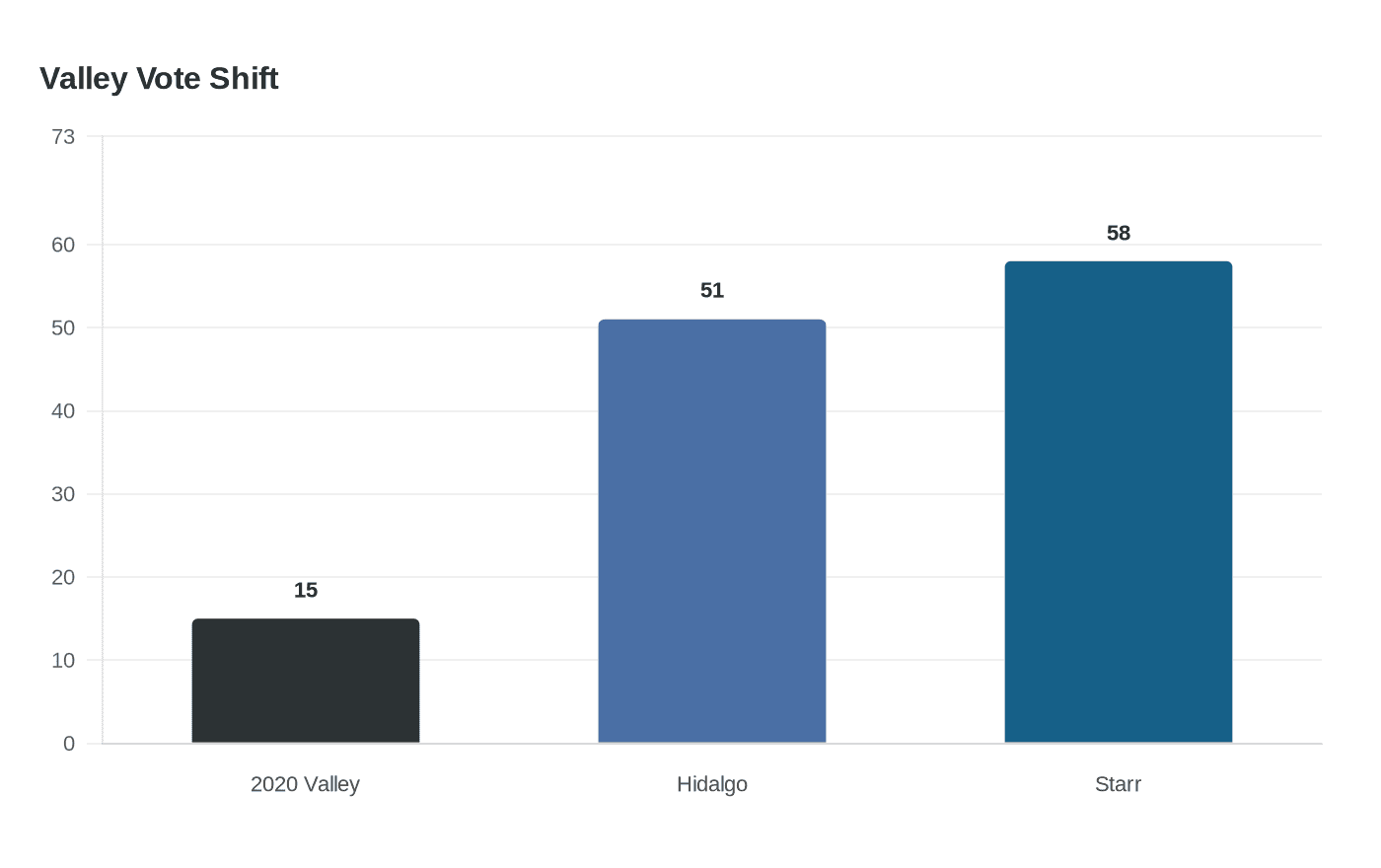
The reversal was especially stark because Joe Biden had carried the Valley by about 15 points in 2020, and Barack Obama had won all four counties in 2008. By 2024, Trump won Hidalgo County with 51 percent and Starr County with 58 percent, underscoring how quickly the region moved. For Texas Democrats, the Valley is now both a cautionary tale and a possible route back to competitiveness.
Local voters and analysts point to a mix of forces behind the shift. Post-COVID economic pain, higher grocery prices, frustration with Biden-era border policy and more intense Border Patrol encounters all fed the breakup. In one Valley donut shop, a owner’s worries about milk, eggs and tortillas captured the daily pressure many families described. The language people used mattered too. Some residents rejected being labeled poor, but said they felt broke, a distinction that reflects pride, strain and the reality of tight household budgets in a region where working-class identity runs deep.
That economic anxiety has collided with immigration politics and cultural identity. Analysts say Democrats were caught somewhat by surprise as Republicans widened their local outreach while Democrats pulled back during the pandemic. What followed was not just a partisan shift, but a broader reset in how campaigns have to speak to Valley families, where a national party label no longer guarantees trust.
Now Democrats are trying to reconnect through more culturally embedded politics, including outreach at quinceañeras and other family-centered gatherings. The strategy is meant to rebuild trust in neighborhoods where politics is often mediated through kinship, church, food and ceremony rather than ideology alone. It is also a sign of how much the party has had to adapt in a place where identity politics cuts both ways, and where voters may resist being called poor even as they feel financially cornered.
There are signs the region is again in play. Democratic primary turnout in the Valley more than doubled in March 2026 compared with March 2024, giving Texas Democrats hope that backlash to Republican policies could help them in the midterms. Still, experts caution that a more competitive Valley is not the same as a statewide breakthrough. In Texas, Democrats remain long-shot contenders, and the Rio Grande Valley shows how expensive it has become to win back voters who once seemed safely in the party’s column.
This article was produced by Prism’s automated news system from verified source data, official records, and press releases, then run through automated quality and moderation checks before publishing. The system is built and supervised by the people who set the standards it runs under. Read our full AI policy.
Did this article answer your question?

