MAHA coalition tests Trump’s broader health agenda ahead of midterms
Trump’s MAHA alliance helped knit together vaccine skeptics, organic moms and activists, but 47% now say Kennedy and Trump have not done enough.
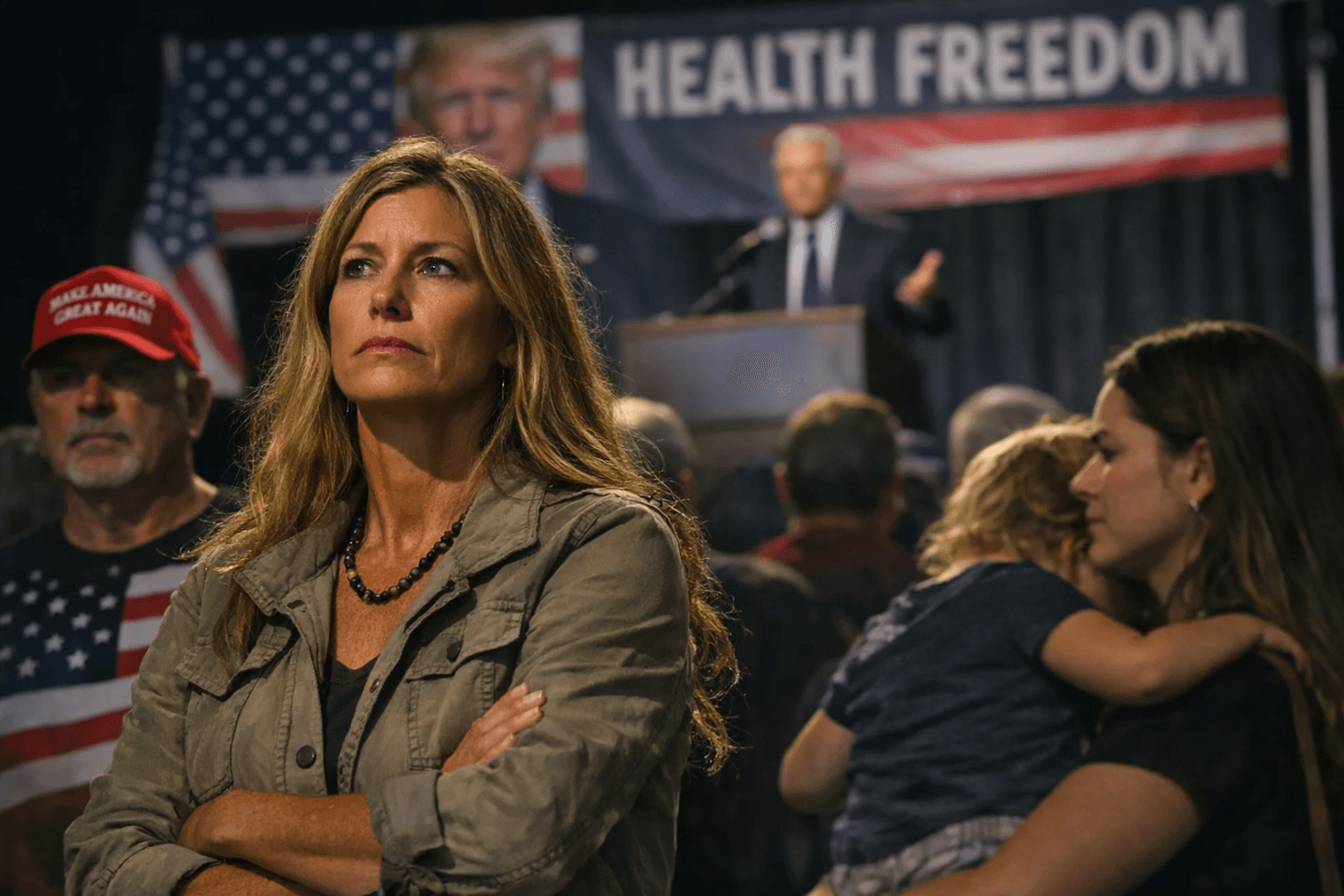
The Make America Healthy Again coalition helped Donald Trump assemble a wider 2024 base than traditional Republicans alone could deliver, bringing together vaccine skeptics, “organic moms” and environmental activists under Robert F. Kennedy Jr.’s anti-establishment banner. Now that same alliance is starting to fracture, with some supporters saying Trump and Kennedy have not moved fast enough on food, chronic-disease and school-lunch changes, while others are turning on the administration over pesticides and vaccine politics.
Kennedy’s shift from longtime Democratic outsider to Trump ally gave MAHA political weight inside Washington. After joining Trump during the campaign, Kennedy later became health and human services secretary, turning a movement that once lived mostly in wellness circles into a live test of the administration’s health agenda. By early 2026, Republican strategists were treating MAHA as a potential wild card for the midterms, hoping it could broaden the party’s coalition even as the movement’s own fault lines became harder to ignore.
Those cracks run through the coalition’s core constituencies. Some MAHA advocates want Republicans to focus on ultra-processed foods, food dyes, microplastics, school nutrition and physical activity. The anti-vaccine wing, by contrast, remains politically volatile and has already created friction with Republicans who prefer a more conventional pro-industry message. The White House has also signaled that it wants Kennedy to shift away from vaccines and toward areas where he can claim wins, reflecting a calculation that his value to Trump depends on keeping the coalition intact without reopening the most unpopular fights.
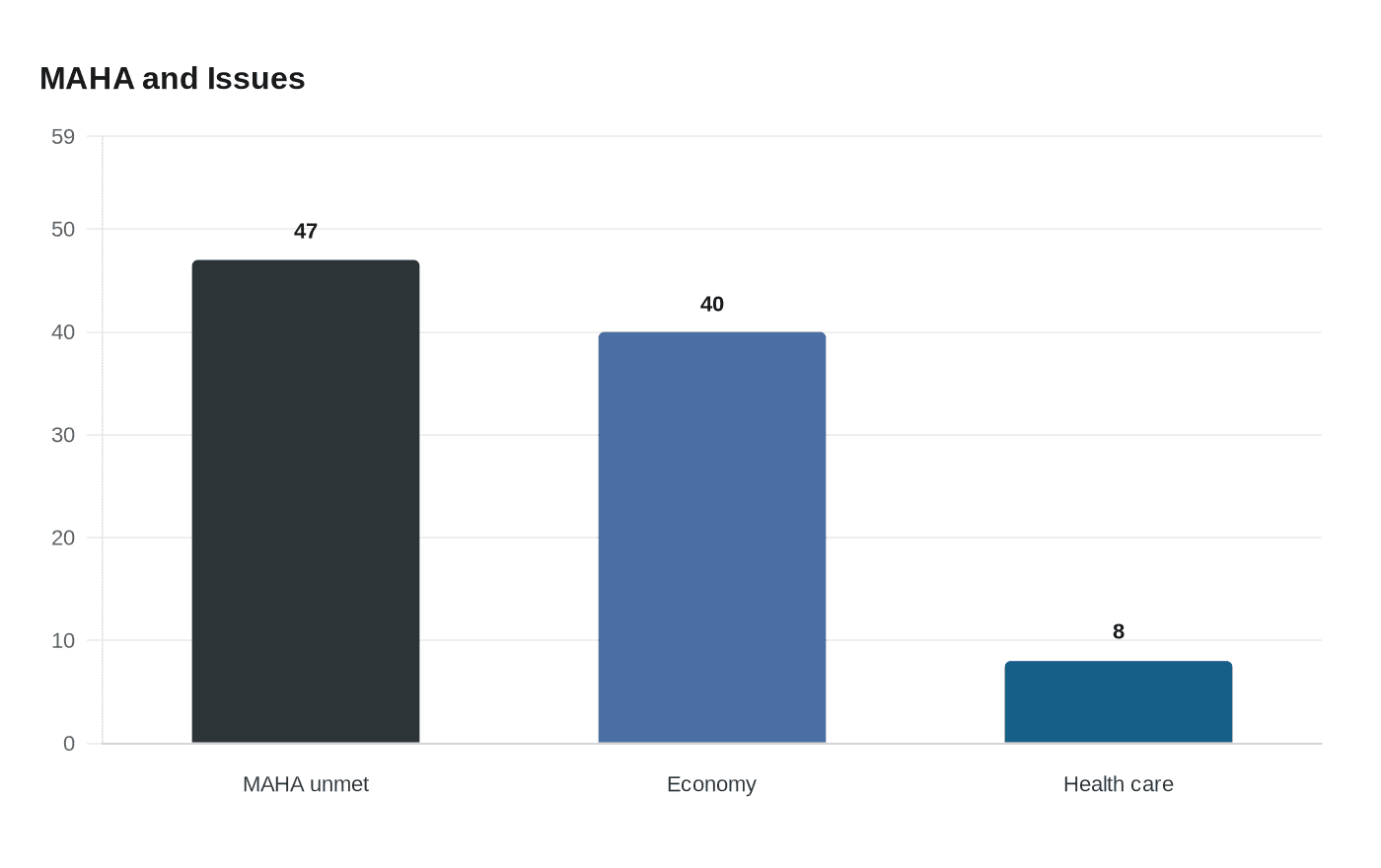
The polling underscores the risk. A March 2026 survey cited by The Hill found that 47% of MAHA supporters said Trump and Kennedy had not done enough to make America healthy. That unease sharpened after Trump signed an executive order to boost glyphosate, the herbicide used in Roundup, which angered MAHA allies who see pesticide reform as central to the movement’s identity. For activists who joined the alliance expecting tougher action on food and chemicals, the order looked like a betrayal, not a compromise.
The broader electoral backdrop suggests why the White House cannot afford to shrug off the split. AP VoteCast, based on interviews with more than 120,000 registered voters across all 50 states, found that about 4 in 10 voters said the economy was the top issue in 2024, while only 8% named health care. That means MAHA was never the dominant force in Trump’s coalition, but it may still matter at the margins. AP has also shown that even a sliver of abstaining voters can matter in competitive states, and Democrats’ 2025 gubernatorial wins in Virginia and New Jersey offered a reminder that turnout swings fast when a coalition loses enthusiasm.
This article was produced by Prism’s automated news system from verified source data, official records, and press releases, then run through automated quality and moderation checks before publishing. The system is built and supervised by the people who set the standards it runs under. Read our full AI policy.
Did this article answer your question?

