Democrats demand records on Trump pardons amid pay-to-play allegations
Democrats are demanding records on 17 Trump clemency cases, warning that pardons may have been shaped by donations, intermediaries and access.
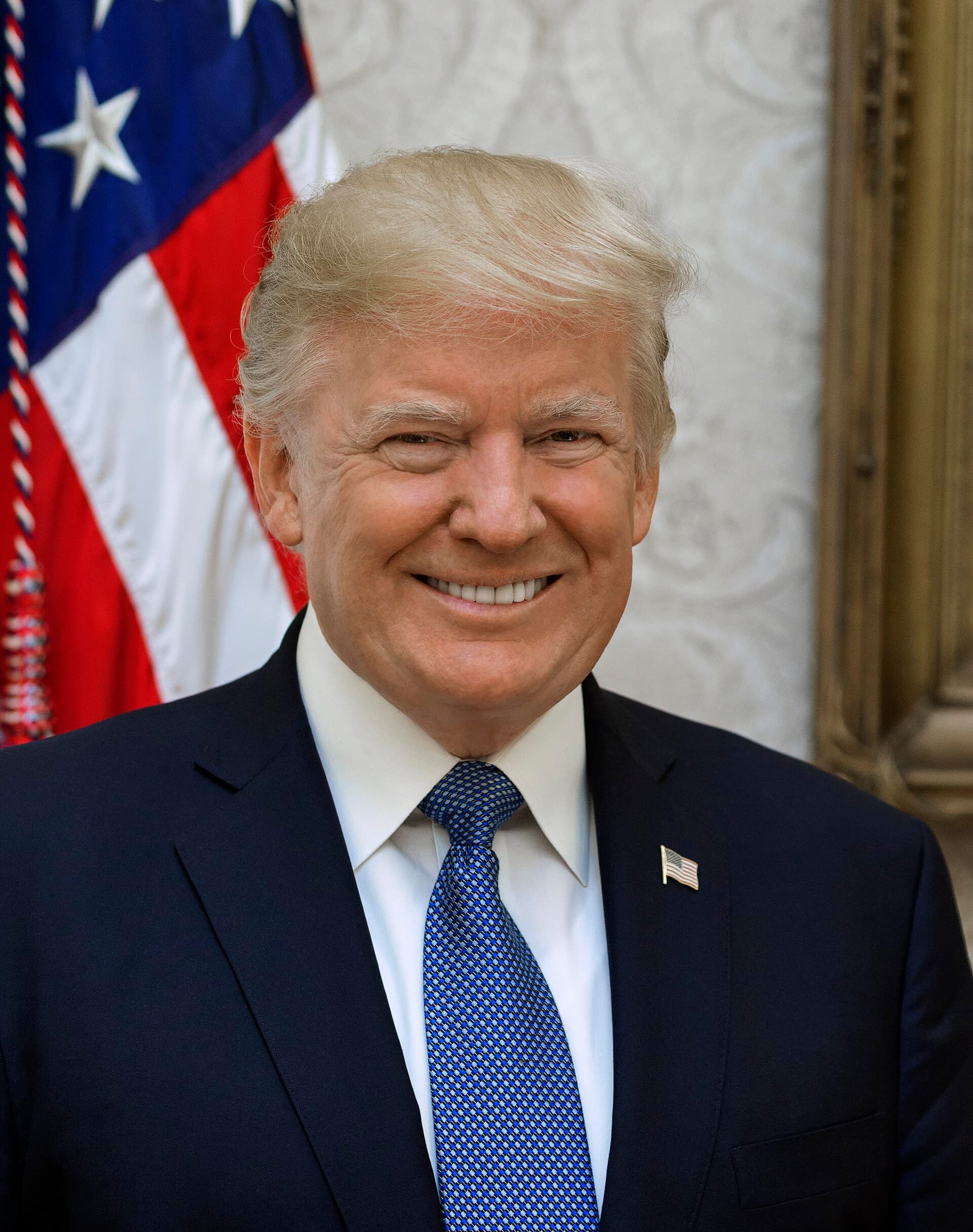
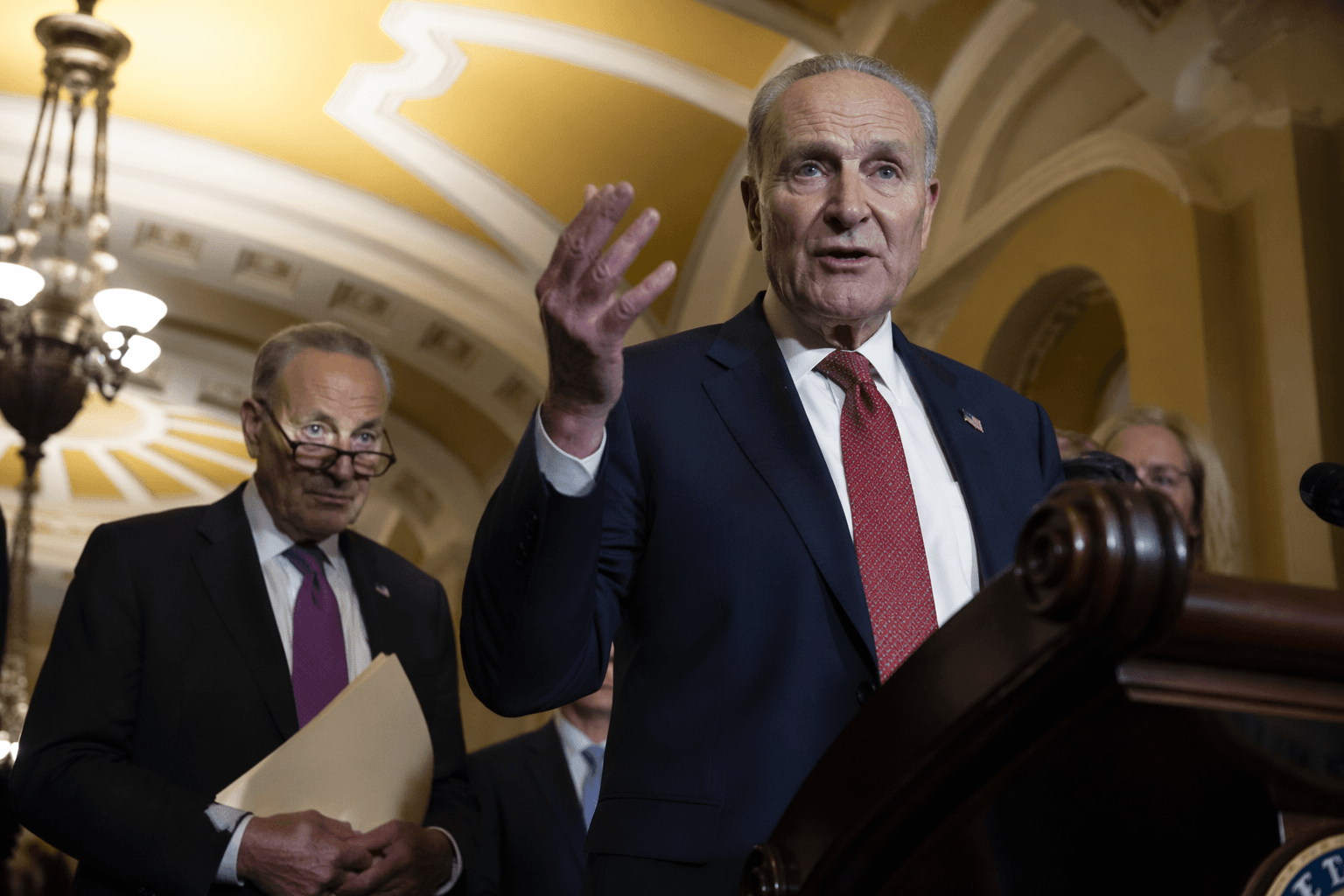
Two Democratic lawmakers are pressing the Trump administration to preserve records on 17 clemency recipients as they examine whether pardons and commutations were steered by favoritism, donations or outright pay-to-play. Sen. Peter Welch of Vermont and Rep. Dave Min of California sent preservation requests to the White House, the U.S. Department of Justice and the U.S. Secret Service, raising alarms about whether influence, not mercy, shaped some of the most high-profile clemency decisions.
Their letters ask for communications and records showing how the clemency requests were initiated and considered, whether lawyers, lobbyists, advocates or other intermediaries were involved, whether Trump administration officials or associates were contacted, and whether any financial contributions or payments were tied to the requests. The lawmakers also want material showing the extent of third-party advocacy behind the clemency bids, a paper trail that could reveal who had access to the process and who helped move it forward.
The scrutiny falls hardest on cases like Trevor Milton, the Nikola founder and former chief executive convicted in December 2023 of securities fraud and wire fraud in a case where federal prosecutors sought about $661 million in restitution for investors. Milton and his wife donated $1.8 million to Trump’s 2024 campaign fund, and Trump pardoned him in March 2025. For Democrats, that sequence has become a central test of whether clemency is being used as patronage.
The lawmakers’ concern is not limited to one beneficiary. They are asking for records on 17 specific recipients at a moment when the broader clemency system is already under strain. A recent review found that 96% of Trump’s clemencies in this term went to candidates who did not meet longstanding Justice Department guidelines, a pattern that intensifies questions about whether the normal review process is being bypassed or rewritten.
That process is supposed to run through Justice Department channels, with the Office of the Pardon Attorney handling recommendations and coordination. But some clemency seekers have routed pardon requests through the Secret Service during in-person visits to Trump rather than through the traditional Justice Department pathway, according to reporting cited in the lawmakers’ push. The White House and Justice Department deny impropriety, saying the pardon power is constitutional and “absolute” and that the Trump process includes thorough, coordinated vetting by the proper officials.
Min’s office said the oversight effort was launched May 7, 2026. The lawmakers are now trying to lock down records before they disappear, betting that the paperwork around these clemency grants may show whether a presidential power meant for mercy has become a venue for influence.
This article was produced by Prism’s automated news system from verified source data, official records, and press releases, then run through automated quality and moderation checks before publishing. The system is built and supervised by the people who set the standards it runs under. Read our full AI policy.
Know something we missed? Have a correction or additional information?
Submit a Tip