Democrats link ICE overhauls to DHS funding as shutdown risk rises
Senate Democrats tied immigration-enforcement reforms to their votes on remaining spending bills, escalating stakes as federal funding nears lapse.
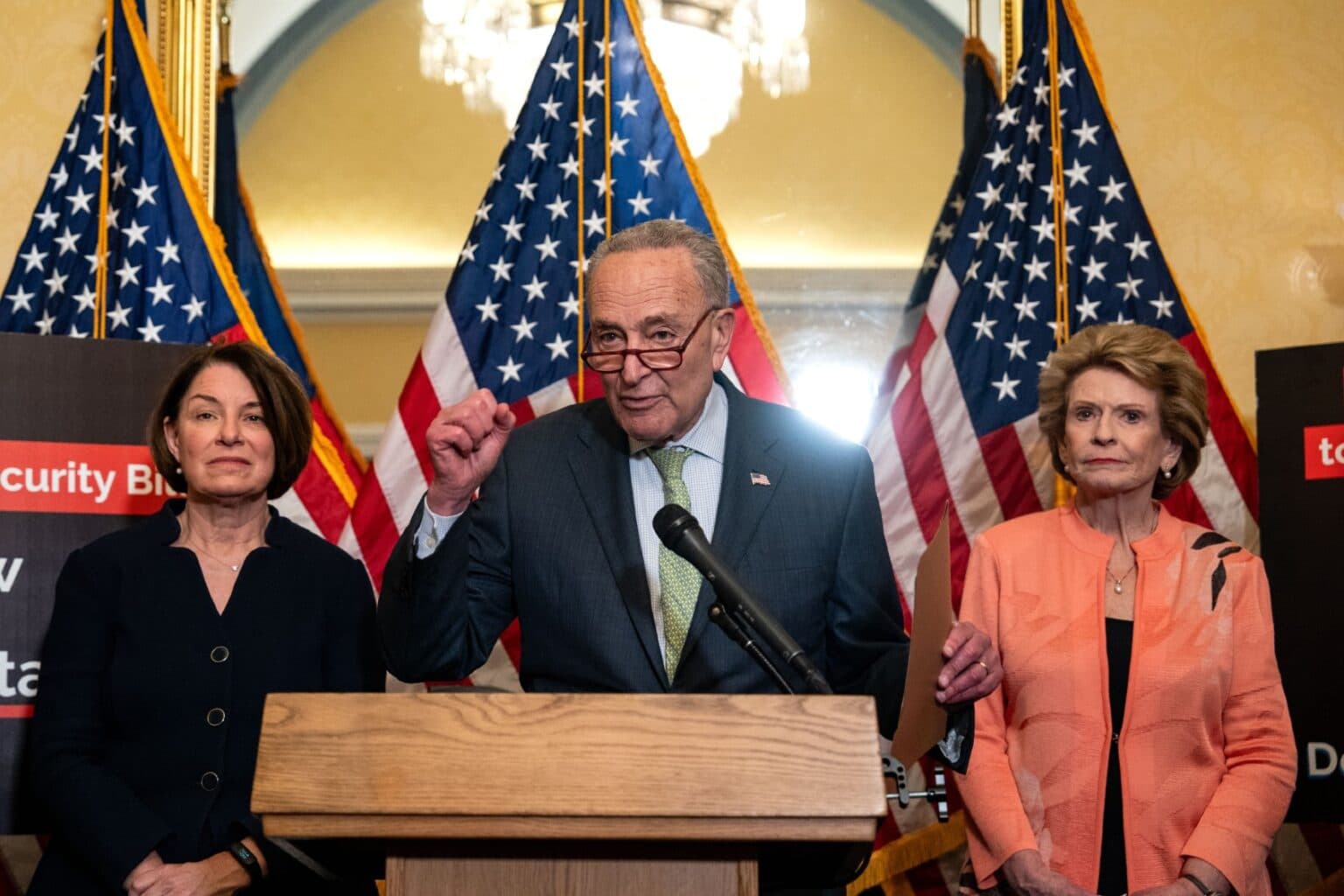
Senate Democrats unveiled a coordinated set of demands to reel in Immigration and Customs Enforcement and other Homeland Security enforcement practices, making those reforms a condition of their support for advancing the final fiscal 2026 spending bills as federal funding approached its end-of-January expiration.
Senate Minority Leader Chuck Schumer led a postcaucus news conference after a lengthy Democratic luncheon, saying the caucus had coalesced around three principal objectives aimed at increasing oversight and accountability for federal immigration agents. Schumer characterized the package as "common-sense and necessary" reforms and said Democrats were open to negotiating with Republicans on a compromise, but he warned the caucus would withhold votes unless the changes were addressed.
The demands focus on operational limits, uniform conduct rules, and identification and recording requirements for agents. Democrats want to curtail so-called roving patrols and tighten warrant rules to constrain broad immigration checks and require better coordination between ICE and state and local law enforcement. They seek a statutory, uniform code of conduct for federal immigration agents and accountability measures that would subject ICE and Border Patrol officers to the same use-of-force policies and independent investigative mechanisms applied to state and local police. The package also calls for mandatory agent identification and body-worn cameras while on duty, summarized by advocates as "masks off, body cameras on."
Democrats said they would either seek to separate the Department of Homeland Security funding measure from the remaining appropriations bills or rewrite it to include statutory limits on ICE operations before supporting its advancement. Schumer argued several of the changes "must be addressed," saying federal agents have at times violated constitutional rights and operated with insufficient oversight and criticizing current practices as "chaos created at the top." He signaled unified Democratic readiness to withhold votes on a broad funding package while remaining willing to bargain with GOP leaders and the White House.
Senators cited recent, high-profile violence as an immediate catalyst for the push, flagging the deadly shooting of Alex Pretti in Minneapolis last weekend as intensifying scrutiny of enforcement practices. Lawmakers noted that pressure from those incidents had narrowed the window for compromise and sharpened political incentives for reform.
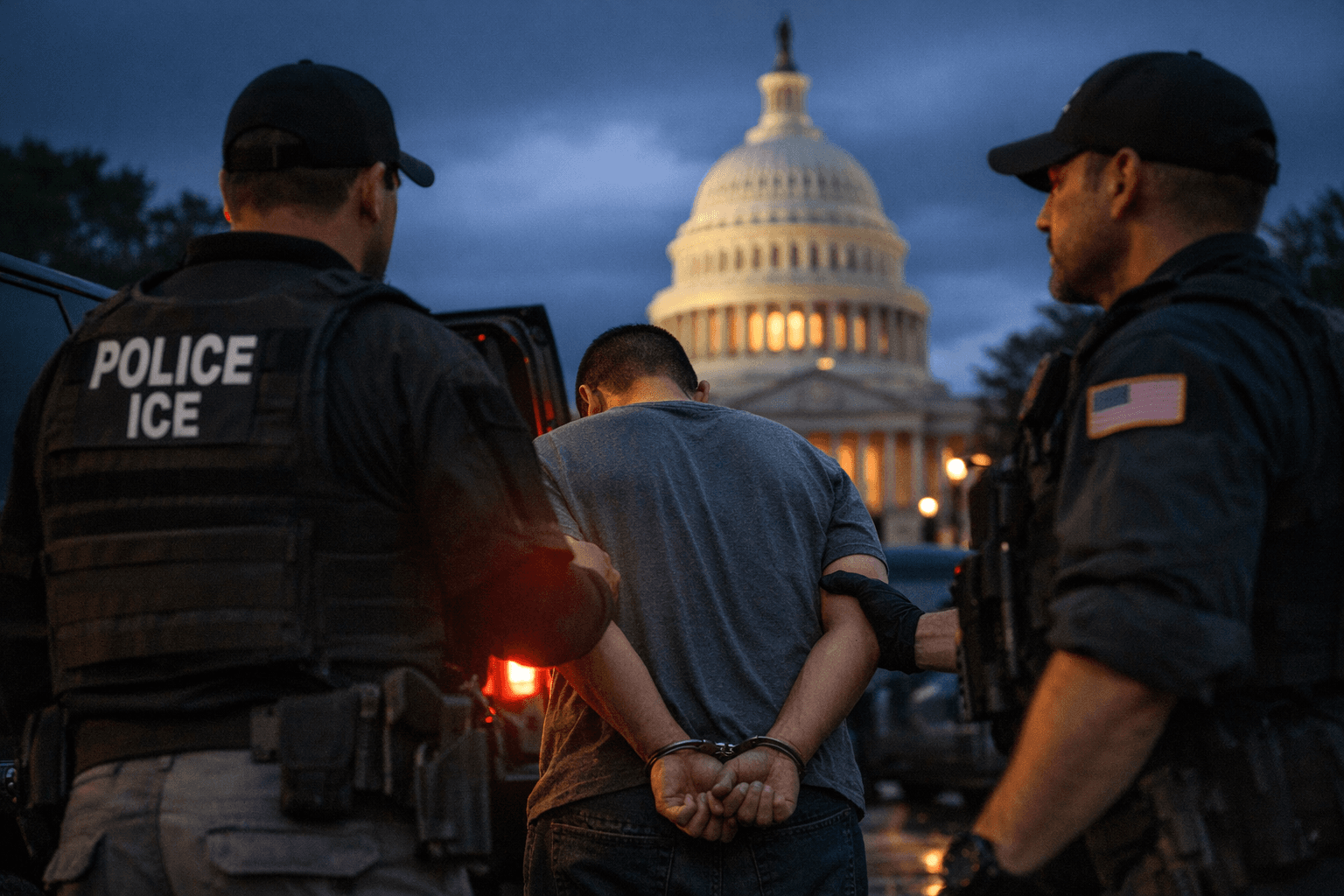
Legislative math and timing complicate the party's leverage. Congress has enacted six of 12 appropriations bills; six remain, including the DHS measure. Democrats said they were prepared to advance five of the six remaining bills if the DHS funding was separated or amended to include their ICE reforms. Any formal change would need action in the House, requiring Speaker Mike Johnson to recall the chamber from recess, and logistical hurdles such as weather could complicate rapid movement. Republicans and the White House had not offered a detailed counterproposal as of Jan. 28.
The standoff raises immediate practical concerns. A lapse in funding could again leave federal public defenders and other personnel without pay and disrupt routine DHS functions tied to border security and immigration processing. Sen. Chris Murphy (D-Conn.), speaking to the political stakes, warned, "Sometimes they might actually have to show up when the country is exploding."
With the funding deadline imminent and language details unresolved, the contest will test whether procedural bargaining over appropriations can be used to force statutory reforms to federal enforcement institutions, and whether interchamber compromise can be reached quickly enough to avert partial government disruption.
This article was produced by Prism’s automated news system from verified source data, official records, and press releases, then run through automated quality and moderation checks before publishing. The system is built and supervised by the people who set the standards it runs under. Read our full AI policy.
Did this article answer your question?

