Democrats see opening in Senate race as Trump approval sinks
Trump’s sinking approval has Democrats eyeing the Senate, but the math still demands four flips and at least two wins in states he carried by double digits.

Democrats entered the midterm cycle with more confidence about the Senate than they had at the start of President Donald Trump’s second term, but the numbers still draw a hard line between hope and control. The 2026 Senate map covers 35 seats, with 33 regular elections and two specials. Republicans hold a 53-47 majority, which means Democrats need a net gain of four seats to take power.
That is where the optimism meets the terrain. The Washington Post framed the race as one in which Democrats can see Senate control within reach, but the path remains full of big hurdles. The political opening is real, driven by Trump’s falling approval and the strain of the Iran war on prices and sentiment. Yet the map is still tilted against Democrats, and the road to 51 seats runs through states that are not naturally friendly to the party.
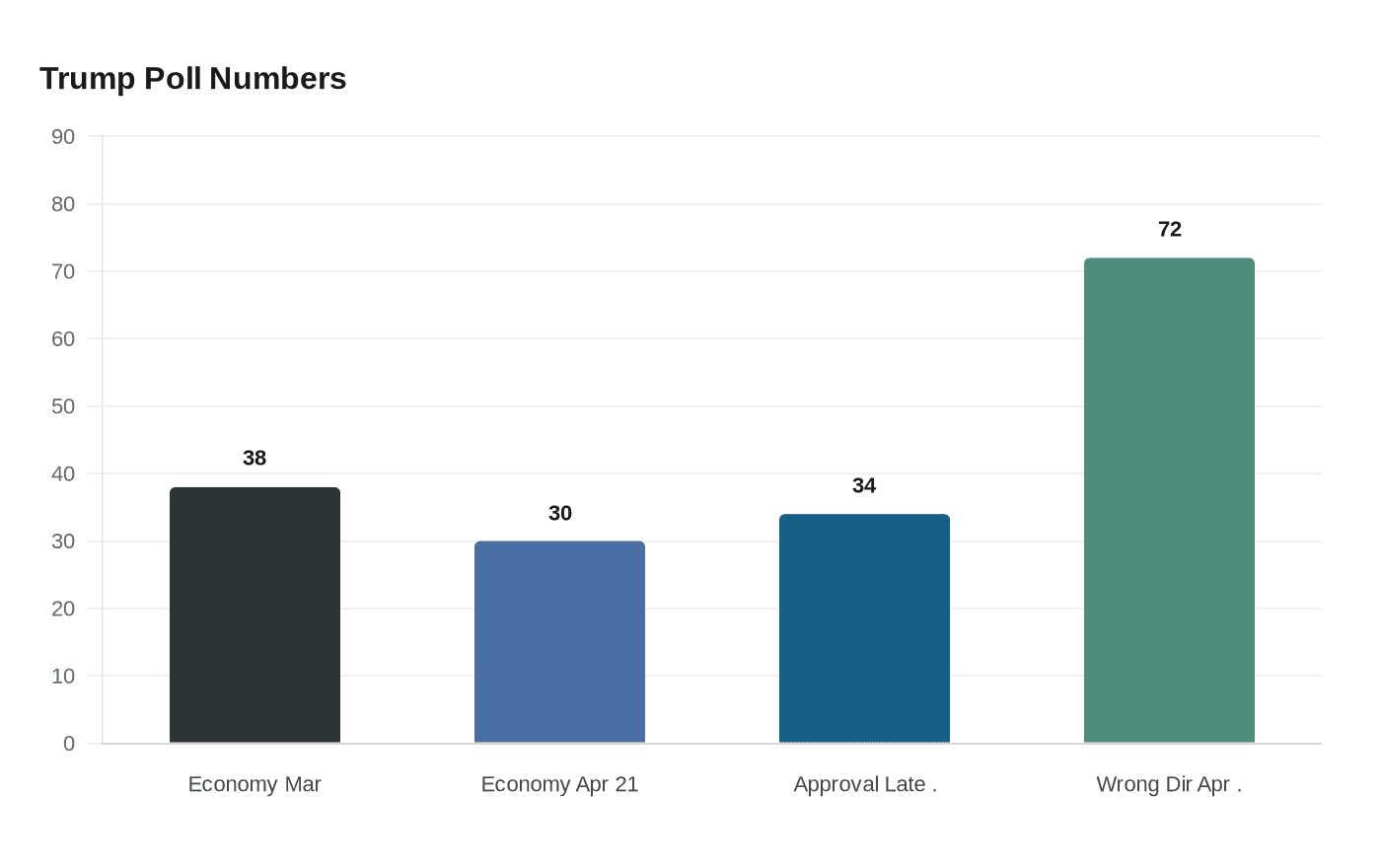
The clearest sign of vulnerability for Trump came in an AP-NORC poll released April 21, 2026. Just 30% of Americans approved of his handling of the economy, down from 38% in March, while 72% said the country was headed in the wrong direction. Late-April Reuters/Ipsos polling put Trump’s approval at 34%, the lowest reading of his current term in that survey. A POLITICO poll released May 1 found that a majority of U.S. adults said Trump’s decision to strike Iran was wrong. Together, the polls point to a national mood shaped by cost-of-living anxiety, uncertainty and fatigue.
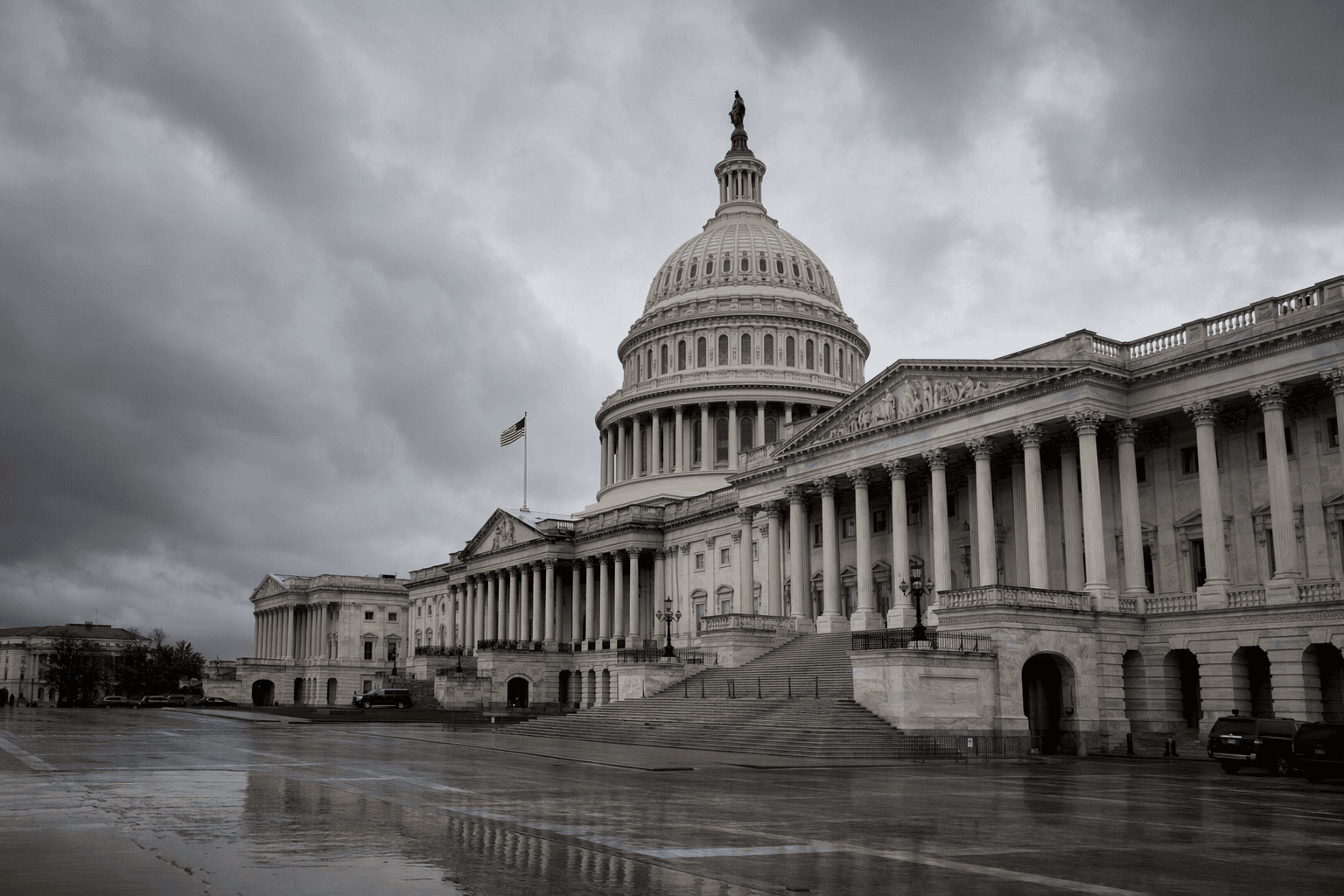
That mood matters, but it does not erase the arithmetic. Democrats likely must flip at least four Republican-held seats, and the DNYUZ mirror of the earlier Washington Post report said that means winning at least two states Trump carried by double digits in 2024. Ballotpedia identifies 11 Senate races as 2026 general-election battlegrounds, a reminder that the fight will be compressed into a relatively small cluster of contests rather than spread evenly across the country.
That concentration makes candidate quality, recruitment and incumbency critical. Democrats can benefit if Trump’s approval keeps slipping and voters keep linking his agenda to higher prices and instability. But the party cannot bank on national dissatisfaction alone. It has to find candidates who can survive in difficult terrain, hold discipline in expensive races and turn anger at Washington into actual seat gains. The opening is wider than it was a few months ago. It is still narrow enough to punish overconfidence.
This article was produced by Prism’s automated news system from verified source data, official records, and press releases, then run through automated quality and moderation checks before publishing. The system is built and supervised by the people who set the standards it runs under. Read our full AI policy.
Did this article answer your question?

