Trump-style populism draws wealthy donors to Australia's far right
A Sydney stockbroker has shifted A$1.1 million from the Liberals to Pauline Hanson’s One Nation, a sign wealthy donors are betting on harder-right politics.
Wealthy Australians are moving money away from the Liberal-National coalition and into Pauline Hanson’s One Nation, a shift that has turned one Sydney stockbroker into a symbol of the right’s new donor politics. Angus Aitken, who once gave A$230,000 to the Liberal Party, has now committed A$1.1 million to One Nation, a hardline anti-immigration party that has spent decades on the fringes but is suddenly drawing serious money.
The defection comes after the Liberal Party’s worst election defeat in May 2025, a result that left the center-right looking fractured and exposed. For donors who had long backed the old conservative mainstream, that collapse has become a warning sign. Aitken is not alone. Gina Rinehart, the mining billionaire whose political influence has long shaped debates on taxes, resources and regulation, has helped legitimize the turn toward outsiders. Her backing has given One Nation something it rarely had before: the aura of establishment-scale money.
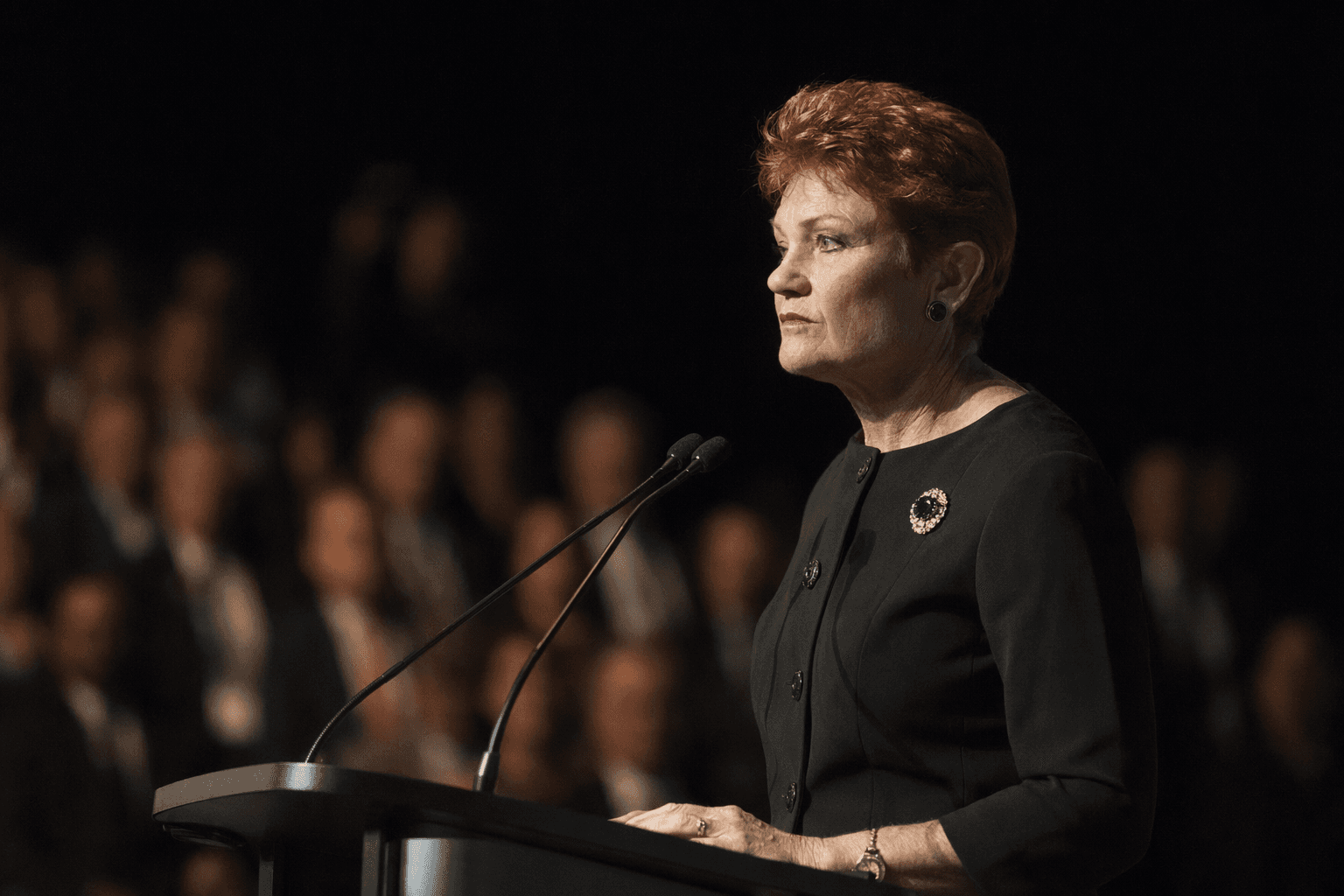
Founded in 1997, One Nation built its brand on hostility to immigration, environmental regulation and progressive social policy. In 2026, the party’s pitch echoes familiar Trump-era themes, including mass deportation rhetoric and deregulation after Donald Trump’s 2024 re-election. That makes the party more than a protest vehicle. It is becoming a destination for affluent conservatives who see traditional parties as too cautious, too compromised or too weak to fight the culture and migration battles they want waged.
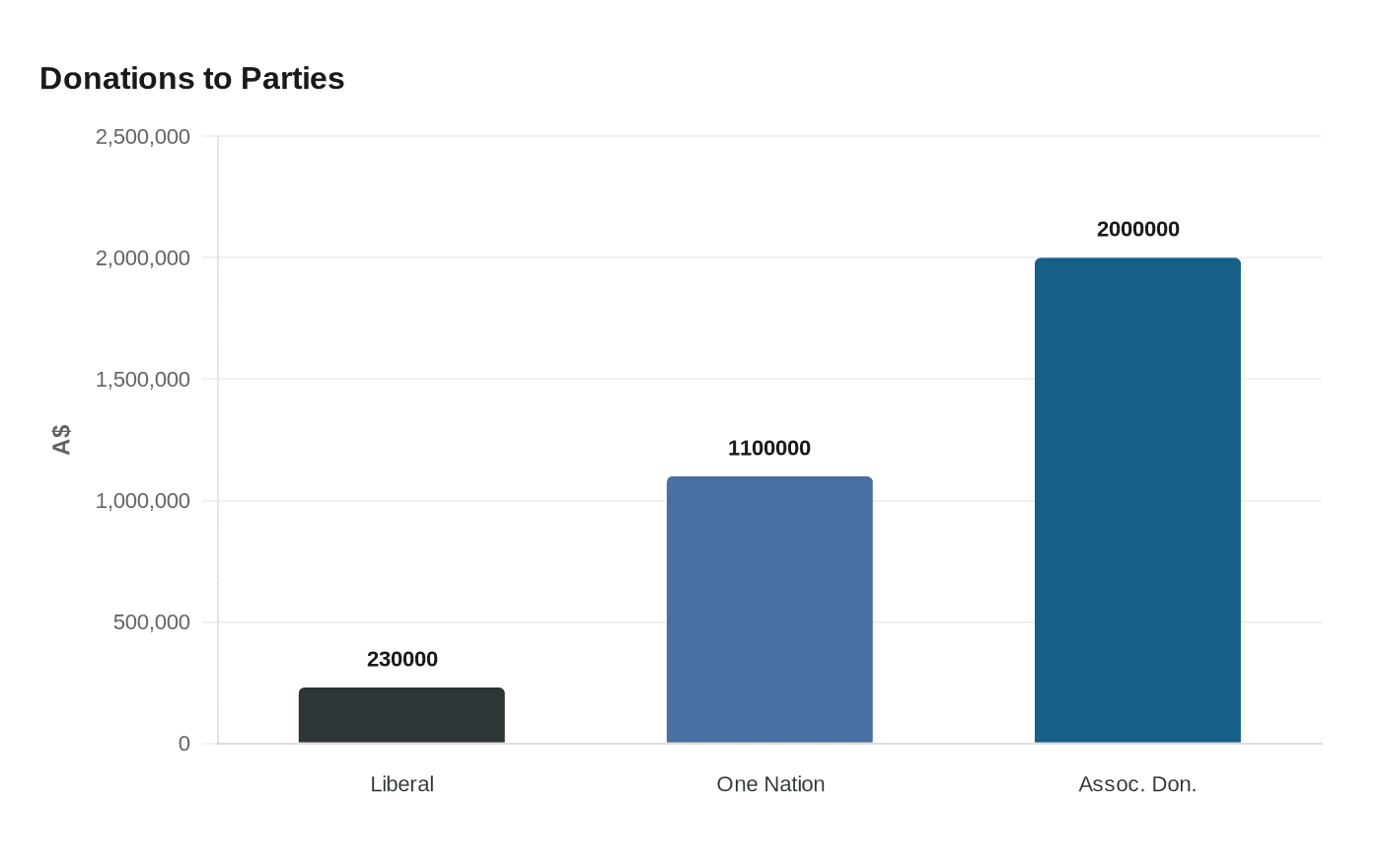
The money matters because it does more than pad a campaign account. ABC News reported on April 29, 2026 that Hanson had been gifted a plane by Rinehart, and that One Nation had also received A$2 million in donations from Rinehart’s associates, including Angus Aitken, Sarah Aitken, Adam Giles and Ian Plimer. For a party that once depended heavily on small donations and volunteer energy, that kind of support buys travel, visibility and reach into regional Australia, where Hanson has long tried to build her base.
The timing is also politically significant. The Australian Electoral Commission says the disclosure threshold for the 1 July 2025 to 30 June 2026 period is more than A$17,300, which means much of this spending will enter the public record. Bigger changes are coming in 2026-27, when major electoral finance reforms are due to begin, including a A$5,000 disclosure threshold from 1 January 2027, along with donation and spending caps.
One Nation’s current immigration policy calls for capping annual arrivals, deporting illegal immigrants, imposing an eight-year citizenship waiting period, reforming student visas, reinstating temporary protection visas and withdrawing from the UN Refugee Convention. The party says Australia’s migration system is broken and wants a cap of 130,000 visas a year. For Australia’s right, the open question is whether this is a durable realignment or a temporary imitation of Trump-style politics powered by donor frustration.
This article was produced by Prism’s automated news system from verified source data, official records, and press releases, then run through automated quality and moderation checks before publishing. The system is built and supervised by the people who set the standards it runs under. Read our full AI policy.
Did this article answer your question?

