Hochul reaches $268 billion budget deal, eyes new luxury home tax, immigration limits
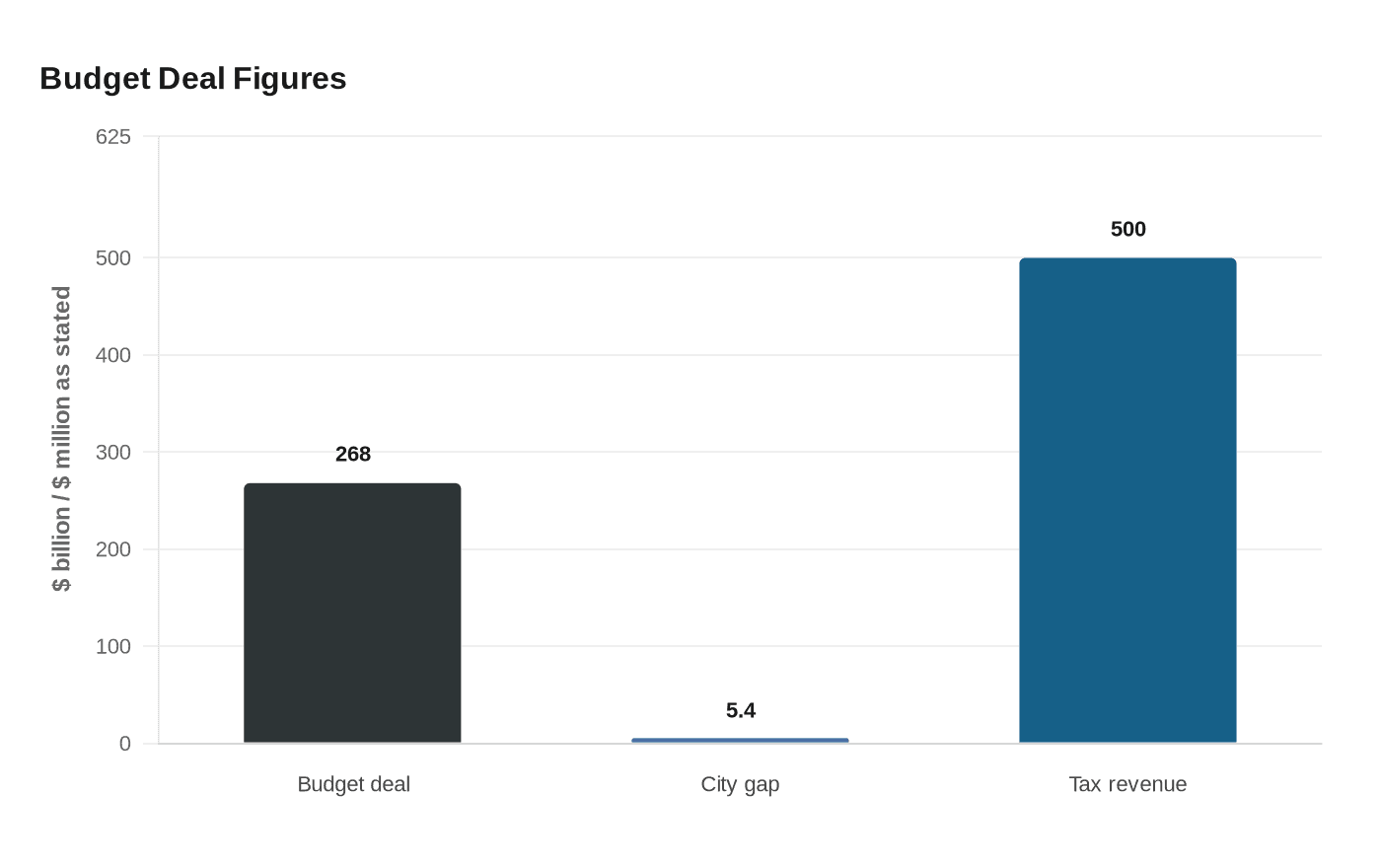
Hochul sealed a $268 billion budget deal that pairs a luxury second-home tax with new limits on federal immigration enforcement. The pact came after a five-week standoff.
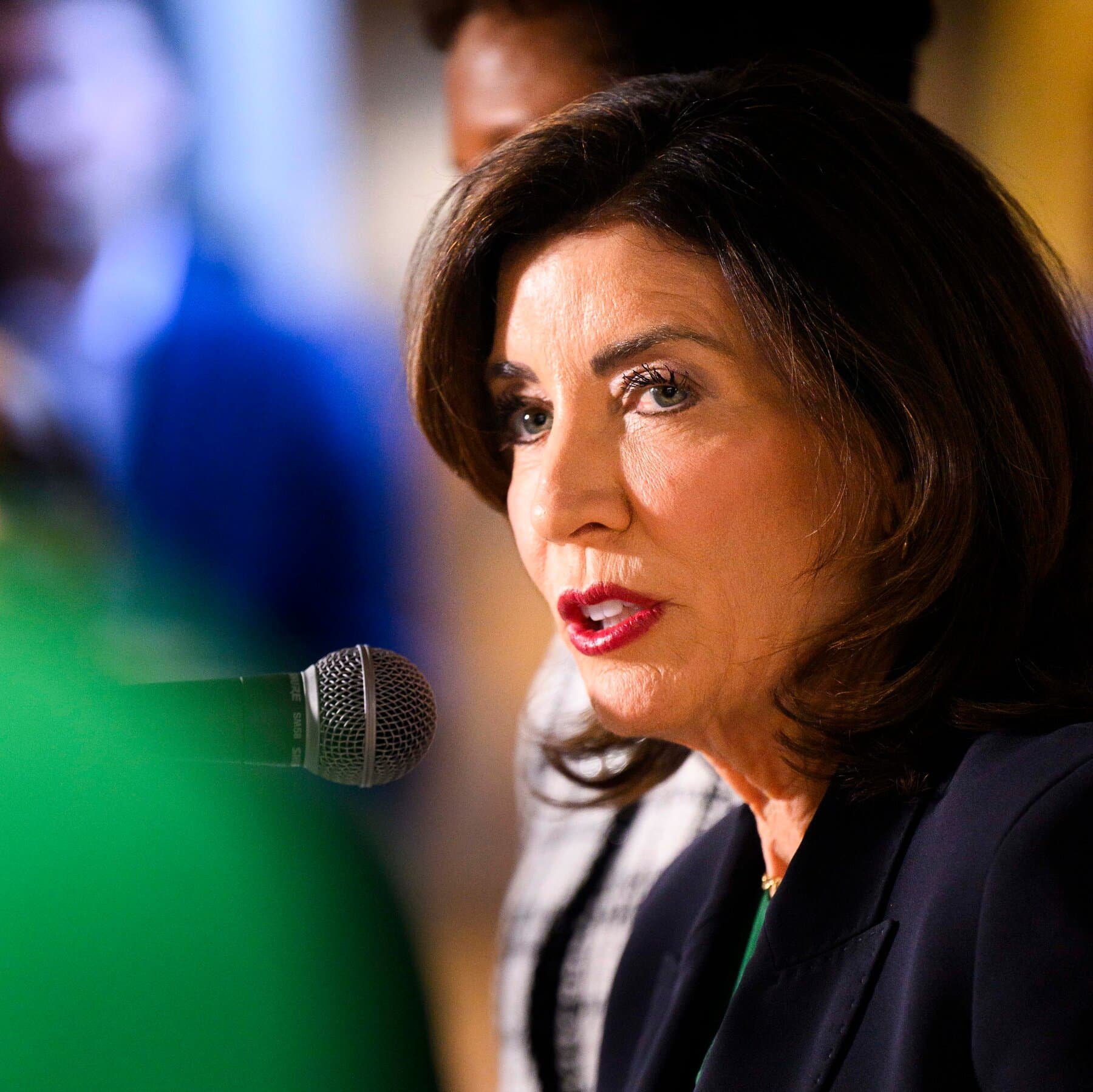
Gov. Kathy Hochul reached a $268 billion budget deal with New York lawmakers that shifts more of the state’s fiscal burden onto wealthy second-home owners in New York City while tightening Albany’s resistance to federal immigration enforcement. The agreement came more than a month late, after roughly five weeks of deadlock between the governor and legislative leaders.
At the center of the deal is a new pied-à-terre tax, a surcharge on luxury second homes in New York City valued at $5 million or more and owned by people whose primary residence is outside the city. Hochul and Mayor Zohran Mamdani announced the proposal on April 15, framing it as a way to help close New York City’s $5.4 billion two-year budget gap and bring in recurring revenue without raising costs for everyday New Yorkers. The governor’s office said the tax was expected to generate at least $500 million a year for the city.
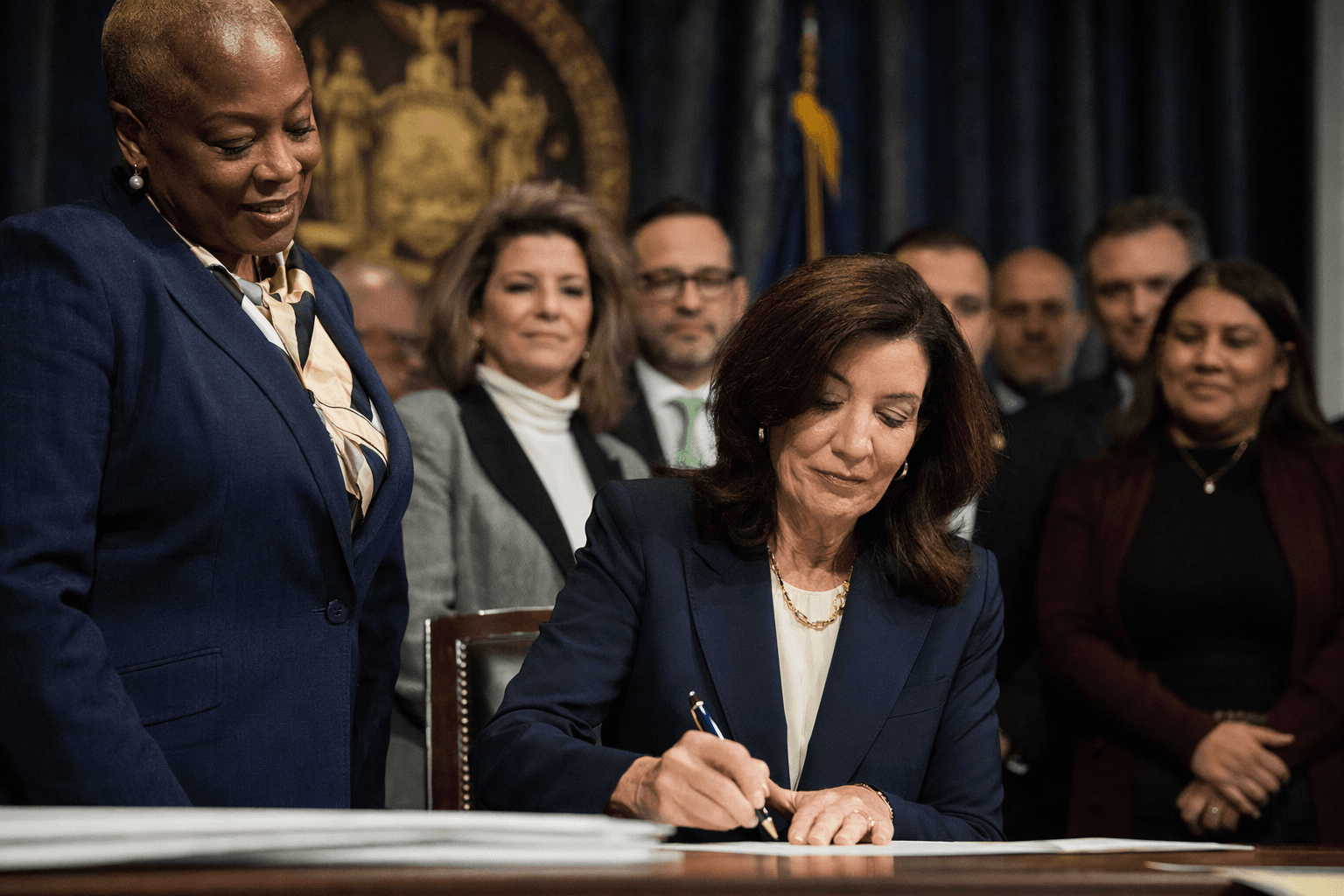
The budget framework also spans taxes, housing and the state’s climate law, reflecting how many fronts were packed into one late-session negotiation in Albany. Bloomberg reported that the compromise would weaken the state’s climate law, underscoring the tradeoff Democrats made to secure the broader budget agreement.

Hochul’s push on immigration was just as pointed. Her proposals include stopping local law enforcement from being deputized by ICE for federal civil immigration enforcement and barring officers from covering their faces to conceal their identities. She has argued that the measures are meant to protect constitutional rights and keep police focused on local crime rather than federal immigration work.
The political bargain in the budget is clear. New York is asking wealthier property owners to help shoulder more of the cost of government while pairing that fiscal move with a harder line against federal immigration enforcement. The result is a deal shaped by affordability pressure, a large city budget gap and a broader confrontation with the Trump administration that now runs through both Albany and City Hall.
Know something we missed? Have a correction or additional information?
Submit a Tip