Democrats split over how to sell an affordability message to voters
Democrats are splitting over whether affordability needs a sharper populist turn or a broader policy reset after 2024 losses left six in 10 working-class voters negative on the party.
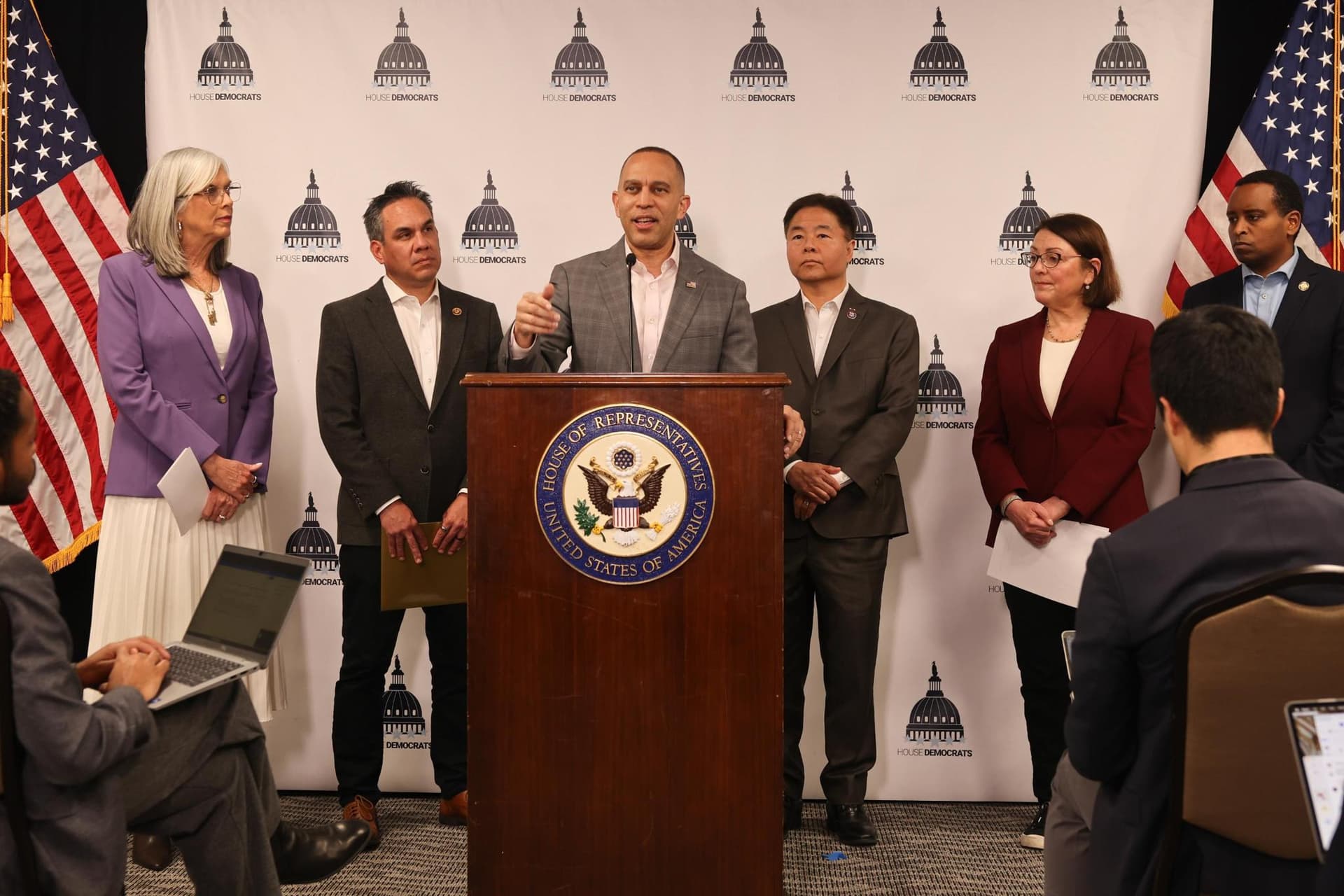
Democratic leaders are trying to turn affordability into a governing message, but the party’s own debate shows how hard it is to win back working-class voters without choosing between a messaging reset and a policy reset. After sweeping losses in 2024, House Democrats have made lower costs the centerpiece of their 2026 pitch, even as allies argue over whether the party should sound more populist, more corporate-friendly, or some blend of the two.
House Democratic Caucus Chair Pete Aguilar opened the House Democrats’ Issues Conference on February 25, 2026, by saying Democrats were focused on lowering costs and improving the lives of hardworking American families. The caucus has since branded its economic pitch as “Affordable America,” with a plan that includes banning corporate price gouging, building more homes and cutting taxes for working Americans. The message is designed to answer the price pressures that still define daily life for many voters, from grocery bills to rent to health care and gas.

The political problem is that Democrats are not starting from a position of trust. Internal party research in 2025 found that six in 10 working-class voters held a negative view of Democrats, and described the party as “woke, weak and out-of-touch.” Brookings Institution analysis found that Trump won 66% of the white working-class vote in 2024, underscoring how far Democrats’ decline has gone in a group that once gave Republicans a narrower edge.
That has sharpened the party’s internal split. Progressives have pushed a more confrontational answer, launching task forces in July 2025 focused on lowering costs, ending corporate greed, fighting corruption, and securing better pay and benefits. The Congressional Progressive Caucus is betting that voters who feel squeezed by inflation will respond to attacks on powerful companies and a more explicit class-based argument.
Other Democrats and allied strategists are arguing for a broader, less combative approach that still leaves room to work with business. Labor leaders, including the AFL-CIO, have pressed for a year-round, 365-day field program to reach workers where they live and organize, not just when campaigns are on the calendar. Justice Democrats added to the pressure in May 2026, rolling out a dozen 2026 contenders as a working-class answer to the party’s messaging fight.
The central question is whether Democrats can make affordability sound like more than a slogan. Their 2026 frame is already set around costs, but the 2024 losses suggest voters want more than an argument about messaging alone. They want proof the party understands their economic reality.
This article was produced by Prism’s automated news system from verified source data, official records, and press releases, then run through automated quality and moderation checks before publishing. The system is built and supervised by the people who set the standards it runs under. Read our full AI policy.
Did this article answer your question?

