Democrats urge Graham Platner to quit Maine Senate race over assault claim
Chuck Schumer called on Graham Platner to “immediately withdraw” after a 2021 assault allegation, and Democratic groups quickly pulled back. Maine became a Senate test.
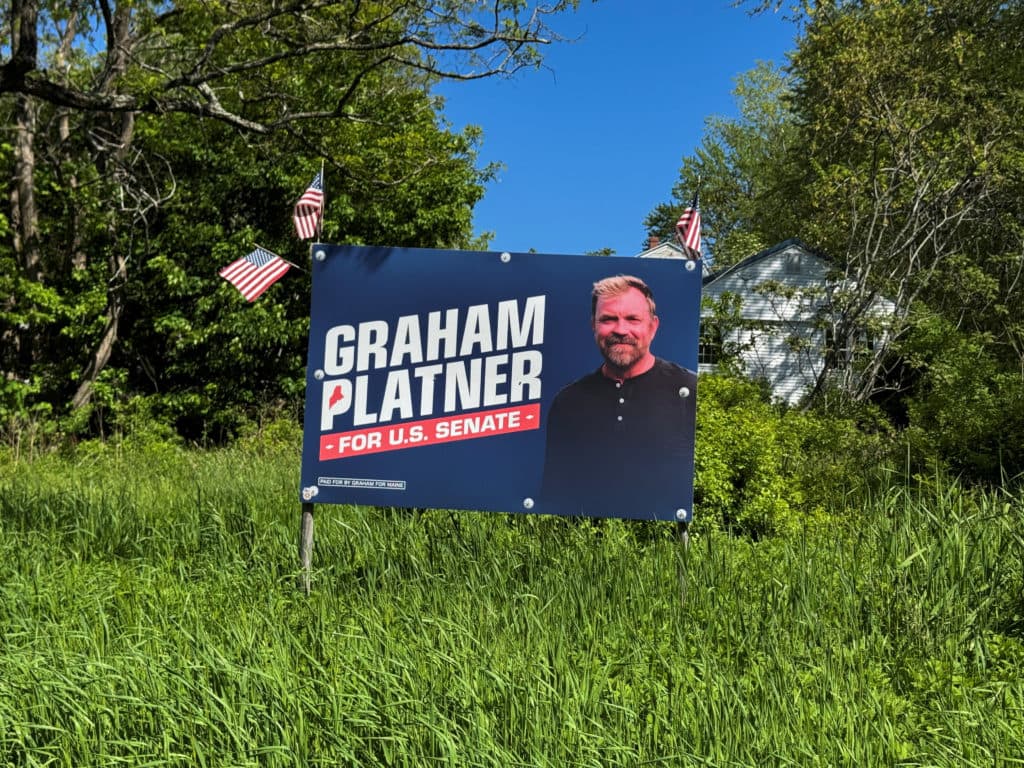
Senate Minority Leader Chuck Schumer called on Graham Platner to “immediately withdraw” from Maine’s Senate race after a woman who dated him accused him of sexually assaulting her in 2021. Senate Democratic campaign chair Kirsten Gillibrand joined that demand, the Democratic National Committee said it was time for Platner to end his campaign, and Senate Majority PAC said it was redirecting resources away from the race.
The allegation centers on Jenny Racicot, who said the incident happened in 2021 after an on-again, off-again relationship with Platner that began in 2019. She later repeated the accusation in a CNN interview. Platner denied the claim in a social-media video, saying any non-consensual conduct allegation was “categorically false.”
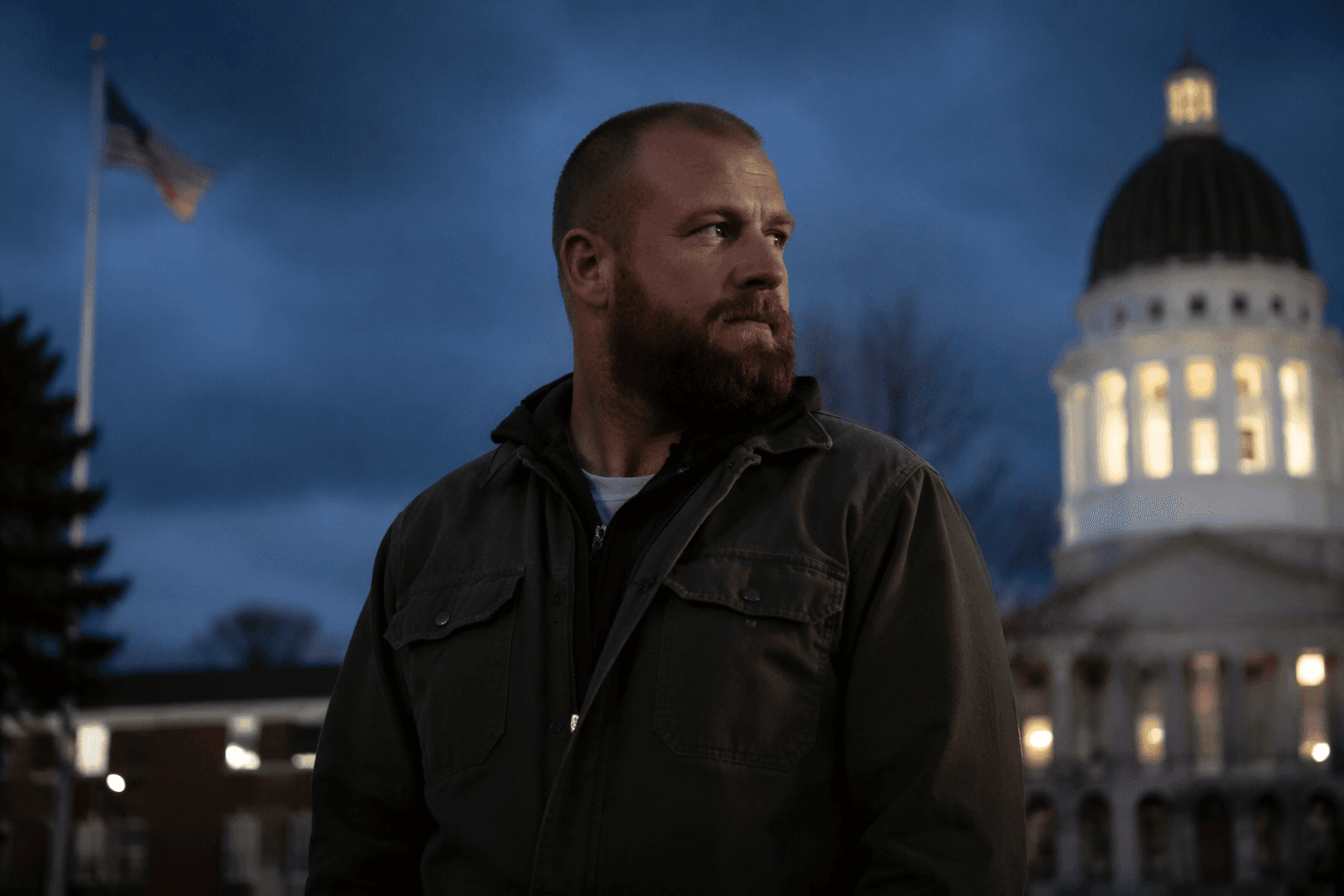
The backlash widened quickly as Democratic leaders and aligned organizations moved to distance themselves from the Maine candidate. The withdrawal of support from Schumer, Gillibrand, the DNC and Senate Majority PAC left Platner facing not just a personal defense but an institutional collapse around his campaign, a sign that major party figures were treating the allegation as disqualifying.

The stakes in Maine are unusually high for Democrats because the seat is seen as crucial to control of the Senate in November. Platner’s potential exit would also force a scramble for a replacement nominee in a race that party officials had viewed as central to their path back to the majority. That made the response a direct test of how quickly Democratic leaders would act when a serious assault allegation threatened one of their own nominees, and whether the party’s response would match the standards it says it applies elsewhere.
This article was produced by Prism’s automated news system from verified source data, official records, and press releases, then run through automated quality and moderation checks before publishing. The system is built and supervised by the people who set the standards it runs under. Read our full AI policy.
Did this article answer your question?