Democrats warn Trump arch project at Arlington needs Congress approval
Democrats say Trump’s 250-foot arch near Arlington cannot move ahead without Congress, warning officials could face fines or criminal charges.
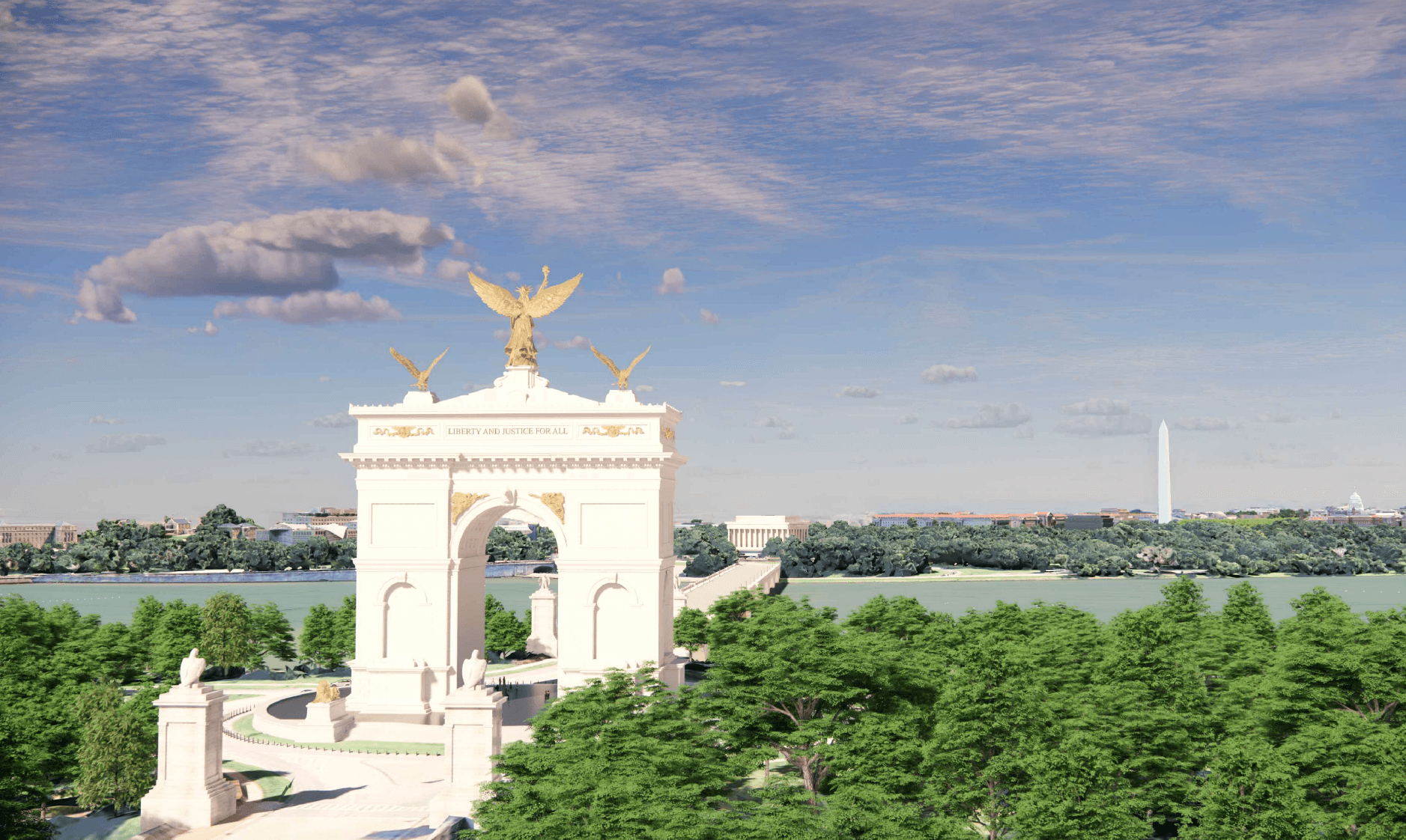
The fight over Donald Trump’s proposed 250-foot Triumphal Arch near Arlington National Cemetery has become a test of who controls federal land, federal permits and the power to authorize new monuments. Democrats and a Senate independent say the administration cannot move ahead at Memorial Circle without an act of Congress, and they warn Doug Burgum and National Park Service officials that proceeding could expose administration members to fines and even criminal prosecution.
The site sits on federally managed land inside the George Washington Memorial Parkway, and lawmakers say it falls squarely within the 1986 Commemorative Works Act. That puts Congress at the center of the dispute over whether the arch can be built at all, while the Interior Department and National Park Service would still control the land itself, the permitting process and the ground-disturbing work needed to start construction. House Natural Resources ranking member Jared Huffman has said Burgum misled Congress about the project’s status, sharpening the clash between lawmakers and the administration.
Rep. Don Beyer, whose district includes the site, has introduced legislation to block the arch. He is joined by veterans and relatives of people buried at Arlington, where more than 400,000 service members, veterans and family members are laid to rest. Their objection is not only about size or aesthetics but about location: the arch would rise just steps from one of the nation’s most sensitive military burial grounds.
A National Park Service preliminary assessment released June 11 said construction could run 20 hours a day, year-round, and could be finished in about three years. That timetable underscores how large the project would be on a parcel of federal land already governed by monument rules, height limits and preservation requirements. It also highlights the practical question Congress now faces: whether it wants the executive branch to set a precedent for major memorial construction on national park land without explicit approval.
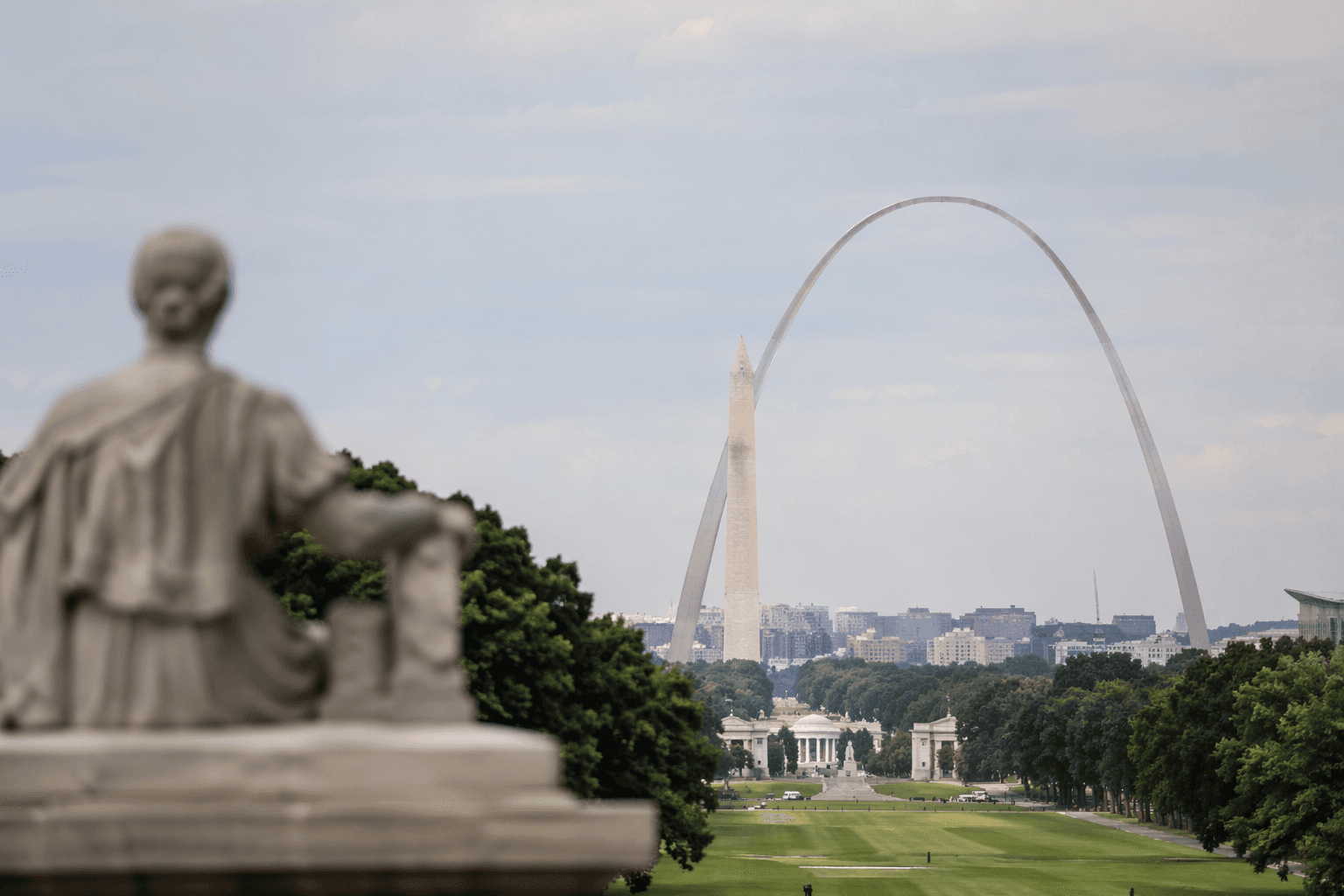
The funding battle is already moving on Capitol Hill. The House Appropriations Committee voted 32-24 along party lines to block an amendment that would have stopped the project, showing that Republicans are prepared to shield the arch from an immediate funding setback. Supporters have pointed to the Gateway Arch in St. Louis, where a $380 million public-private partnership helped finance renovation work at Gateway Arch National Park, but Arlington is a different case. Here, the broader issue is not renovation but authority, and the outcome could define how far a president can go in placing new monuments on federally protected land.
This article was produced by Prism’s automated news system from verified source data, official records, and press releases, then run through automated quality and moderation checks before publishing. The system is built and supervised by the people who set the standards it runs under. Read our full AI policy.
Know something we missed? Have a correction or additional information?
Submit a Tip