Supreme Court to hear Trump immigration detention appeal
The justices will decide whether immigrants facing deportation can be jailed for months without a bond hearing, a ruling that could affect thousands in ICE custody.
The Supreme Court agreed Monday to take up a Trump administration appeal over whether certain convicted immigrants can be held for long stretches without bond hearings while deportation cases are still pending. The case puts a direct constitutional question before the justices: how far the government can use detention as an immigration enforcement tool before due-process limits require a judge to review whether release is appropriate.
The dispute, Genalo v. Black, comes from New York and centers on two lawful permanent residents. One is G.M., a Dominican man who became a green-card holder in 2011 and was detained in 2020; he spent 21 months in custody during removal proceedings after an assault conviction. The other is Carol Black, a Jamaican citizen who has been a lawful permanent resident since 1983 and was held for seven months without a bond hearing while his case moved forward.
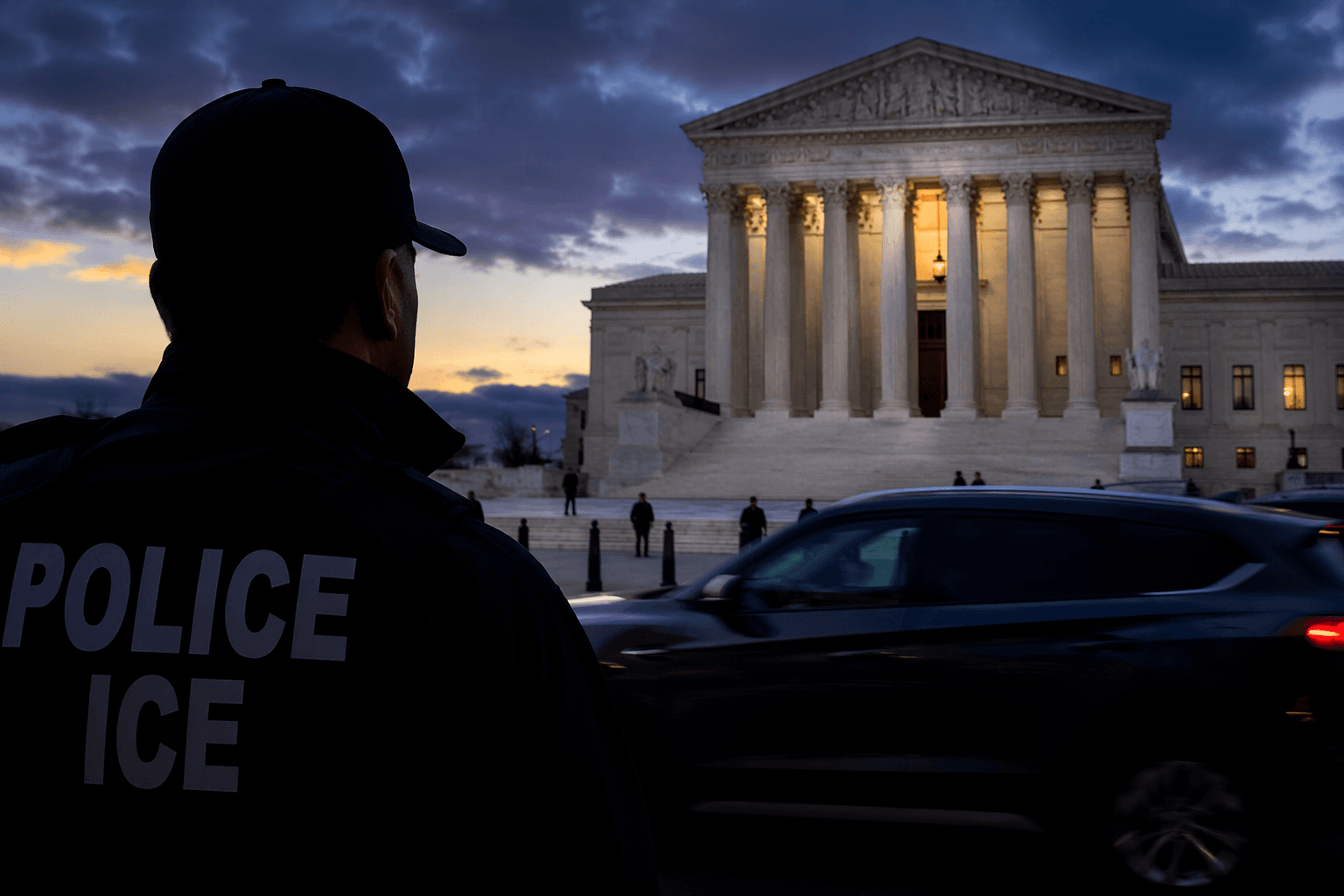
At issue is whether the government may keep certain noncitizens in custody while their removal cases proceed, or whether federal law and the Constitution require a prompt hearing before a judge to decide if continued detention is justified. The 2nd U.S. Circuit Court of Appeals said due process bars "unreasonably prolonged" detention without that kind of review, setting up the appeal now before the high court.
The administration filed its appeal in January, and the justices are expected to hear argument in their next term, which begins in October. The case adds another major immigration test to a court that has repeatedly been asked to define the limits of executive power, especially when enforcement policy collides with liberty interests and basic procedural protections.
The stakes reach well beyond the two men named in the case. Prolonged detention without bond review affects many immigration cases each year, and a ruling for the administration could give federal authorities broader room to hold people for longer periods while deportation proceedings are unresolved. A ruling for the challengers could strengthen detainees’ ability to contest custody and force the government to move faster or make a stronger showing for detention.
The case also arrives amid a broader split among federal appeals courts over prolonged immigration detention and bond hearings. It follows the Supreme Court’s 2001 decision in Zadvydas v. Davis, a precedent now resurfacing as historical context for where constitutional and statutory limits may lie. For the justices, the question is not just who can be detained, but for how long, and on what showing the government must justify taking away liberty before a deportation case is finished.
This article was produced by Prism’s automated news system from verified source data, official records, and press releases, then run through automated quality and moderation checks before publishing. The system is built and supervised by the people who set the standards it runs under. Read our full AI policy.
Know something we missed? Have a correction or additional information?
Submit a Tip