Woodward takes charge of DOJ antitrust division, Reuters reports
Stanley Woodward now has temporary control over DOJ antitrust, shifting merger and cartel decisions toward a Trump-aligned top appointee. The move could reshape Big Tech and merger reviews.
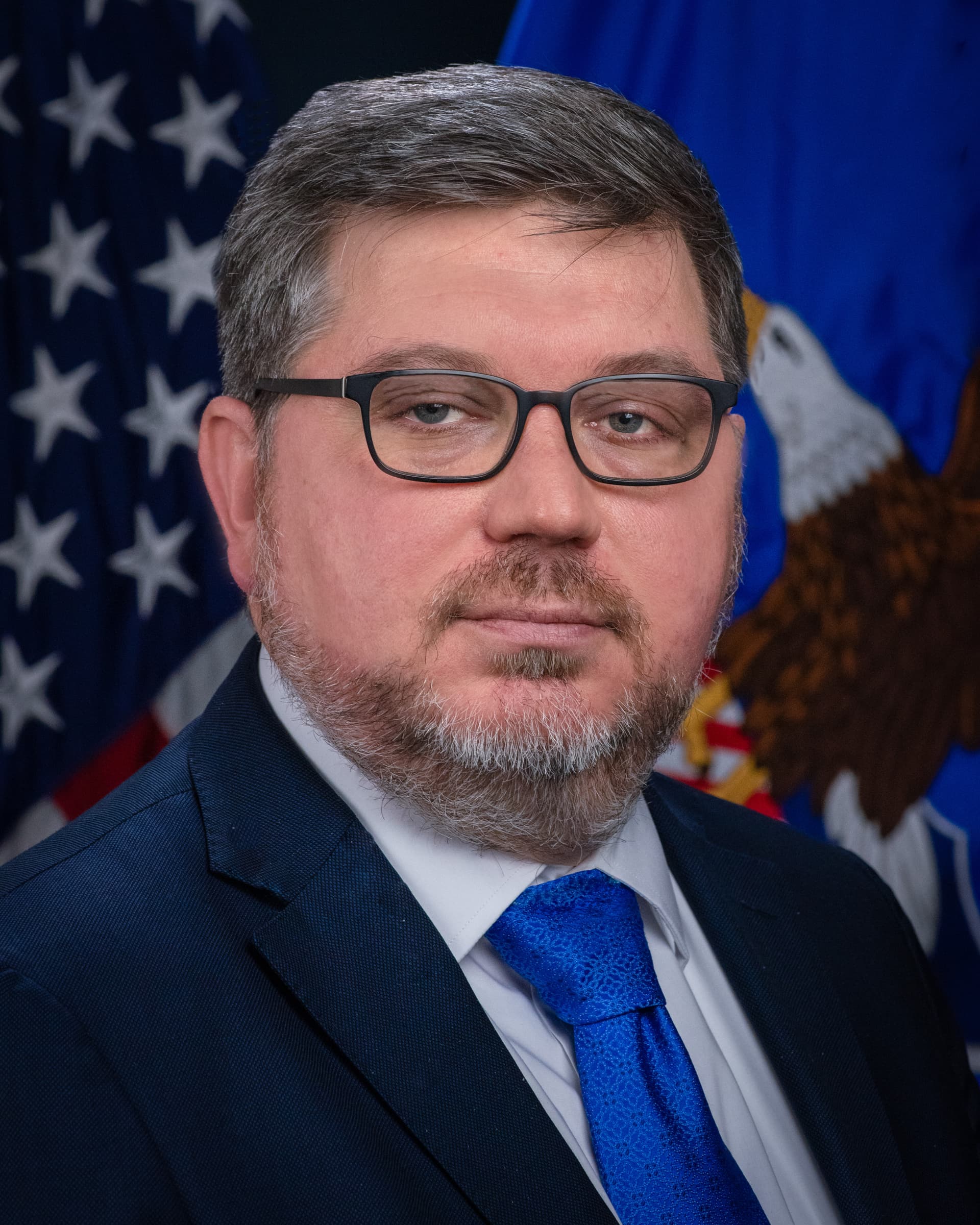
Stanley Woodward has been put in charge of the Justice Department’s antitrust division, a move that shifts one of Washington’s most consequential competition shops toward an official already sitting near the top of the department’s hierarchy. The change gives Todd Blanche’s office tighter control over merger reviews, civil antitrust suits and criminal price-fixing cases at a moment when regulators are still pressing large corporations across technology, health care, media and food markets.
Woodward, who was confirmed by the Senate as associate attorney general in October 2025, already oversees the department’s civil side, including the Antitrust Division, the Civil Division, the Civil Rights Division and the Environment and Natural Resources Division. Blanche signed a memo last week allowing Woodward to exercise the authority of the assistant attorney general for antitrust, temporarily placing him in the role normally held by a Senate-confirmed antitrust chief assisted by six deputy assistant attorneys general. Omeed Assefi had been serving as acting assistant attorney general before the latest change.
The appointment underscores how much of the administration’s competition policy now runs through a small circle of political leadership. Woodward came to DOJ after serving as Counselor to Attorney General Pam Bondi, and before that as Assistant to the President and Senior Counselor to Donald J. Trump at the White House. DOJ’s biography also describes him as a co-founder of Brand Woodward Law, LP, where he handled complex, high-stakes litigation.
His confirmation fight drew sharp Democratic opposition. In May 2025, Senate Judiciary Committee ranking member Dick Durbin said Woodward had helped facilitate the “dismantling and politicization” of the Justice Department, and lawmakers including Elizabeth Warren, Amy Klobuchar, Cory Booker and Richard Blumenthal questioned whether he would preserve antitrust independence from corporate influence. Those concerns now sit alongside a practical question for business: whether Woodward will keep enforcement aggressive, narrow it toward a few high-priority cases, or make it more openly political.
The division remains active enough that any leadership shift could matter immediately. DOJ and the Federal Trade Commission opened a joint public inquiry into collaborations among competitors on February 23, 2026. DOJ announced indictments on May 19, 2026 against four container manufacturing companies and seven executives in an alleged pandemic-era price-fixing scheme. On May 4, 2026, Blanche held a press conference on antitrust investigations into meatpacking operations, and on June 12, 2026, DOJ closed its investigation into the Paramount Skydance and Warner Bros. Discovery merger.
The broader signal is not a retreat from enforcement, but a centralization of it. In a division that shapes how the government treats mergers, Big Tech, labor markets and pricing behavior, who holds the pen can matter as much as the law itself.
This article was produced by Prism’s automated news system from verified source data, official records, and press releases, then run through automated quality and moderation checks before publishing. The system is built and supervised by the people who set the standards it runs under. Read our full AI policy.
Know something we missed? Have a correction or additional information?
Submit a Tip