U.S.-Iran deal extends ceasefire, leaves key terms unresolved
Oil slid and stocks rose after a reported 60-day ceasefire, but the Iran deal’s text is still unreleased and the Hormuz dispute is unresolved.
A preliminary U.S.-Iran agreement has already moved markets, even as its most important terms remain unsettled. Oil prices fell and stocks rose after news that the framework would extend the ceasefire, but the text has not been publicly released, and the biggest questions center on Iran’s nuclear program and the future of shipping through the Strait of Hormuz.
The reported framework would keep military operations halted for 60 days while technical negotiations continue. A formal signing ceremony is expected in Geneva on Friday, June 19, 2026, but the deal’s practical meaning is still being argued over in public by U.S. and Iranian officials. The Strait of Hormuz is the linchpin: it is a critical global chokepoint for petroleum transport and carries roughly one-fifth of the world’s petroleum trade, so any change in access can move energy prices far beyond the Gulf.
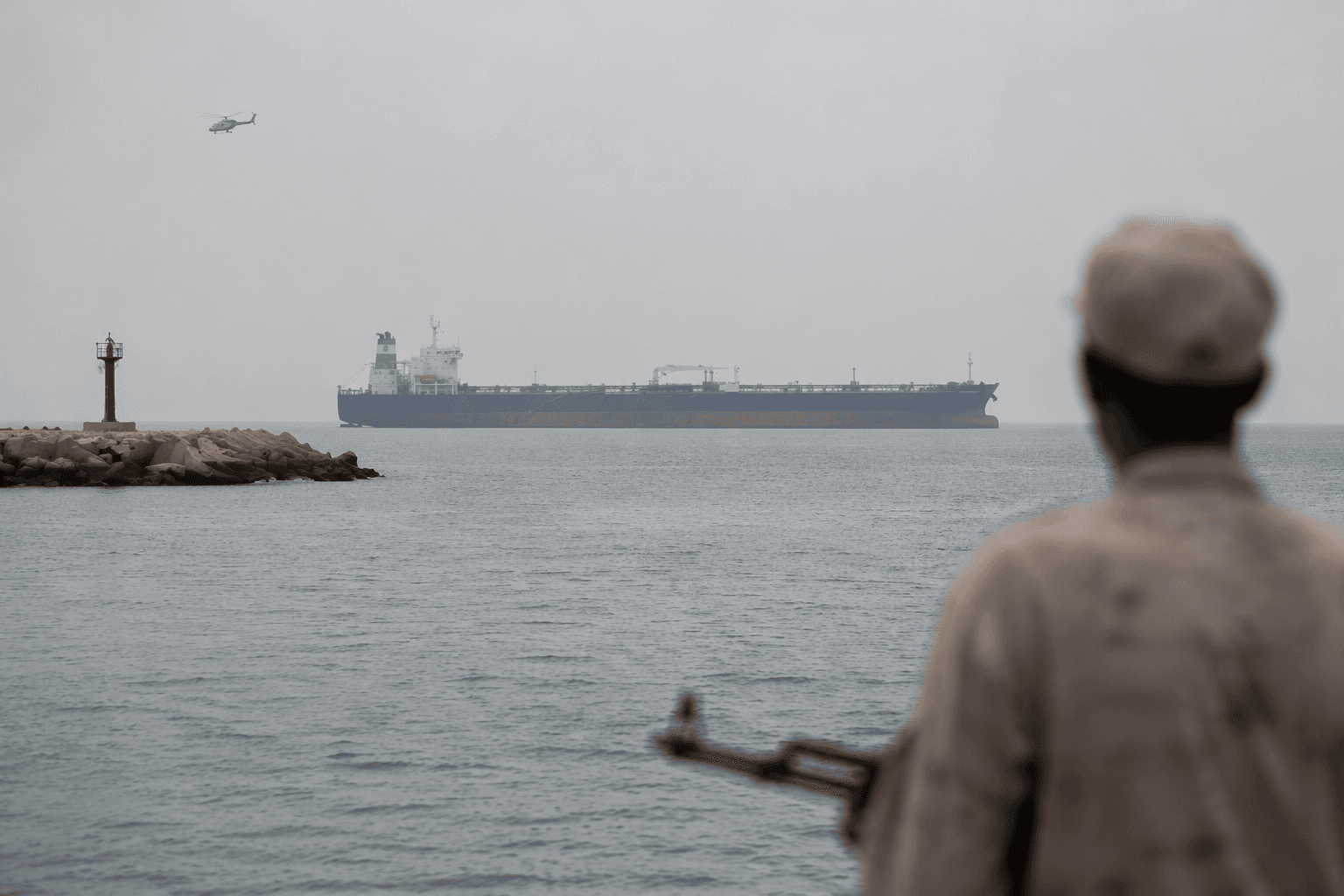
President Donald Trump said the deal with Iran was “complete” and that the strait would reopen. JD Vance was more cautious, saying technical negotiations still had to iron out the details. Iranian officials have signaled they may still seek some form of maritime fees, leaving open the possibility that shipping could resume without becoming friction-free. Reported components also include sanctions relief and questions over frozen Iranian assets, but those terms have not been laid out in a public text.
That gap between announcement and documentation is what is giving markets pause. Traders have treated the framework as a signal that a wider conflict may be avoided, at least for now, but the lack of a published memorandum of understanding means investors, shippers and energy consumers do not yet know how durable the truce will be. If the ceasefire holds and Hormuz traffic normalizes, freight costs and oil prices could ease further. If negotiations falter, the same chokepoint that calmed markets this week could become the flashpoint for a much broader regional confrontation.
This article was produced by Prism’s automated news system from verified source data, official records, and press releases, then run through automated quality and moderation checks before publishing. The system is built and supervised by the people who set the standards it runs under. Read our full AI policy.
Know something we missed? Have a correction or additional information?
Submit a Tip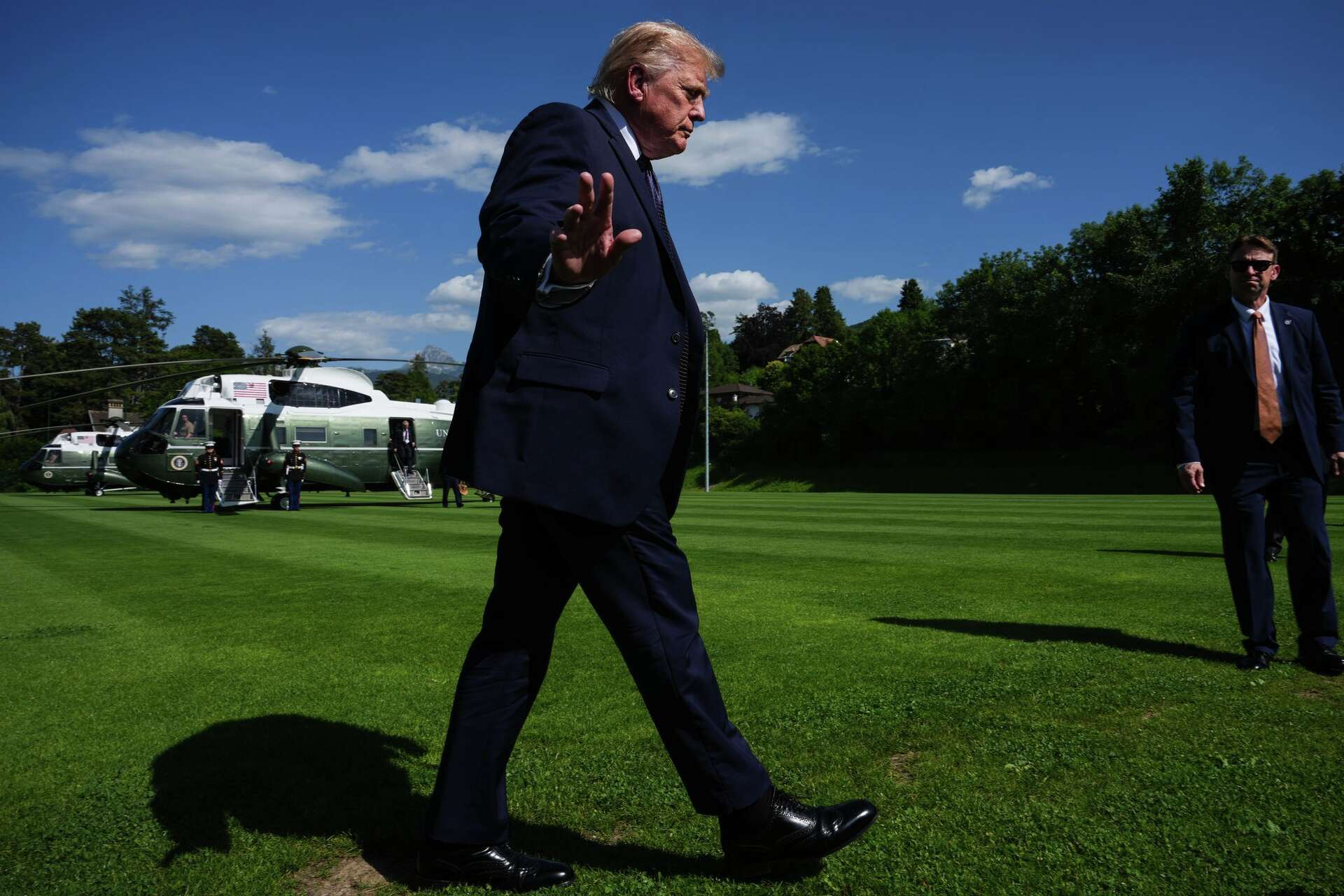
%2Ffilters%3Ano_upscale()%2Fnews%2F2026%2F06%2Fclaude-5-release%2Fen%2Fresources%2F1Anthropic-claude-1781439121938.jpg&w=1920&q=75)