Trump’s Iran deal faces skepticism and scrutiny on Capitol Hill
Capitol Hill is demanding the text of Trump’s Iran deal, and lawmakers say the unanswered questions could decide how long it lasts.
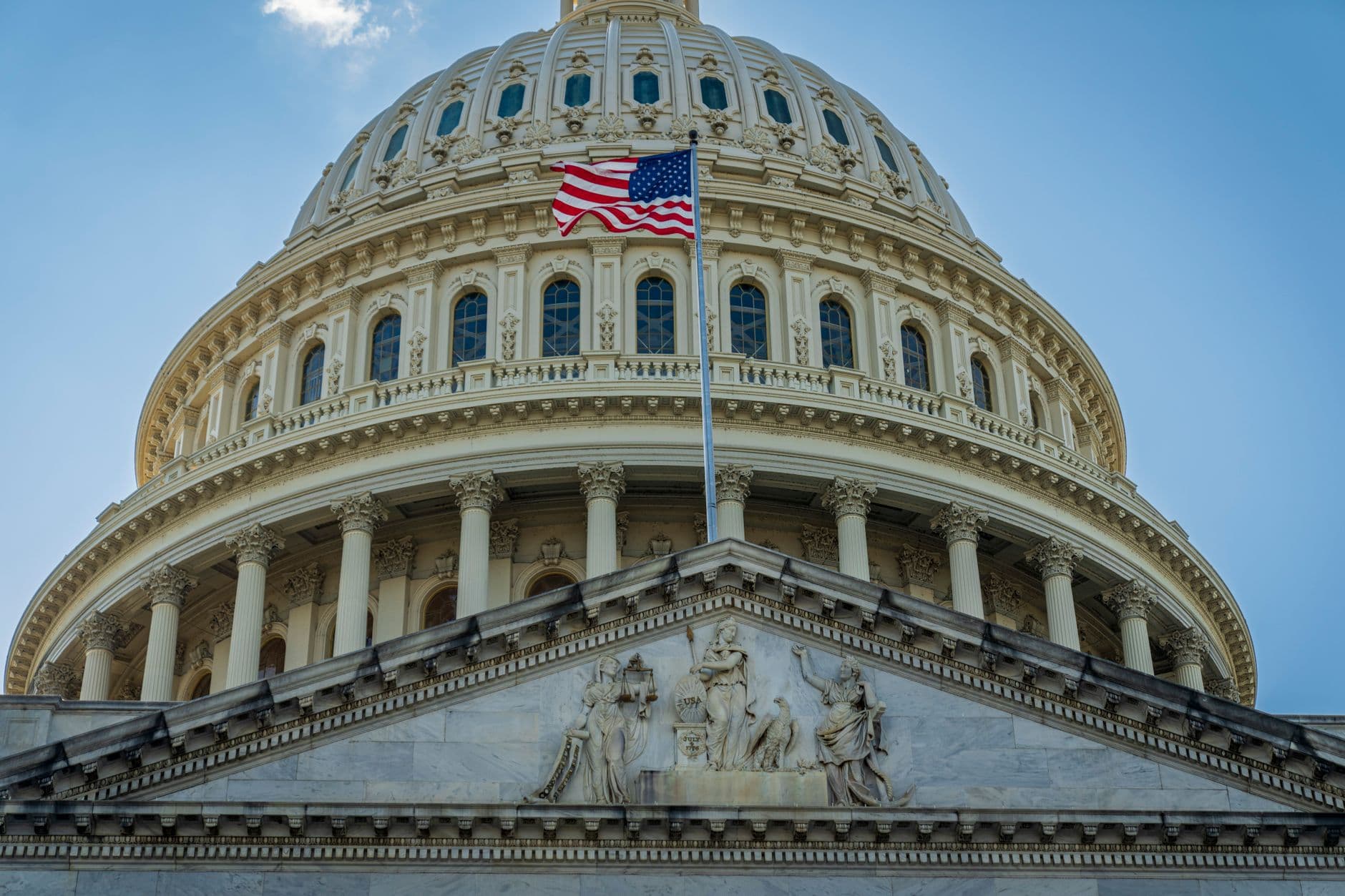
Republicans and Democrats on Capitol Hill were pressing the White House for the fine print of Donald Trump’s Iran agreement, warning that a deal announced Sunday and headed for a ceremonial signing Friday in Geneva could face immediate trouble if lawmakers are left guessing about its terms. The pact is centered on reopening the Strait of Hormuz, but the absence of publicly released text has left senators from both parties voicing concerns about sanctions relief, nuclear limits and what Washington and Tehran actually committed to do.
Sen. James Lankford said the arrangement cannot survive long term as a purely executive pact. “If you want a deal to last, it can’t be an executive agreement,” he said, arguing that Congress must vote to solidify it. That warning goes straight to the question of durability: without legislative buy-in, the agreement could be vulnerable to the same political whiplash that has followed past Iran diplomacy.
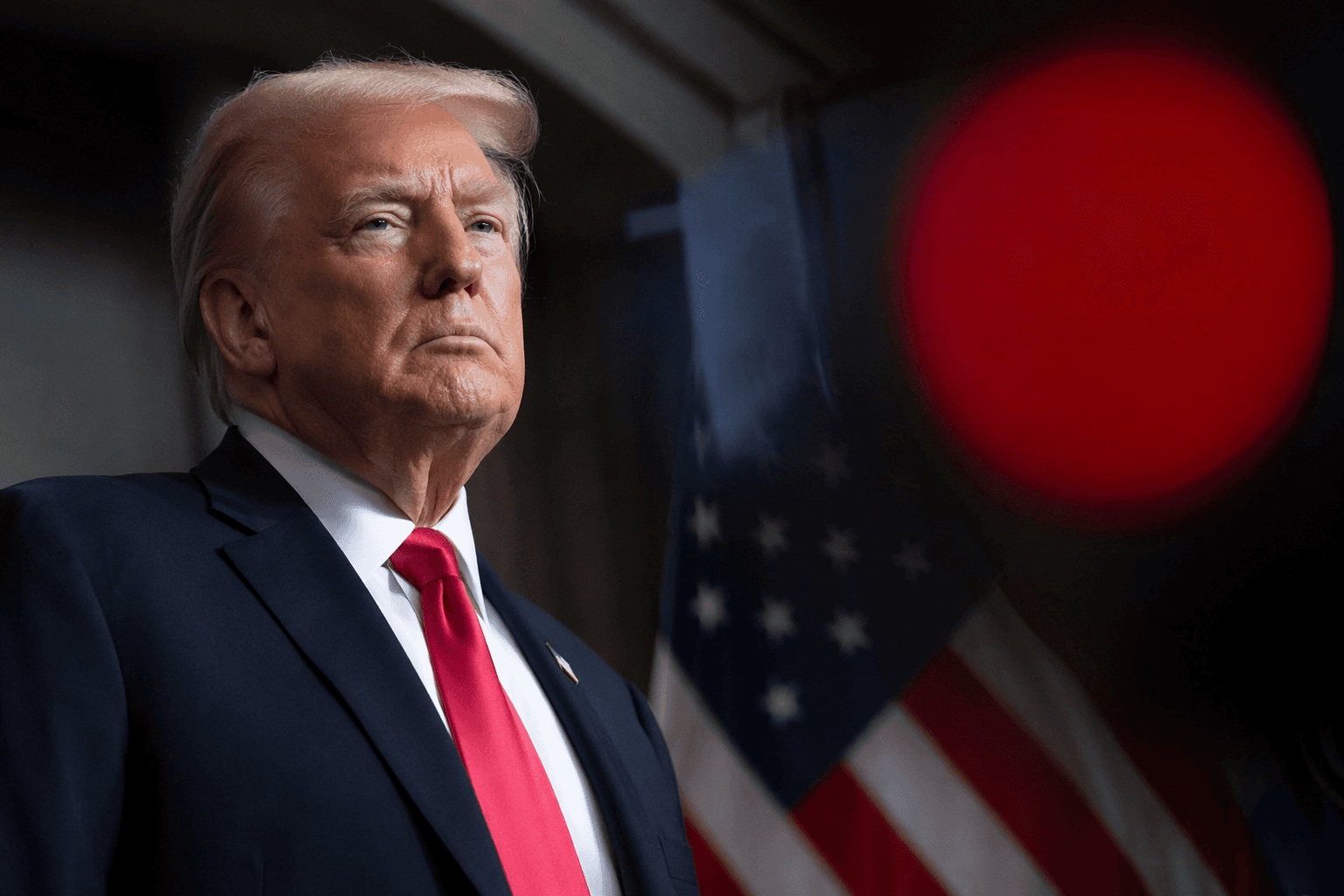
The skepticism is not confined to Democrats. Sen. Lindsey Graham said Sunday he was “concerned” that the U.S. and Iranian governments had “different” views of the deal. He said the American description sounded “really very good,” while the Iranian version sounded “awful,” and argued that any deal allowing Iran to enrich uranium anywhere would amount to the same problem as the 2015 Joint Comprehensive Plan of Action. If Iran cannot enrich, Graham said, it would be a good deal. If it can, congressional resistance could harden quickly.
The disagreement over the deal’s meaning is already shaping its political risk. A senior administration official said Friday that the prospective agreement would reopen the Strait of Hormuz, lift the U.S. blockade on it, dismantle Iran’s nuclear program, transfer and destroy enriched nuclear material, and create an inspection regime for long-term enforcement. The same official said the parties would enter a 60-day period for technical negotiations on unresolved points, and that Iran would receive economic rewards only if it complied with its obligations. But other reporting has said Tehran and Washington appear to be describing different terms, including Iranian claims that billions in assets would be unfrozen and oil sanctions suspended before talks conclude.
The White House said it expected the memorandum of understanding to be released no later than Friday, but the larger problem is political precedent. Congress reviewed the 2015 nuclear deal under the Iran Nuclear Agreement Review Act, and Trump later withdrew from that agreement in his first term. With lawmakers now demanding briefings and details, the new accord may be headed into the same congressional fault lines that helped shape, and eventually strain, the last Iran deal.
This article was produced by Prism’s automated news system from verified source data, official records, and press releases, then run through automated quality and moderation checks before publishing. The system is built and supervised by the people who set the standards it runs under. Read our full AI policy.
Know something we missed? Have a correction or additional information?
Submit a Tip%2Ffilters%3Ano_upscale()%2Fnews%2F2026%2F06%2Fclaude-5-release%2Fen%2Fresources%2F1Anthropic-claude-1781439121938.jpg&w=1920&q=75)