Denmark and NATO pledge stronger Arctic deterrence after Greenland dispute
Denmark and NATO have agreed to boost Arctic deterrence and security after diplomatic turbulence sparked by U.S. comments about Greenland.
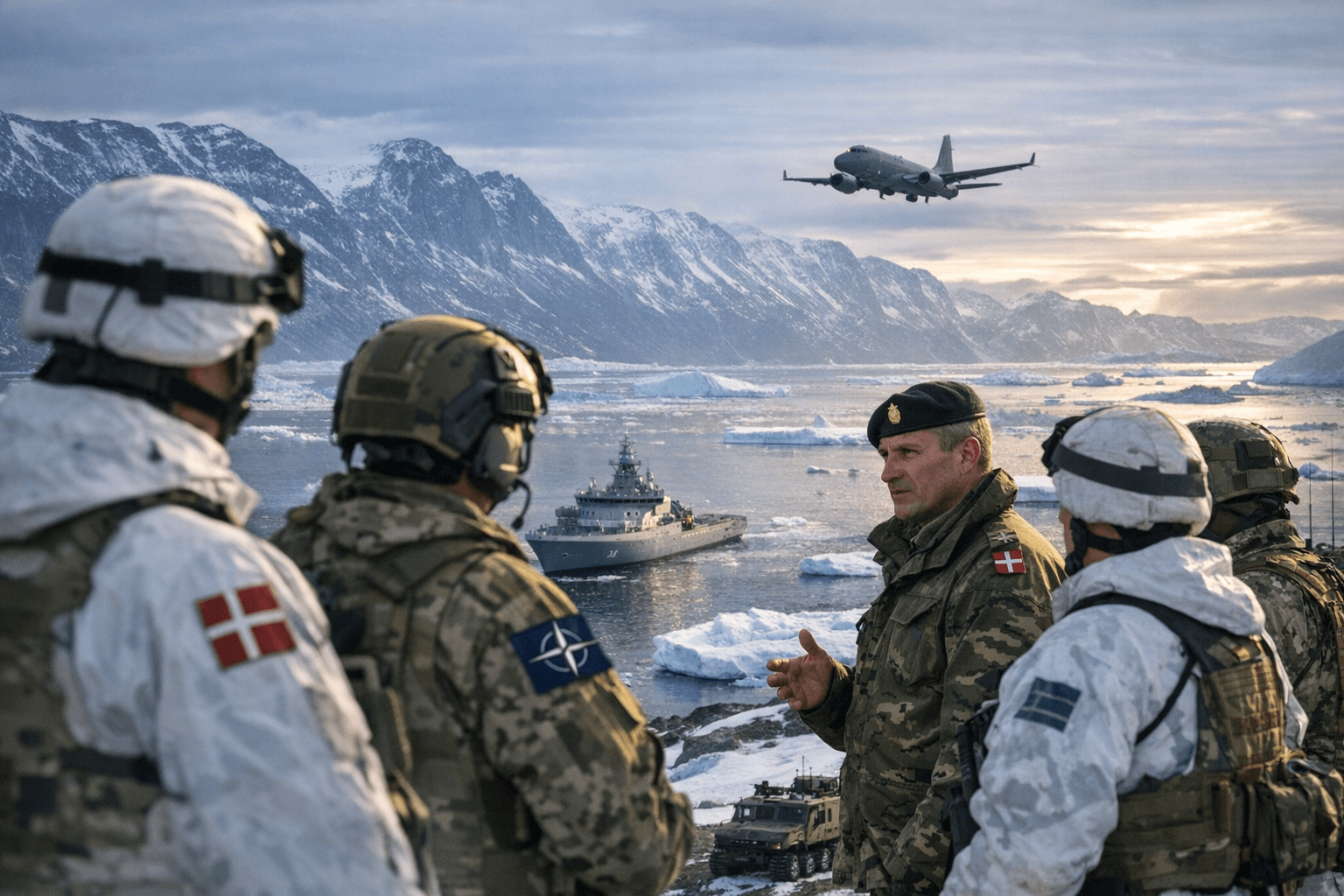
Denmark’s prime minister Mette Frederiksen and NATO Secretary-General Mark Rutte have agreed today that the alliance must increase its focus on Arctic deterrence and security following a week of diplomatic turbulence triggered by U.S. comments about Greenland. The leaders framed the move as a strategic response to shifting geopolitics in the high north and as a signal of alliance unity in a sensitive region.
The agreement, announced after their talks, emphasizes a sharper collective posture in the Arctic where melting ice, new sea routes and expanding interests from external powers have transformed long-standing security calculations. Frederiksen and Rutte said NATO should step up attention to the region’s surveillance, infrastructure and cooperative defense planning, signaling a shift from occasional exercises to sustained attention by the alliance.
The decision comes amid heightened scrutiny of how NATO members coordinate defense responsibilities that intersect with national sovereignty and local governance, particularly in territories with indigenous populations and autonomous institutions. Greenland is part of the Kingdom of Denmark and Danish authorities retain responsibility for defense and foreign affairs, but the episode has underscored the necessity of closer consultation with Greenlandic leaders and communities as strategic choices are made.
Analysts say the move reflects familiar strategic drivers: Russia’s enhanced Arctic military posture, Beijing’s economic and scientific outreach to polar states, and the commercial promise of Arctic shipping corridors as sea ice recedes. For NATO, the challenge is to translate broad recognition of those trends into credible deterrence, a mix of persistent surveillance, exercises with Arctic-capable forces, and investments in ports, air bases and radar coverage that can operate in extreme conditions.
Beyond purely military measures, the leaders’ emphasis on the Arctic points to the complex interplay of international law, environmental change and indigenous rights. Any durable NATO presence will require compliance with United Nations Convention on the Law of the Sea frameworks, respect for Greenland’s local governance structures and careful engagement with Inuit communities whose livelihoods and cultures are directly affected by increased military activity and economic interest.
The diplomatic friction tied to comments from an ally highlighted how quickly regional sensitivities can escalate into broader alliance questions. The week of turbulence prompted calls in Copenhagen and Nuuk for clearer lines of communication with partners and for assurances that Greenlandic voices will be included in decisions that affect its territory and people.
For NATO, the immediate task is practical: convert high-level agreement into operational plans that allies can fund and sustain. That will demand consensus among a diverse membership with differing Arctic interests and capabilities. The broader test, however, will be whether the alliance can integrate security priorities with the region’s environmental and social realities, avoiding a securitized approach that neglects legal obligations and local concerns.
The leaders framed today’s agreement as a first step toward a more visible Arctic posture. Whether that commitment reshapes NATO strategy or becomes a rhetorical response to a diplomatic flare-up will depend on follow-through in the coming months and on the capacity of Denmark, Greenland and alliance partners to manage the Arctic’s strategic competition without sidelining the people who live there.
This article was produced by Prism’s automated news system from verified source data, official records, and press releases, then run through automated quality and moderation checks before publishing. The system is built and supervised by the people who set the standards it runs under. Read our full AI policy.
Did this article answer your question?