Denmark’s Premier Rebukes Trump: Stop Threatening to Seize Greenland
Denmark’s prime minister publicly rejected President Trump’s renewed assertions that the United States “needs Greenland,” calling any suggestion of annexation legally baseless and disrespectful. The exchange has ratcheted up tensions between two NATO allies, raised concerns in Nuuk, and refocused attention on the Arctic’s strategic and economic stakes.
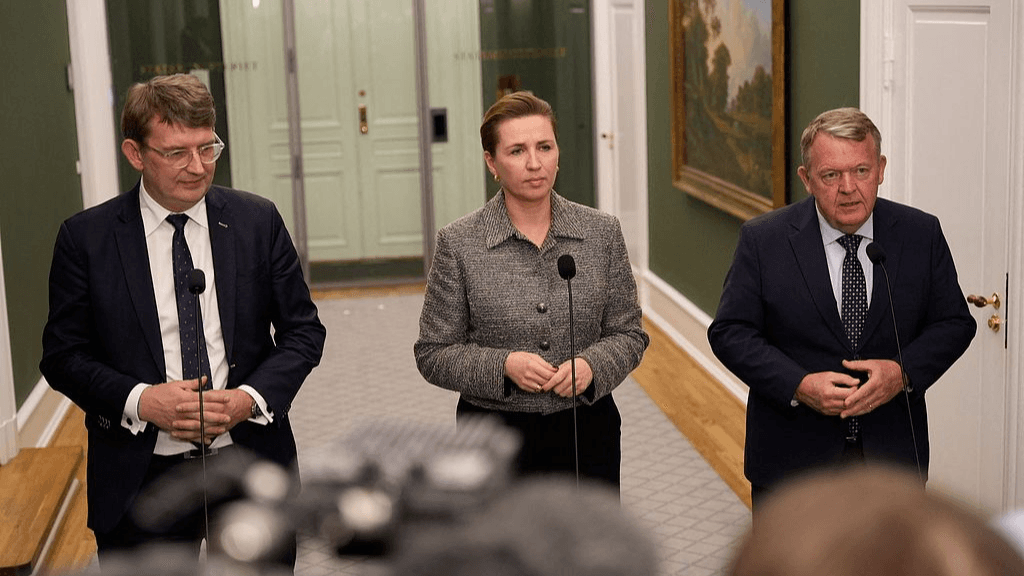
Copenhagen, Denmark’s prime minister, Mette Frederiksen, issued a forceful public rebuttal on Sunday after President Donald Trump reiterated that the United States “needs Greenland” for national security reasons. Frederiksen told the U.S. to “stop the threats,” saying that talk of American takeover “makes absolutely no sense” because Greenland is part of the Kingdom of Denmark and covered by NATO’s collective‑defense guarantee.
Trump’s comments, made in an interview with The Atlantic and later reported from Air Force One, included the lines “We do need Greenland, absolutely” and “We need Greenland from the standpoint of national security, and Denmark is not going to be able to do it.” Those remarks revived a fraught diplomatic flashpoint and prompted a swift response from Copenhagen and leaders in Nuuk, where officials said the comments were disrespectful to Greenlanders and to a long‑standing allied relationship.
Frederiksen stressed that Denmark already maintains bilateral defence arrangements with the United States that “give the United States wide access to Greenland,” citing existing cooperation and facilities that have long underpinned U.S. military activity in the region. The prime minister added that “the Kingdom of Denmark, and thus Greenland, is part of NATO and is therefore covered by the alliance’s security guarantee,” framing any unilateral U.S. move as legally untenable and strategically unnecessary.
Greenland’s government, representing a self‑governing territory of roughly 56,000 people, criticized related behaviour on social media. Jens‑Frederik Nielsen, the Greenlandic prime minister, called a provocative post by Katie Miller, which depicted Greenland colored with a U.S. flag and the single word “SOON”, “disrespectful.” The post, and its association with senior White House officials, compounded concerns in Nuuk that rhetoric rather than policy was driving public perceptions and inflaming local sensitivities.
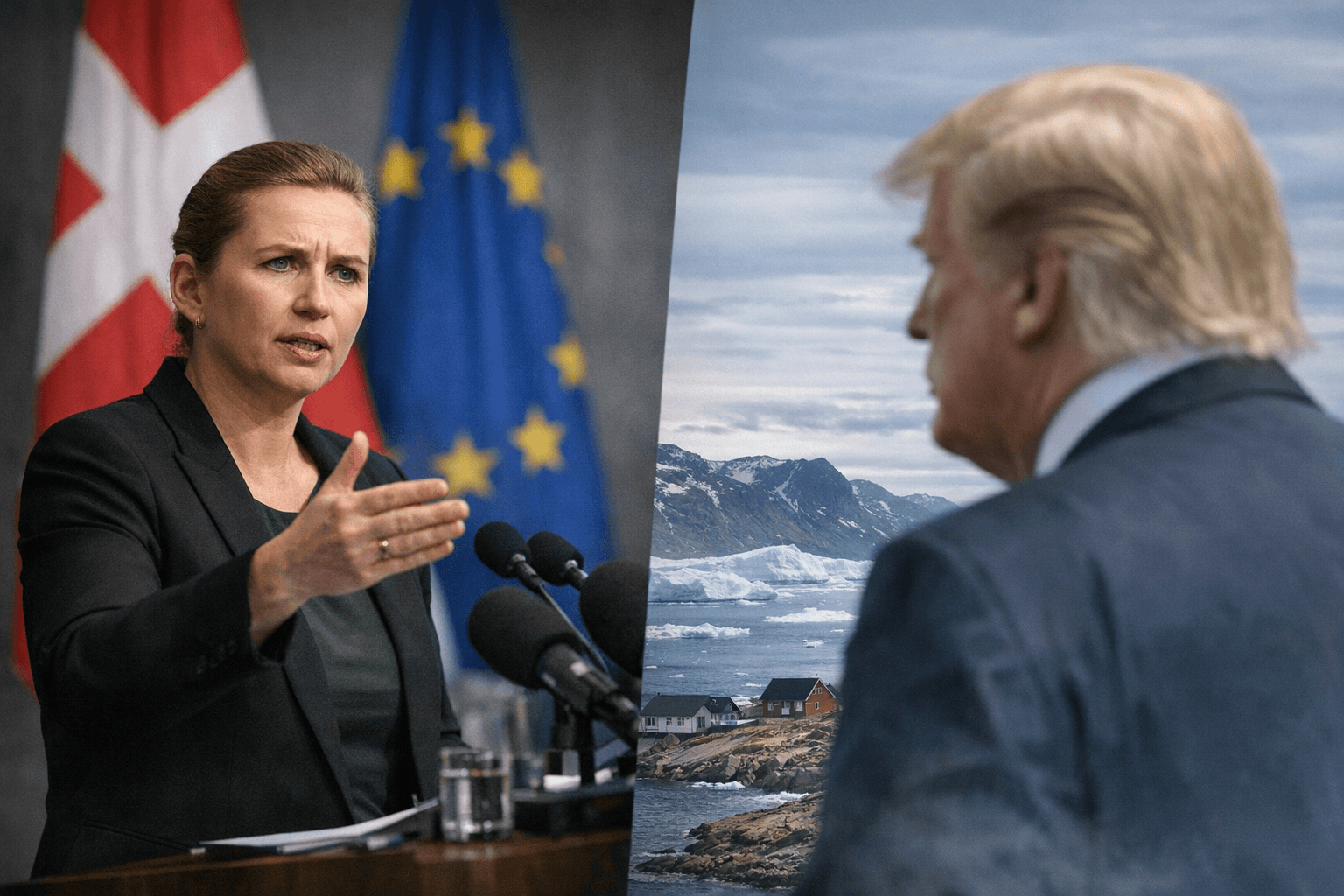
The dispute comes amid heightened U.S. activity in the wider region and reporting by some outlets that a U.S. operation had captured Venezuelan leader Nicolás Maduro the previous day. Those reports remain attributed to specific outlets and subject to further verification, but they provided a backdrop for Washington’s more assertive public posture on strategic territories.
Beyond immediate diplomatic strain, the episode spotlights competing strategic and economic interests in the Arctic: defense access, satellite and early‑warning facilities such as Pituffik Space Base in northern Greenland, and potential long‑term economic opportunities as Arctic ice retreat opens shipping routes and resource prospecting. Frederiksen’s statement underscored that existing arrangements already address many U.S. security needs without any transfer of sovereignty, a line meant to reassure allies and markets that legal and alliance frameworks remain intact.
For markets and policy makers, the clash highlights a new source of geopolitical risk in the Arctic. Investors weighing extraction projects or infrastructure in Greenland and the broader region may face heightened political uncertainty, while NATO partners will confront renewed pressure to clarify the alliance’s role in stabilizing strategic but sensitive territories.
This article was produced by Prism’s automated news system from verified source data, official records, and press releases, then run through automated quality and moderation checks before publishing. The system is built and supervised by the people who set the standards it runs under. Read our full AI policy.
Did this article answer your question?


