Derbyshire officer investigated over alleged AI-fabricated evidence
A Derbyshire officer is under criminal investigation over AI-made evidence, a case that could trigger reviews of prosecutions as PoliceAI expands.
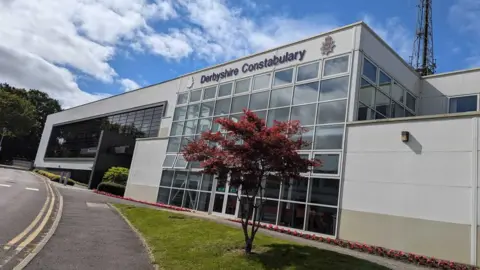
The most serious risk in Derbyshire is not simply misconduct by one officer, but the possibility that alleged AI-fabricated material entered the criminal justice system and weakened the integrity of cases built on it. If the allegation is upheld, prosecutors, defence teams and courts may have to examine whether evidence was contaminated, whether disclosure was complete and whether any other cases need to be reviewed.
Derbyshire Police said an officer is under criminal investigation over allegations of using AI systems to create evidential material in a number of cases. The force said the suspected offence is perverting the course of justice. The officer has been removed from frontline duties while the investigation continues, and police said no arrests have been made.
The Crown Prosecution Service is working with Derbyshire Constabulary on the matter and said it is engaging with defence teams and the courts in any appropriate cases. That makes the case more than an internal discipline issue: it now sits inside the wider machinery of criminal procedure, where challenged evidence can affect charging decisions, disclosure obligations and the safety of convictions.

The case, which was reported on 12 June 2026, has been described as the first known UK case of its kind involving a police officer and alleged AI-fabricated evidence. That label matters because it suggests a new governance problem for policing: officers are gaining access to powerful generative tools faster than audit systems, courtroom standards and force-level safeguards are adapting to verify what is real.
The timing has sharpened the pressure. In the same week, the UK government launched PoliceAI, a national centre for AI in policing, backed by £75 million over three years to support responsible development, piloting and scaling of AI tools across police forces in England and Wales. The Home Office said the intended uses include transcribing 999 and 101 calls, linking crime reports and triaging non-emergency calls.

The Derbyshire investigation also lands after another high-profile policing controversy earlier in 2026, when West Midlands Police acknowledged that AI-generated false information, including a fictional West Ham v Maccabi Tel Aviv match, had been used in material tied to a decision to ban Maccabi Tel Aviv fans from an Aston Villa game. That episode led to apologies and deepened scrutiny of how police forces verify generative AI output before it influences public decisions.
Together, the Derbyshire case and the West Midlands episode point to the same institutional gap: police forces are moving quickly to adopt AI, but the rules for checking, recording and challenging its use are still catching up. In a justice system built on traceable evidence, that lag now looks like a risk that can no longer be ignored.
This article was produced by Prism’s automated news system from verified source data, official records, and press releases, then run through automated quality and moderation checks before publishing. The system is built and supervised by the people who set the standards it runs under. Read our full AI policy.
Did this article answer your question?