Detained journalist pleads for medical help from Iran’s Evin Prison
A jailed Iranian American journalist recorded a plea from Evin Prison, saying he needs medical help after coughing, back pain and dental pain worsened by the prison attack.
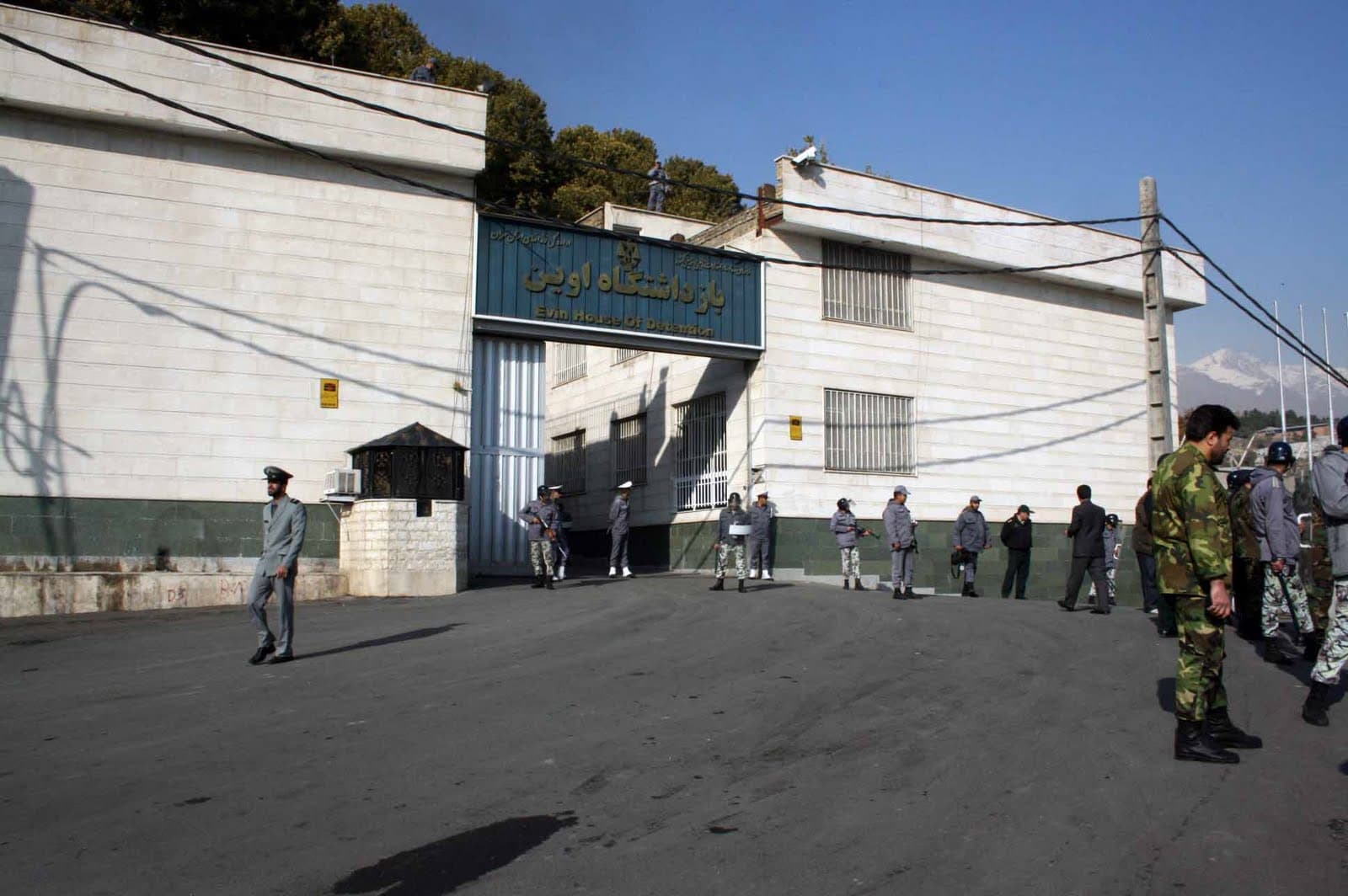
A detained Iranian American journalist has pleaded from inside Evin Prison for medical help, putting a human face on the pressure campaign surrounding Americans held in Iran. In a voice memo, Reza Valizadeh asked that his words reach the American public as he urged U.S. officials to help him and other prisoners in Tehran.
Valizadeh, 49, is a dual U.S.-Iranian citizen and former Radio Farda journalist. Iran’s Islamic Revolutionary Guard Corps arrested him on Sept. 22, 2024, and an Iranian court sentenced him to 10 years in prison in December 2024 on charges of collaborating with a hostile government. The State Department condemned that sentence, and his case was later taken before the United Nations Working Group on Arbitrary Detention.
His lawyer, Ryan Fayhee, said Valizadeh has struggled to speak without coughing since the June 23, 2025 Israeli strike on Evin Prison and has also reported persistent back pain and dental problems. Human rights groups have said detainees at the prison were subjected to severe risk and mistreatment after the attack, including ill-treatment and forced disappearance, deepening concerns about the health of prisoners held there.
The plea lands in the middle of a larger diplomatic standoff. The State Department believes six Americans are detained in Iran, and separate reporting in March 2026 said at least four U.S. nationals were known to be in the country before the Iran-Israel war escalated. Another publicly named detainee is Kamran Hekmati, 61, who was arrested in July 2025 while visiting family in Iran.
Washington has also sharpened its response. In February 2026, the State Department designated Iran a State Sponsor of Wrongful Detention, with Secretary of State Marco Rubio saying Iran has long used Americans and others as political leverage. For Valizadeh, that broader policy fight is now tied to immediate medical need inside one of Tehran’s most notorious prisons, where his survival depends on whether the outside world can force attention to what is happening behind the walls.
This article was produced by Prism’s automated news system from verified source data, official records, and press releases, then run through automated quality and moderation checks before publishing. The system is built and supervised by the people who set the standards it runs under. Read our full AI policy.
Did this article answer your question?