Detroit-bound flight diverted to Montreal amid Ebola entry restrictions
A Paris-to-Detroit flight was rerouted to Montreal after officials said a Congolese passenger boarded in error under Ebola entry restrictions.
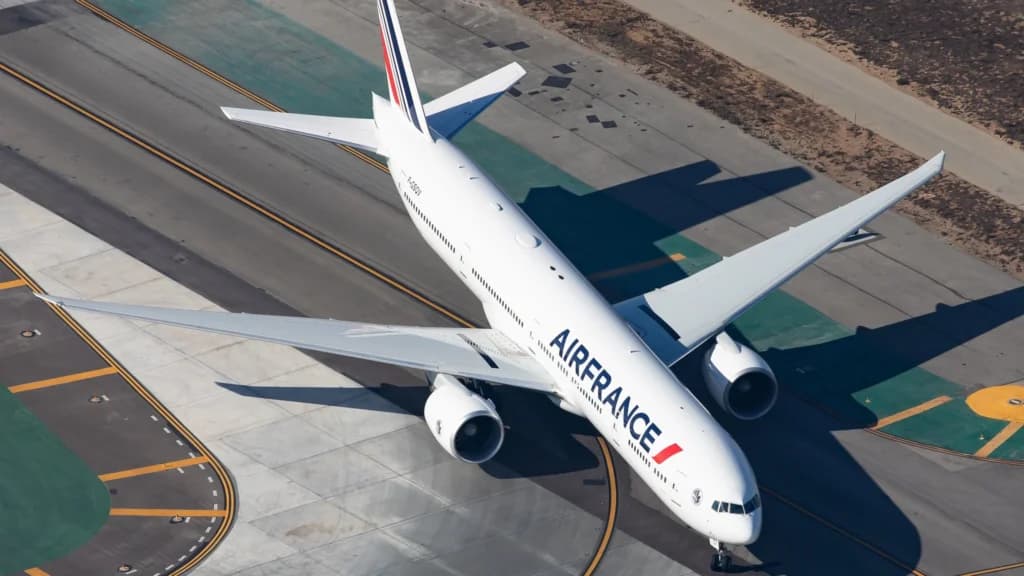
Air France Flight 378, bound for Detroit Metro Airport from Paris, was diverted to Montreal after U.S. Customs and Border Protection said a passenger from the Democratic Republic of Congo boarded in error and should not have boarded under Ebola-related U.S. entry restrictions. Air France and U.S. officials said the passenger was not believed to have Ebola symptoms, and Canadian officials later said the person was no longer in Canada.
The diversion landed in the middle of a fast-moving public-health response to an Ebola outbreak in eastern Congo. The World Health Organization said the outbreak in Ituri Province was caused by Bundibugyo virus disease, a species of Ebola, and said that as of May 16 there had been eight laboratory-confirmed cases, 246 suspected cases and 80 suspected deaths across at least three health zones. The agency also said the event met the criteria for a Public Health Emergency of International Concern.
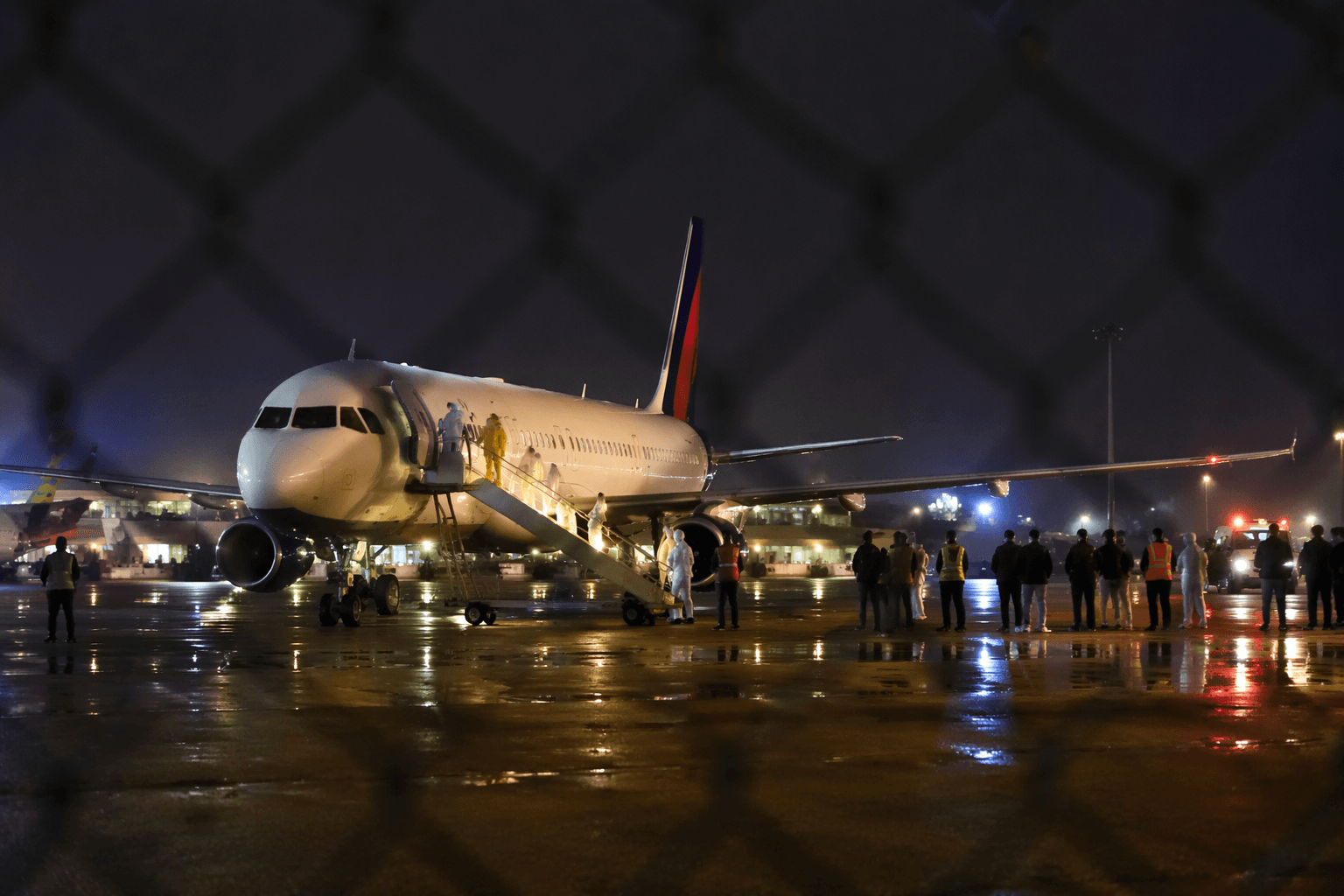
The Centers for Disease Control and Prevention said on May 21 that it was monitoring the outbreak in remote areas of the Democratic Republic of the Congo and Uganda. The agency said no Ebola cases had been confirmed in the United States from this outbreak and said the overall risk to the American public and travelers remained low. That assessment is consistent with long-standing CDC guidance that commercial-flight transmission is considered unlikely when an infected person is not symptomatic, though airlines and health authorities still move quickly to trace contacts and notify passengers when exposure is possible.
Canada’s response also underscored how tightly border rules are supposed to work when a traveler may have been exposed to Ebola. The Public Health Agency of Canada says there have been no cases of Ebola disease in Canada, and under the Quarantine Act travelers who may have been exposed must tell a border services officer even if they have no symptoms. That requirement, along with U.S. entry restrictions tied to the outbreak, is designed to catch risk before a passenger reaches a connecting flight or enters the country.
The Montreal diversion showed how a single boarding error can trigger a cross-border disruption even when the health risk appears limited. What mattered most to officials was not panic over exposure, but whether screening, airline compliance and border controls had worked before a Detroit-bound flight ever left Europe.
This article was produced by Prism’s automated news system from verified source data, official records, and press releases, then run through automated quality and moderation checks before publishing. The system is built and supervised by the people who set the standards it runs under. Read our full AI policy.
Did this article answer your question?