Detroit-Windsor bridge on track to open despite Trump threat
Detroit and Windsor’s $4.7 billion cross-border bridge is still set to open June 15, after Trump’s February threat failed to derail construction. The project is now a live test of U.S.-Canada trade resilience.

The Gordie Howe International Bridge is moving into its final stretch as a $4.7 billion test of how much political pressure a major U.S.-Canada trade corridor can absorb. The six-lane crossing between Detroit and Windsor is expected to open to traffic on June 15, with a formal ribbon-cutting planned later that week, despite Donald Trump’s February threat to block it.
The timing matters because this is not just another transportation project. The bridge is designed to carry traffic between Interstate 75 in Michigan and Highway 401 in Ontario, linking two industrial hubs across one of North America’s busiest commercial borders. At about 2.5 kilometers, or 1.6 miles, the cable-stayed span is built to add redundancy and capacity to a corridor that already depends on the Ambassador Bridge and the Detroit-Windsor Tunnel.
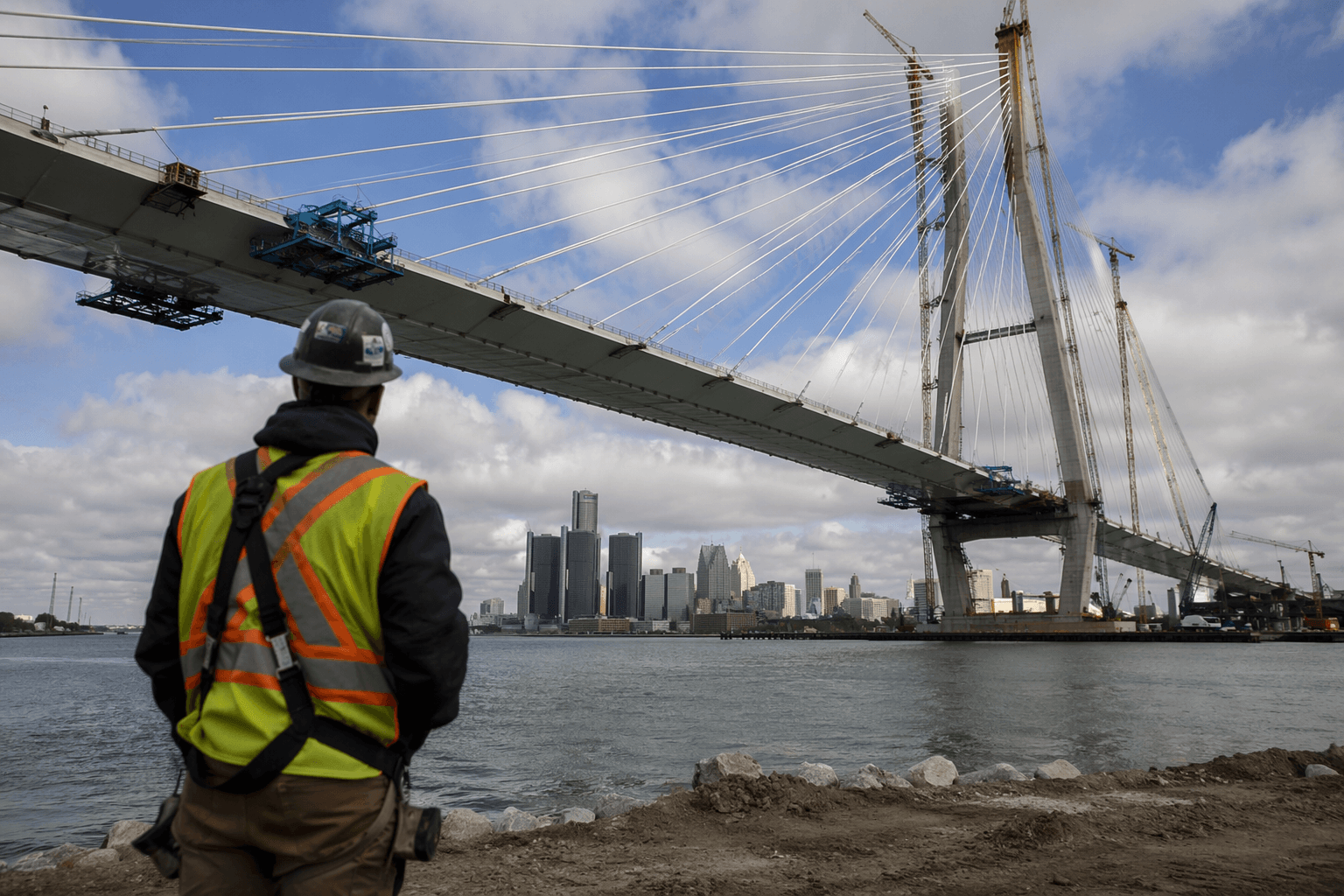
For manufacturers, shippers and border agencies, the new route is meant to do more than add lanes. Expanded border-processing facilities are part of the plan, along with a direct highway-to-highway connection that should help move people and goods more efficiently through the Windsor-Detroit gateway. In practical terms, that means another option when congestion, disruptions or security screening slow the existing crossings.
Trump’s comments in February gave the bridge a political edge unusual for an infrastructure project so close to completion. He cited Canada’s alcohol shelf policies, dairy tariffs and trade talks with China as reasons he might not allow the bridge to open. But construction has been underway since 2018, and the project’s progress has continued far enough that the debate has shifted from engineering risk to timing, leverage and symbolism.

That is what makes the bridge a stress test for bilateral economic integration. The United States and Canada depend on dense cross-border supply chains, and the Detroit-Windsor corridor is a key artery for automotive parts, industrial inputs and finished goods. A new crossing does not solve every bottleneck, but it can ease pressure on the existing routes and give businesses a more resilient option when volumes rise or one crossing is constrained.
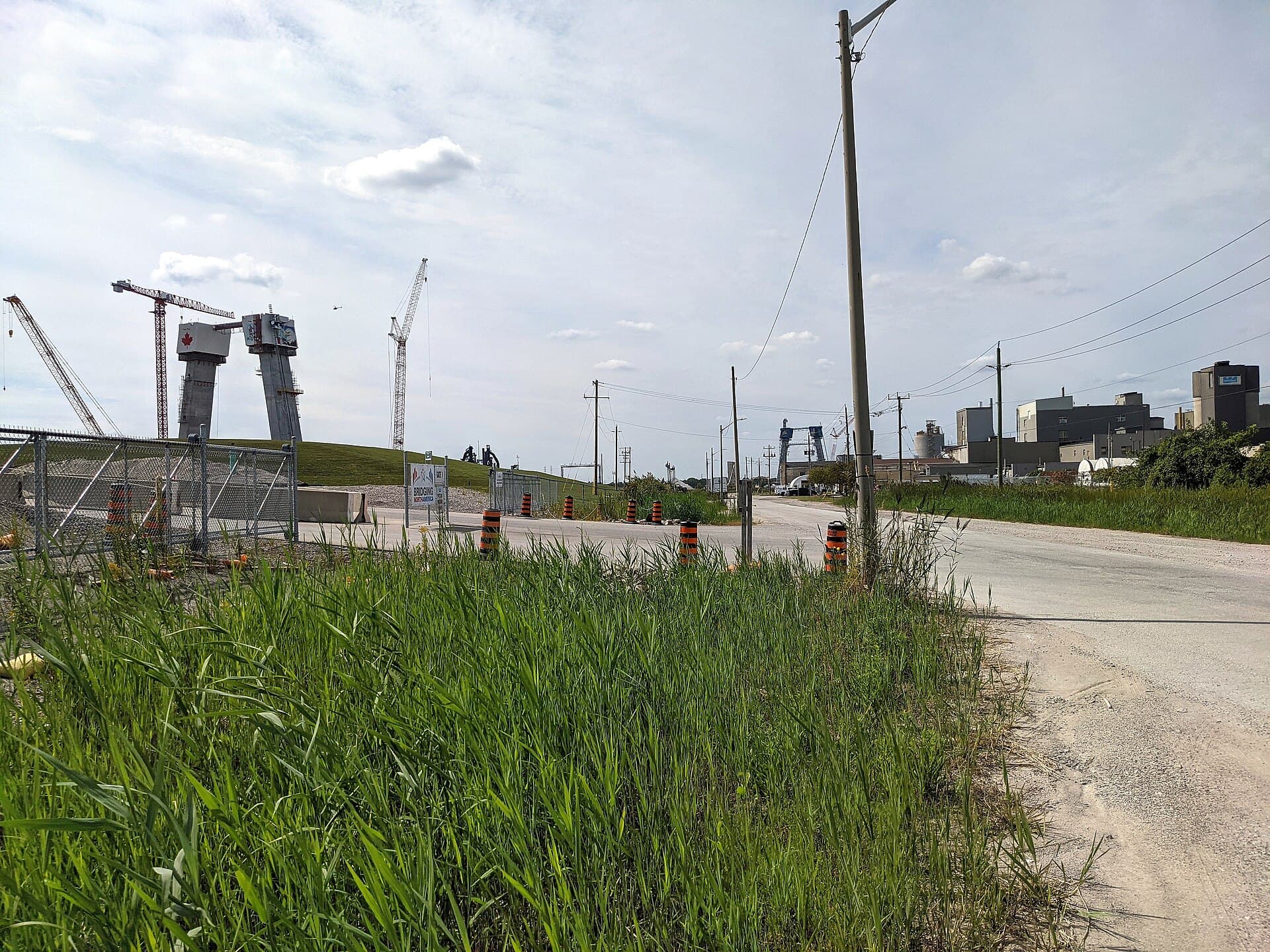
The Gordie Howe International Bridge is the third Detroit-Windsor crossing, joining the Ambassador Bridge and the Detroit-Windsor Tunnel. It is also a landmark in scale: Britannica has described it as the longest cable-stayed bridge in North America. For both governments, the opening underscores a basic reality of continental commerce: even in a period of sharper trade rhetoric, multibillion-dollar infrastructure built around actual freight demand can outlast political threats and keep moving toward the finish line.
This article was produced by Prism’s automated news system from verified source data, official records, and press releases, then run through automated quality and moderation checks before publishing. The system is built and supervised by the people who set the standards it runs under. Read our full AI policy.
Know something we missed? Have a correction or additional information?
Submit a Tip