Deutsche Bahn targets 80% punctuality by 2035 in rail overhaul
Deutsche Bahn set an 80% long-distance punctuality goal for 2035, but just over 60% of trains were on time in 2025. The overhaul depends on €23 billion in 2026 rail spending and years of rebuilding.

Deutsche Bahn has set an 80% punctuality target for long-distance trains by 2035, a goal that puts the state-owned operator’s failings in sharp relief after just over 60% of its long-distance services ran on time in 2025. Chief executive Evelyn Palla presented the target to the company’s supervisory board as part of a 10-year strategy that shifts away from the earlier Strong Rail approach and toward what Deutsche Bahn now describes as more realistic goals and facts.
The numbers show how far the operator still has to go. Deutsche Bahn paid more than €155 million in delay compensation in 2025, a costly sign of how chronic late-running has turned into both a customer-service problem and a balance-sheet issue. The 2035 promise is meant to signal improvement, but it also acknowledges that the rail network’s core weaknesses cannot be fixed quickly enough to satisfy passengers who are dealing with delays now.
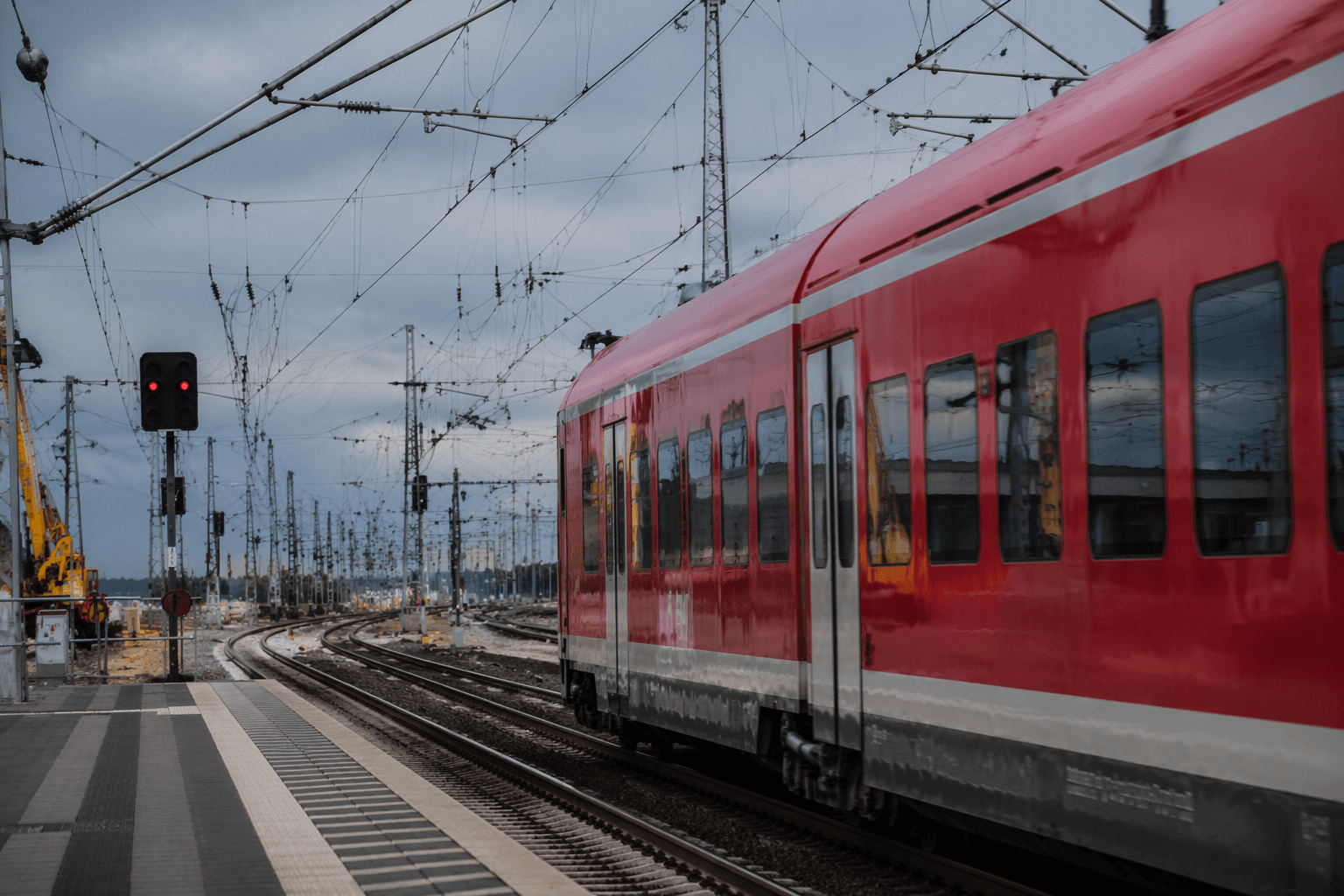
Those weaknesses are physical as much as operational. Deutsche Bahn has said punctuality has continued to decline because the infrastructure is outdated, overloaded and increasingly in need of renewal. In 2026, Deutsche Bahn and the German federal government plan more than €23 billion in rail investment, with about 28,000 construction sites expected across the network. The scale of the work underscores the state of the system: tracks, switches and signal boxes all need extensive renewal before service reliability can recover.
The new strategy is also a corporate reset. Deutsche Bahn plans annual cost savings of more than €500 million from 2028 and wants to reach operating profit of €1.7 billion by 2030. The plan calls for a slimmer holding company and more autonomy for business units, tying service recovery to tighter financial discipline. Deutsche Bahn had already supplemented Strong Rail, its strategy since 2019, with the S3 restructuring program at the end of 2024, aiming to improve infrastructure, operations and profitability by 2027.
The political pressure is no lighter. In September 2025, transport minister Patrick Schnieder launched an Agenda for satisfied customers on the railways and said the railways must be “punctual, safe and clean.” His plan set a nearer-term benchmark of 70% on-time long-distance trains by 2029, while Deutsche Bahn’s earlier aim had been to reach 70% punctuality in 2026. The new 2035 target suggests the company now expects the overhaul to take most of a decade, leaving the central test unchanged: whether Germany’s rail system can move from repeated promises to measurable reliability.
This article was produced by Prism’s automated news system from verified source data, official records, and press releases, then run through automated quality and moderation checks before publishing. The system is built and supervised by the people who set the standards it runs under. Read our full AI policy.
Did this article answer your question?