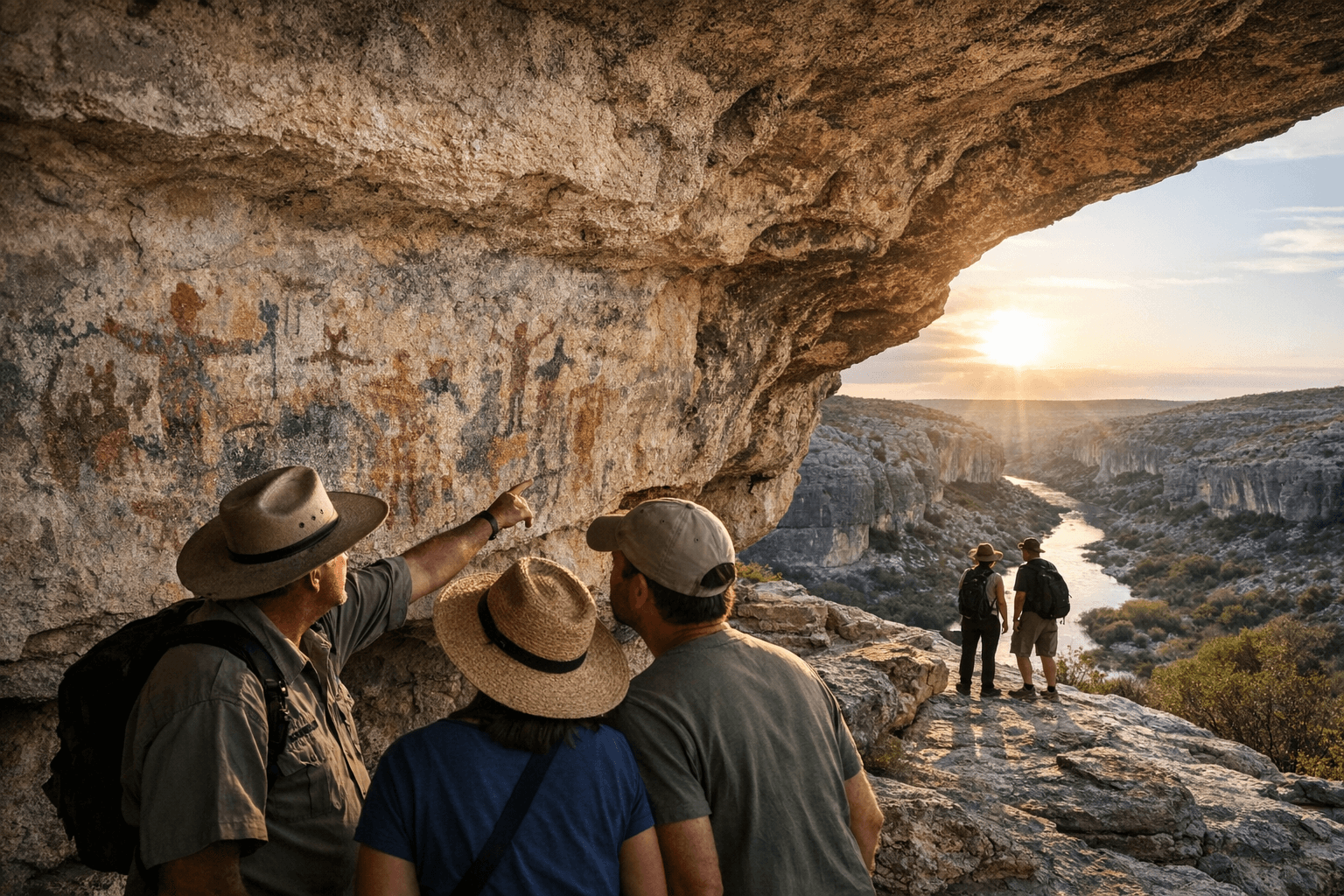
Devils River State Natural Area balances conservation and local tourism
Devils River SNA protects 37,000 acres with limited public access to preserve water quality. Visitors must reserve permits and plan for primitive, multi-day trips.
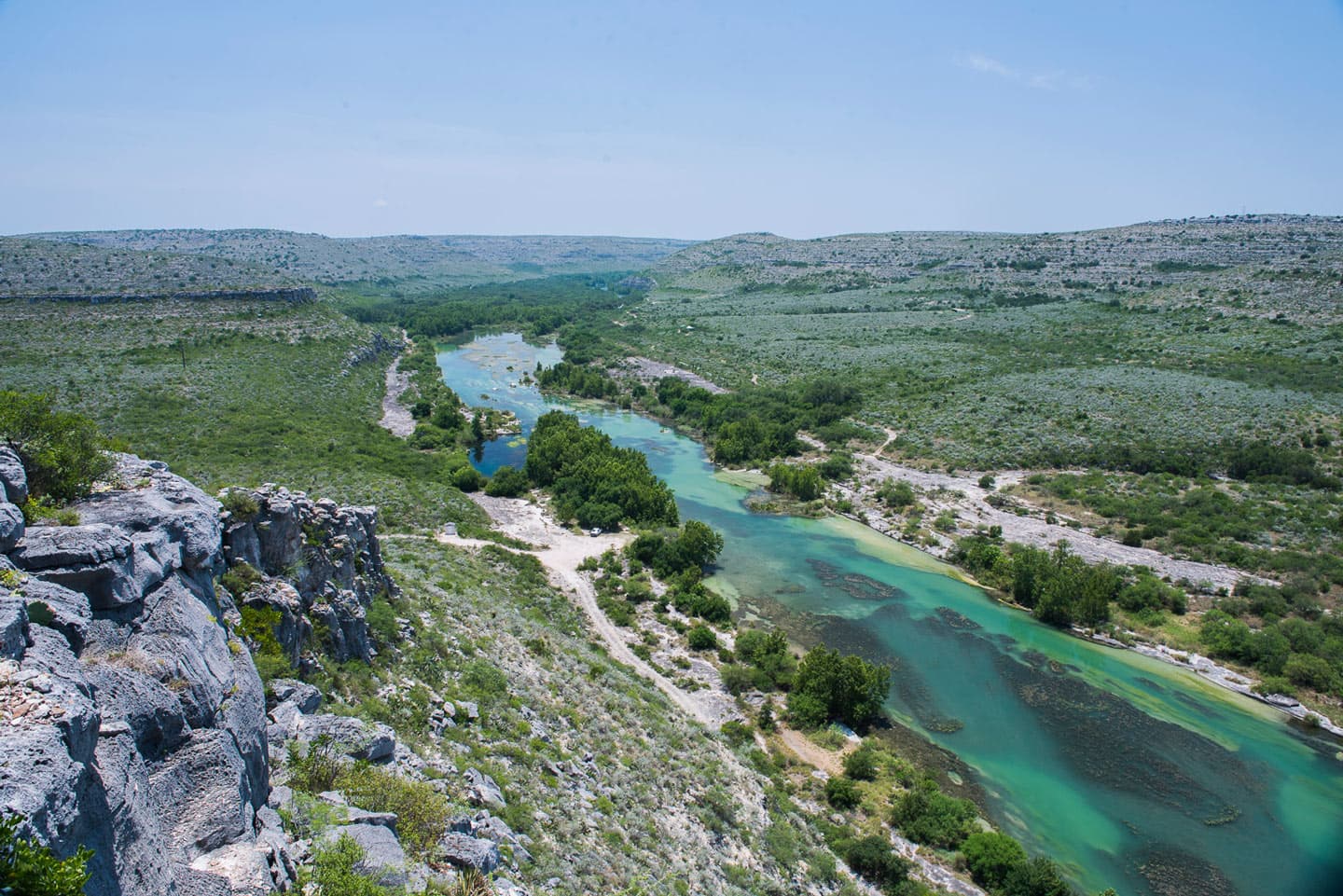
Val Verde County’s stretch of the Devils River is managed as one of Texas’s most protected river systems, covering more than 37,000 acres across two units: Del Norte and Dan A. Hughes. The site is intentionally kept low‑impact to preserve a spring‑fed river with long deep pools, riffles and canyon scenery that supports high biodiversity and several state and federally listed aquatic species.
Public access is limited by design. Visitors must reserve passes in advance and many river entry points and primitive camps require a Devils River Access Permit, or DRAP. Reservations can be made online or by calling TPWD reservation services, and a modest permit fee and a daily entrance fee, typically about $5 for visitors 13 and older, apply. Gate days and hours vary by unit and season, so travelers should confirm current gate times before heading out.
Facilities are deliberately basic. The Del Norte Unit offers a visitor center and a short hike of roughly 1/3 mile from the parking lot to the river, plus a bathhouse with showers adjacent to the center; primitive drive‑up campsites at Del Norte do not have potable water. The Dan A. Hughes Unit includes phased site improvements with primitive, walk‑in and some drive‑up sites, but primitive campsites there also lack on‑site water. Backcountry paddler camps line the river and group barracks in the Del Norte Unit provide only basic utilities.
The restrictions reflect both ecological and safety priorities. The Devils River corridor sits at the meeting point of three ecological regions, the Chihuahuan Desert, Edwards Plateau and Tamaulipan, creating habitat for breeding birds such as the black‑capped vireo and other rare species. Limited access helps preserve water quality and habitat, while Leave No Trace rules are enforced to minimize human impact.
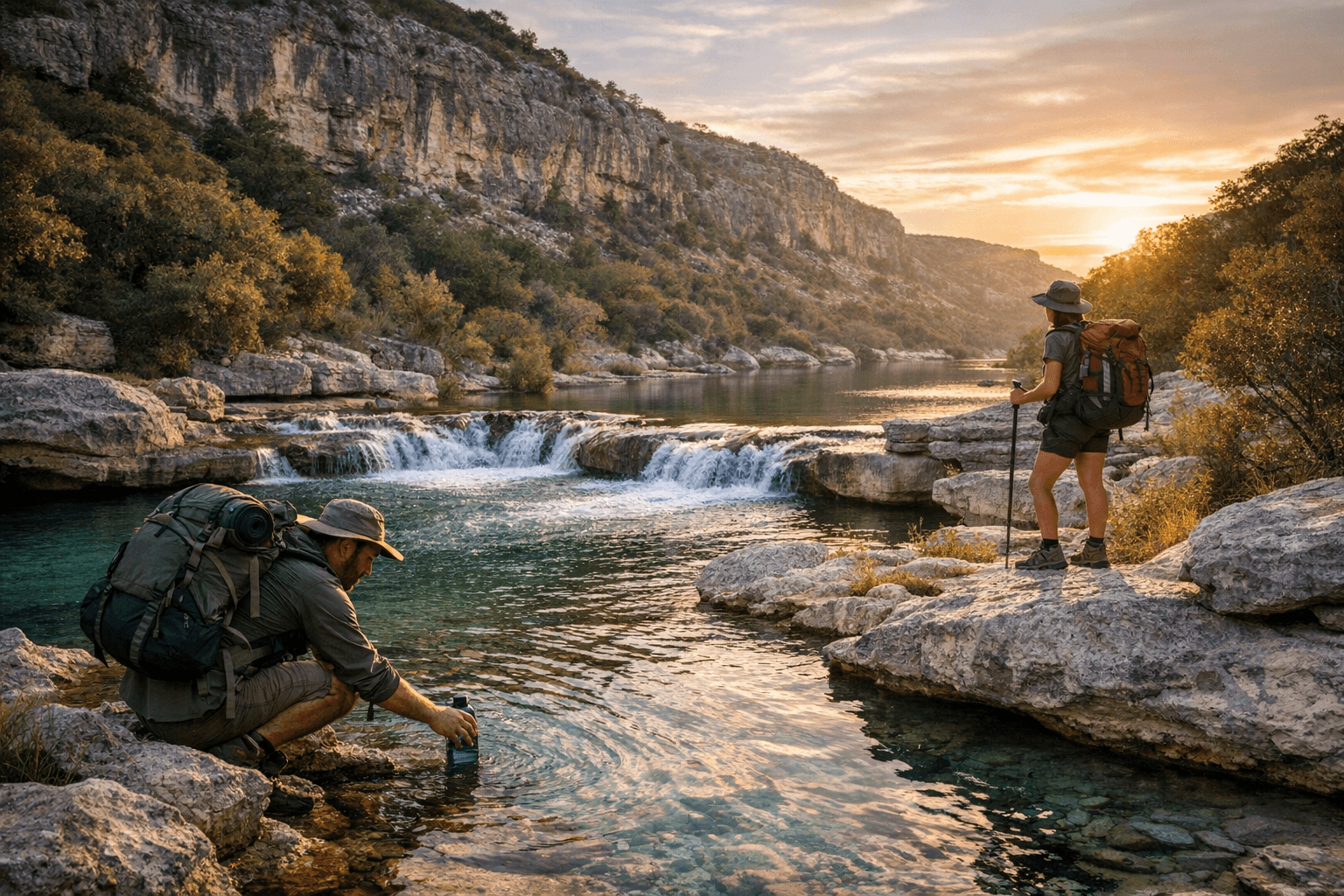
For residents and local businesses, that conservation-first model carries clear economic implications. The river draws specialized eco‑tourists, paddlers, anglers, birders, and supports local guides, outfitters and small hospitality operations that benefit from higher‑spend, low‑volume visitors. At the same time, intentionally constrained access highlights a tension for Val Verde County: how to capture broader tourism benefits without degrading the natural asset or overburdening local infrastructure.
Safety and planning are nonnegotiable for visitors. The river is remote and multi‑day paddling trips require self‑sufficiency, carry water, food, first aid, tools and reliable communications, and paddlers should consult the site’s published equipment lists and preparation guidance. Arrive in time for orientation at gated access points, pack out all trash, and minimize campfire impacts.
What this means for Val Verde County is straightforward: the Devils River is a valuable, but fragile, economic and ecological asset. Residents and businesses should plan around reservation rules and primitive conditions, and county leaders face an ongoing choice about investments to support low‑impact tourism. For anyone planning a trip, confirm permits and gate hours with TPWD reservation services and prepare for a primitive, carefully managed experience that keeps the river pristine for future generations.
Sources:
Know something we missed? Have a correction or additional information?
Submit a Tip