DHL, FedEx and UPS urge EU to delay low-value parcel rules
The EU’s €3 duty on low-value parcels would hit billions of tiny shipments, and DHL, FedEx and UPS said a rushed rollout could slow borders and raise costs.
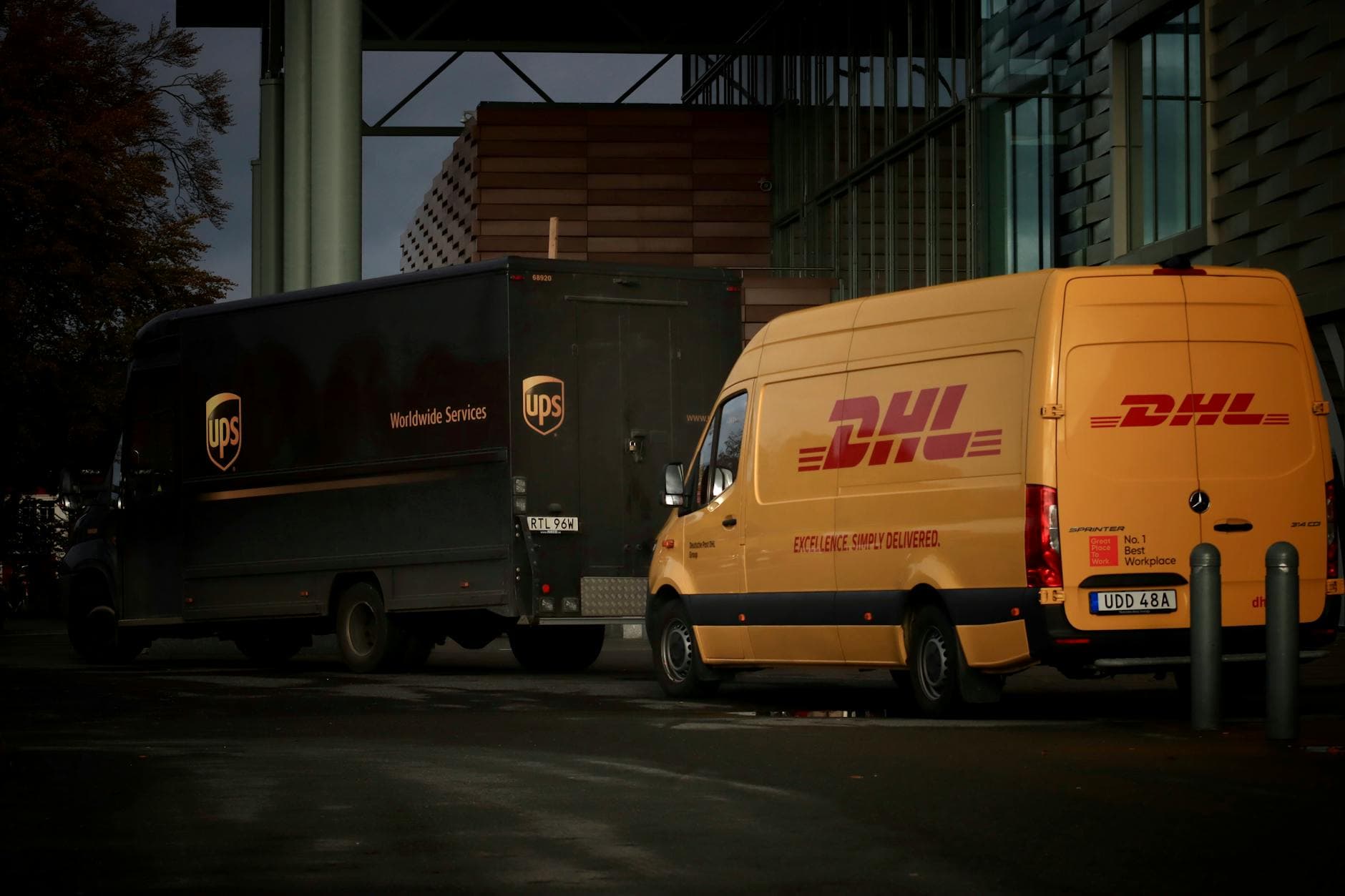
DHL, FedEx and UPS warned European Union finance ministers that a fast-moving crackdown on low-value parcels could clog border checks, slow deliveries and disrupt supplies if customs systems are not ready. In a letter, the three logistics groups said the bloc should keep the planned €3 flat-rate duty moving from July 1, but delay the more complex parts of the regime until the rules are legally certain and operationally workable.
The warning lands at the center of a fight over customs reform and consumer-commerce disruption. The European Commission says the new duty will apply to e-commerce parcels valued below €150 and is meant to bridge the gap until the EU Customs Data Hub is in place in 2028. That temporary €3 charge may sound modest, but against the Commission’s own figure for low-value imports, an average item value of €8.82 in 2025, it amounts to about 34% of the average declared value before shipping, handling and any other fees are added.

The scale of the flow explains why carriers are alarmed. The Commission says low-value consignments accounted for 97.9% of imported items in 2025, while customs authorities were processing close to 180 direct shipments into the EU every second. It also says goods bought online already make up more than 97% of customs declarations. Against that backdrop, DHL, FedEx and UPS argued that the new data requirements and administrative steps could not realistically be put in place on the timetable now envisioned.
Governments in Brussels are trying to rein in the flood of cheap parcels tied to online platforms such as Shein and Temu, and the broader customs package removes the €150 duty relief threshold for e-commerce goods. The Commission says the overhaul is its most ambitious rewrite of EU customs rules since 1968, designed to improve data sharing, risk assessment and product safety enforcement. But the carriers said there is a “real risk” that shipments would be held up without a stable framework, with knock-on effects for medical supplies, industrial production and wider supply chains.
The dispute now turns on whether the logistics firms are flagging genuine system strain or using implementation warnings to blunt a rule aimed at cheap imports. With billions of small parcels moving across the bloc each year, even a small delay in customs processing could ripple quickly from warehouses to shoppers’ doorsteps.
This article was produced by Prism’s automated news system from verified source data, official records, and press releases, then run through automated quality and moderation checks before publishing. The system is built and supervised by the people who set the standards it runs under. Read our full AI policy.
Did this article answer your question?

