DHS Funding Lapse Surpasses 44 Days, Becomes Longest Shutdown in U.S. History
The DHS shutdown hit 44 days, breaking all records. About 450 TSA officers have quit, and ICE agents are now staffing airport security lines in their place.
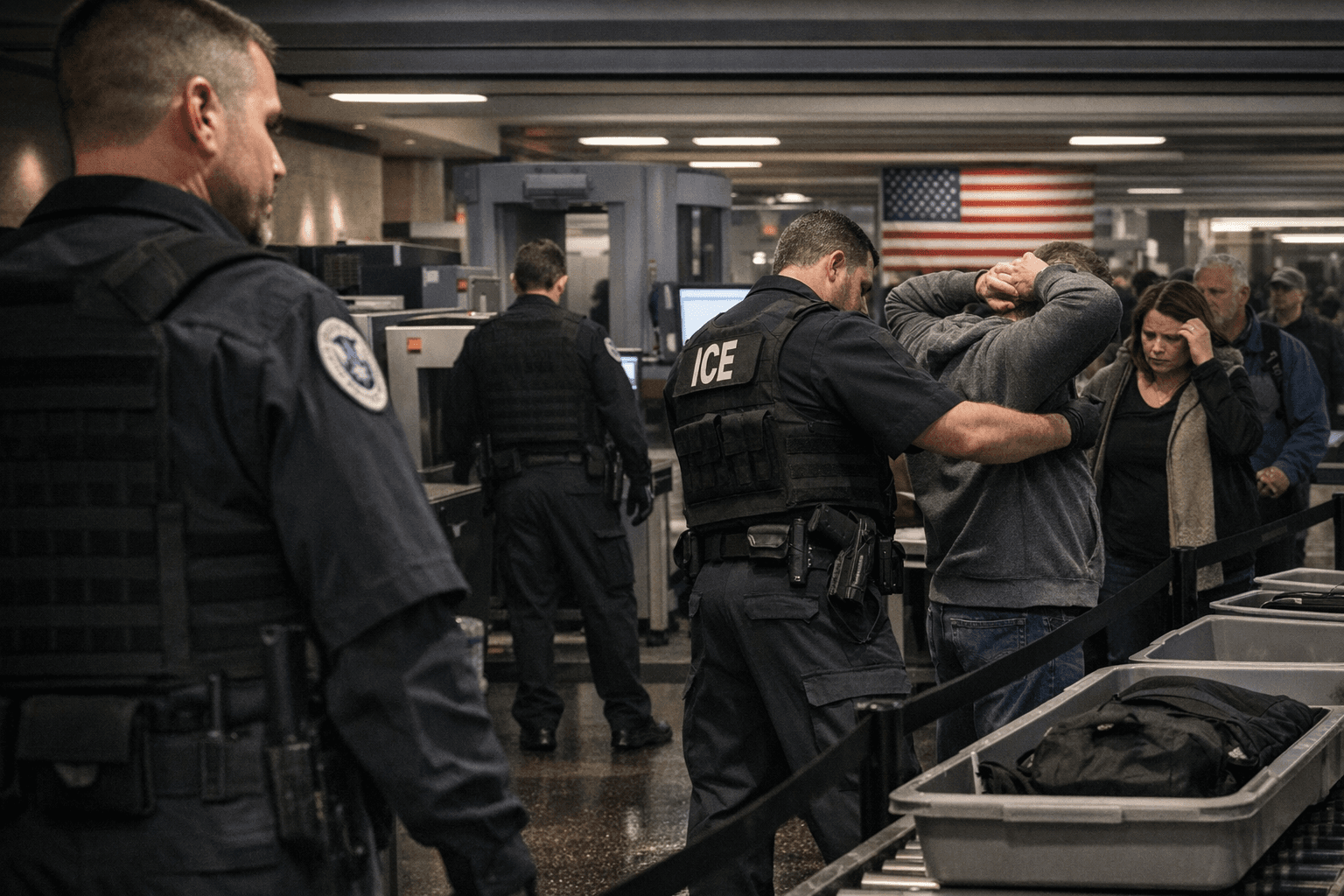
At airport security checkpoints across the country, ICE agents have taken up crowd control positions vacated by the roughly 450 TSA officers who quit since DHS funding lapsed on October 1. The administration deployed immigration enforcement personnel as a stopgap after the resignation wave drove long lines and staffing shortages nationwide, a direct consequence of a 44-day legislative stalemate that has become the longest government shutdown in U.S. history.
That record surpasses the 35-day standoff of 2018-2019, when Democrats refused to fund President Trump's southern border wall and the impasse ultimately cost an estimated $3 billion in GDP before disruptions to air travel forced a resolution. This time, the same underlying dispute over immigration enforcement, specifically over how much funding and autonomy to grant ICE and Customs and Border Protection, has proven even harder to break.
The Senate has tried and failed 14 times to pass a House-approved stopgap funding bill, each attempt falling short of the 60-vote threshold needed to advance legislation. Republicans hold a 53-47 majority, meaning any viable path forward requires Democratic buy-in. Democrats have demanded specific guardrails on immigration enforcement operations before supporting full DHS funding.
The Senate this week passed a bipartisan measure that would fund all of DHS except ICE and CBP, appearing to offer a narrow path to compromise. House Speaker Mike Johnson rejected it within hours, calling the bill "a joke." House Republicans then passed their own short-term funding measure, one the Senate has no viable path to approve. Meanwhile, the House has been out of session since the shutdown began.
Trump signaled tentative support for the Republican proposal but stopped short of a full endorsement, a posture that complicated efforts to unify the party behind a single plan. On Wednesday he blamed Democrats for the "airport's mess" and accused them of wanting the country to "do badly."
The congressional calendar makes a quick resolution nearly impossible. The Senate is scheduled out of Washington until April 13 and the House until April 14. Democrats have added a second condition to any deal: an extension of Affordable Care Act subsidies expiring at year's end, which could leave millions without health coverage. Republicans say they are open to subsidy talks, but only after the government reopens.
Of the 20 funding gaps recorded since Congress adopted the modern budget process in 1976, only three previously lasted more than two weeks. None reached 44 days. With both chambers departing for recess and no deal framework in place, the record will keep climbing before anyone in Washington returns to vote.
This article was produced by Prism’s automated news system from verified source data, official records, and press releases, then run through automated quality and moderation checks before publishing. The system is built and supervised by the people who set the standards it runs under. Read our full AI policy.
Did this article answer your question?

