DHS Partial Shutdown Becomes Longest in U.S. History at 44 Days
The DHS partial shutdown crossed 44 days on March 30, becoming the longest in U.S. history, rooted in the fatal shootings of two American citizens by federal immigration agents.
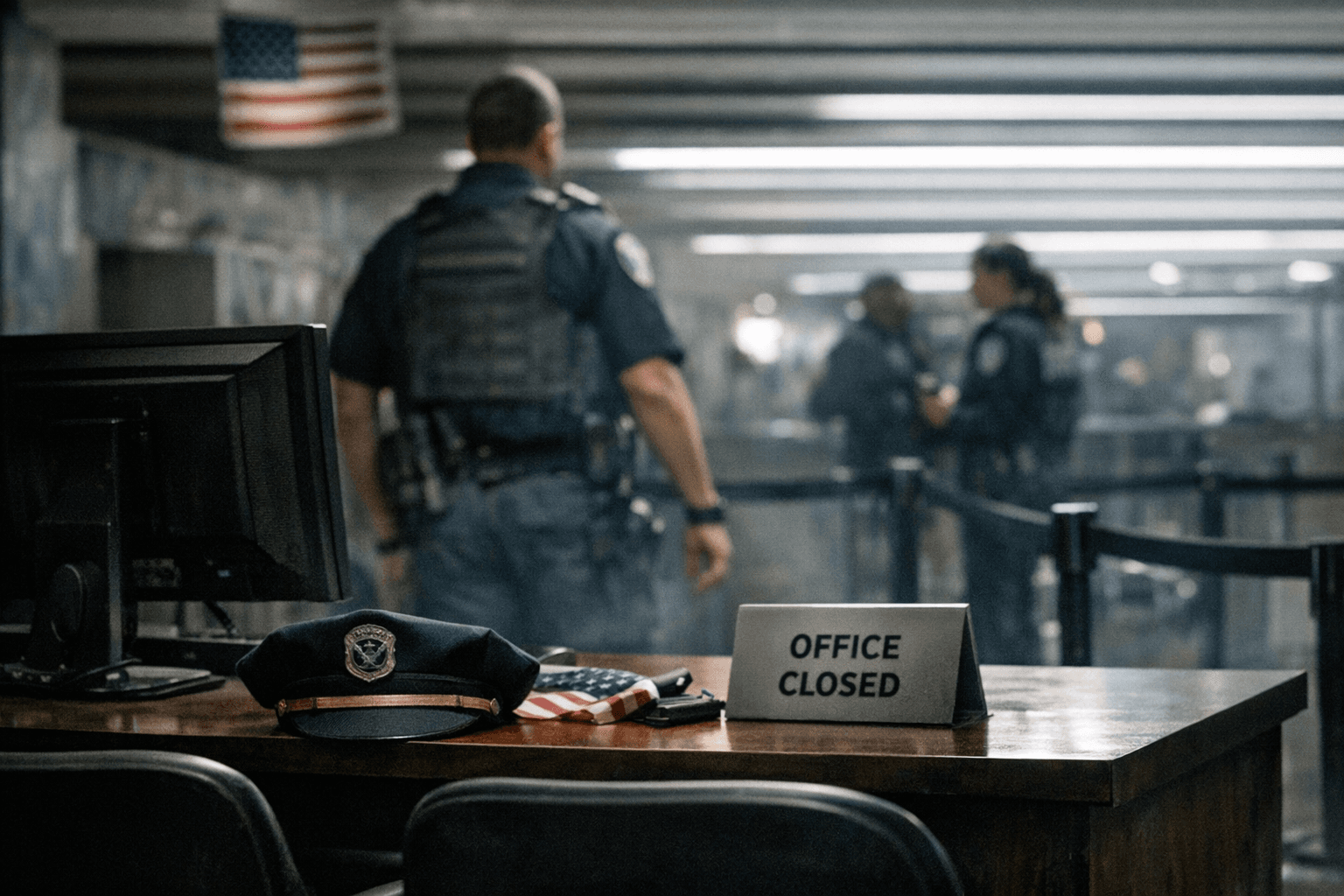
The partial shutdown of the Department of Homeland Security crossed 44 days on March 30, 2026, surpassing the previous U.S. record set just five months earlier and cementing a funding crisis rooted in the fatal shootings of two American citizens by federal immigration agents.
The shutdown began February 14, 2026, after Senate Democrats refused to authorize DHS funding without structural reforms to Immigration and Customs Enforcement and Customs and Border Protection. Their demands trace directly to Operation Metro Surge, a Minneapolis-based enforcement campaign that DHS described as "the largest immigration enforcement operation ever carried out," resulting in roughly 3,000 arrests. ICE officers fatally shot Renée Good on January 7, 2026. Seventeen days later, CBP officers killed Alex Jeffrey Pretti, a 37-year-old VA intensive care nurse, on January 24. The killings triggered immediate outrage in Minnesota and Washington, forcing a first, brief DHS shutdown before a partial agreement collapsed and the current lapse began on Valentine's Day.
The record now surpasses the full federal government shutdown of fall 2025, which ran from October 1 through November 12 and lasted 42 to 43 days. Before that, the longest U.S. shutdown on record was the 34-day closure during Trump's first term, centered on border wall funding. The 1995 to 1996 Clinton-era shutdown lasted 21 days.
The political standoff has hardened along predictable lines. Senate Republican Leader John Thune accused Democrats of "going in circles" and called their demands "nonstarters." Those demands include requirements that ICE agents use judicial warrants and refrain from wearing masks during operations. Senate Minority Leader Chuck Schumer countered that Democrats had asked Republicans nine separate times to fund TSA independently while the ICE dispute was resolved, a request Republicans declined each time.
On March 27, the Republican-led Senate passed a compromise funding bill conceding to some Democratic conditions, but House Republicans rejected it and passed a 60-day stop-gap measure, 213 to 203, with only three Democrats crossing the aisle. Congress then left Washington for a two-week recess.
The human toll inside the agency has been severe. More than 100,000 DHS employees worked without pay, including approximately 50,000 TSA officers. By late March, TSA workers had gone 87 days without pay in fiscal year 2026, with unpaid payroll approaching $1 billion. Nearly 500 TSA officers resigned during the shutdown. Johnny Jones, Secretary-Treasurer of the American Federation of Government Employees TSA Council 100, described workers who "don't have money for daycare, childcare, gas, food, and many other things."
The pressure on travelers has been equally visible. TSA callout rates spiked nationwide, reaching a single-day high of 55% at Houston Hobby International Airport on March 14. Multiple airports recorded callout rates above 40%, and security lines at some facilities stretched past three hours, causing missed flights. Trump deployed ICE agents to some airports to assist with screening, though the agents, untrained in security procedures, were widely viewed as ineffective.
Acting TSA Administrator Ha Nguyen McNeill warned Congress that workforce damage would compound even after funding resumed, noting that each new officer replacement requires four to six months of training and certification. Acting CISA Deputy Director Nicholas Andersen testified that roughly 60% of his agency's workforce had been furloughed. DHS officials also flagged World Cup 2026 security planning, FEMA disaster relief, and Coast Guard operations as increasingly at risk.
On March 27, Trump signed an executive order directing DHS Secretary Markwayne Mullin to use available funds to pay TSA agents, a move that undercut the Republican negotiating position, as the GOP had previously blamed Democrats for the TSA payment crisis. Acting TSA Assistant Secretary Lauren Bis confirmed backpay processing had begun, though workers expressed uncertainty about receiving all compensation owed.
Total economic losses from the shutdown have been estimated at $2.5 billion. With Congress on recess and no deal scheduled, the record this shutdown now holds is likely to grow considerably longer before a resolution is reached.
This article was produced by Prism’s automated news system from verified source data, official records, and press releases, then run through automated quality and moderation checks before publishing. The system is built and supervised by the people who set the standards it runs under. Read our full AI policy.
Did this article answer your question?

