DHS shutdown slows World Cup security planning as 2026 kickoff nears
A DHS funding lapse has slowed World Cup security planning for a 48-team tournament spread across 16 host cities, even after FEMA moved $625 million.
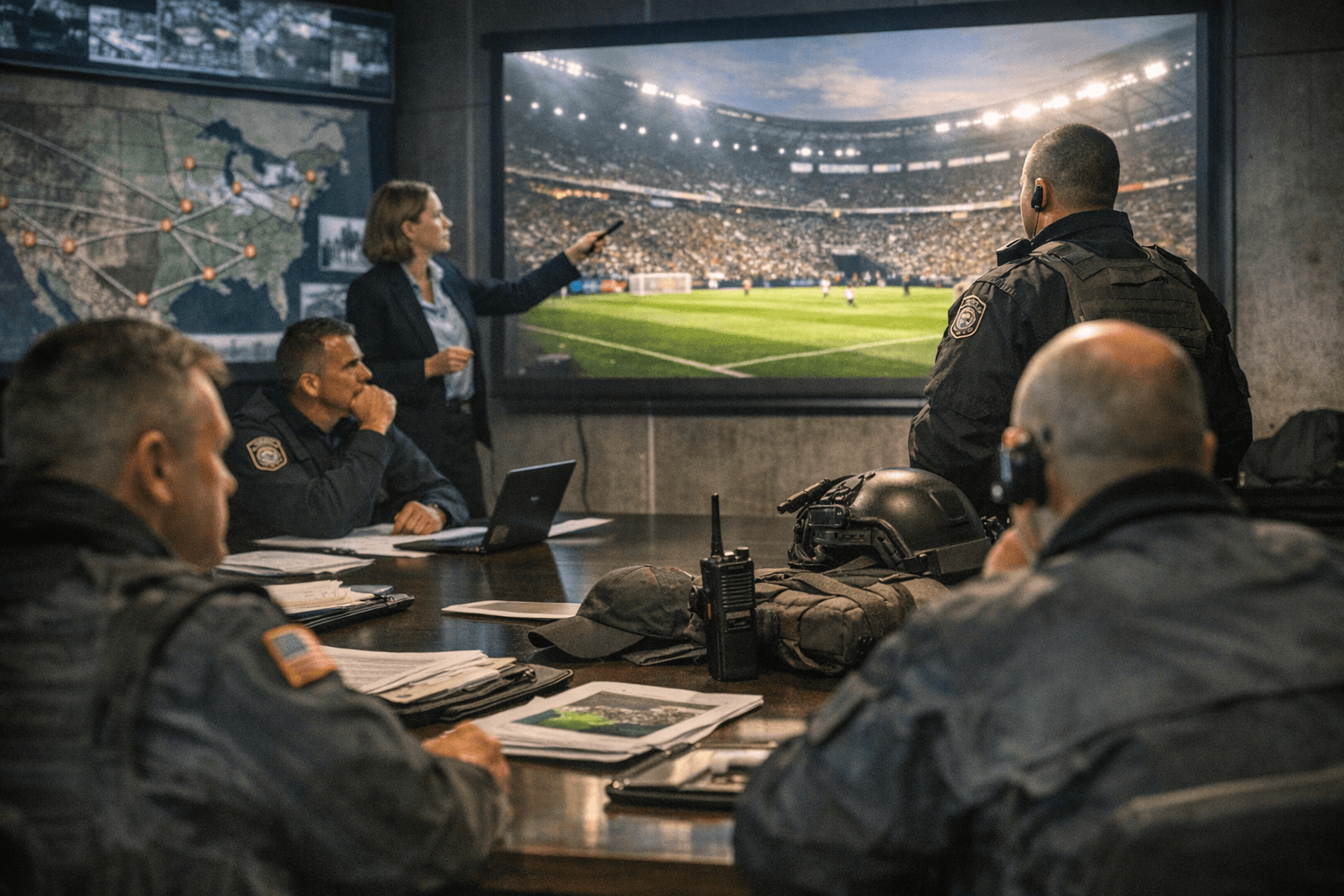
A shutdown at Homeland Security is slowing the security machinery around a World Cup that spans three countries, 16 host cities and a final in New York/New Jersey on July 19. With the opening match set for June 11, the clock is now measuring whether the federal system can keep pace with a tournament that will draw fans, teams and officials across the United States, Canada and Mexico.
The stakes run through the Department of Homeland Security, which is central to World Cup security coordination. Its World Cup 2026 Commission is meant to advise the White House Task Force on the FIFA World Cup 2026 on safety, security and tourism, a mandate that touches cybersecurity, airport screening and border security. That makes DHS more than a back-office player: it is part of the operational chain that helps keep fans moving through airports, crossings and stadium zones without giving threats room to exploit gaps.
On April 15, DHS officials told a Senate hearing that the shutdown had already slowed planning and coordination. FEMA has distributed the $625 million earmarked for World Cup security, but officials said the lapse has still reduced staffing, delayed coordination with state and local partners and created operational gaps that may not be easy to close quickly. The problem is especially acute for host cities that must align federal, state and local security plans long before kickoff, not after the crowds arrive.
The warning from Washington has sharpened in recent weeks. Andrew Giuliani, the executive director of the White House task force, said in late March that every day DHS remains unfunded makes the event more vulnerable. At the same time, intelligence briefings reviewed in March warned of possible threats from extremists and criminals targeting the tournament, underscoring how a global sports event can become a magnet for both ideological and opportunistic actors.
The 2026 tournament will be the first men’s World Cup with 48 teams, adding more matches, more travel and more pressure on the security apparatus than any previous edition. At Capitol Hill hearings, FBI Special Agent in Charge Douglas Olson and other officials reviewed preparations for the event, but the central question remains whether the country can sustain the staffing, coordination and border controls needed to protect a tournament of this scale from June 11 through the final whistle in New York/New Jersey.
This article was produced by Prism’s automated news system from verified source data, official records, and press releases, then run through automated quality and moderation checks before publishing. The system is built and supervised by the people who set the standards it runs under. Read our full AI policy.
Did this article answer your question?