Last surviving Keyishian plaintiff dies, landmark academic-freedom case endures
Harry Keyishian, the last surviving plaintiff in a landmark academic-freedom case, died at 93 as his fight against loyalty oaths still shapes campus law.
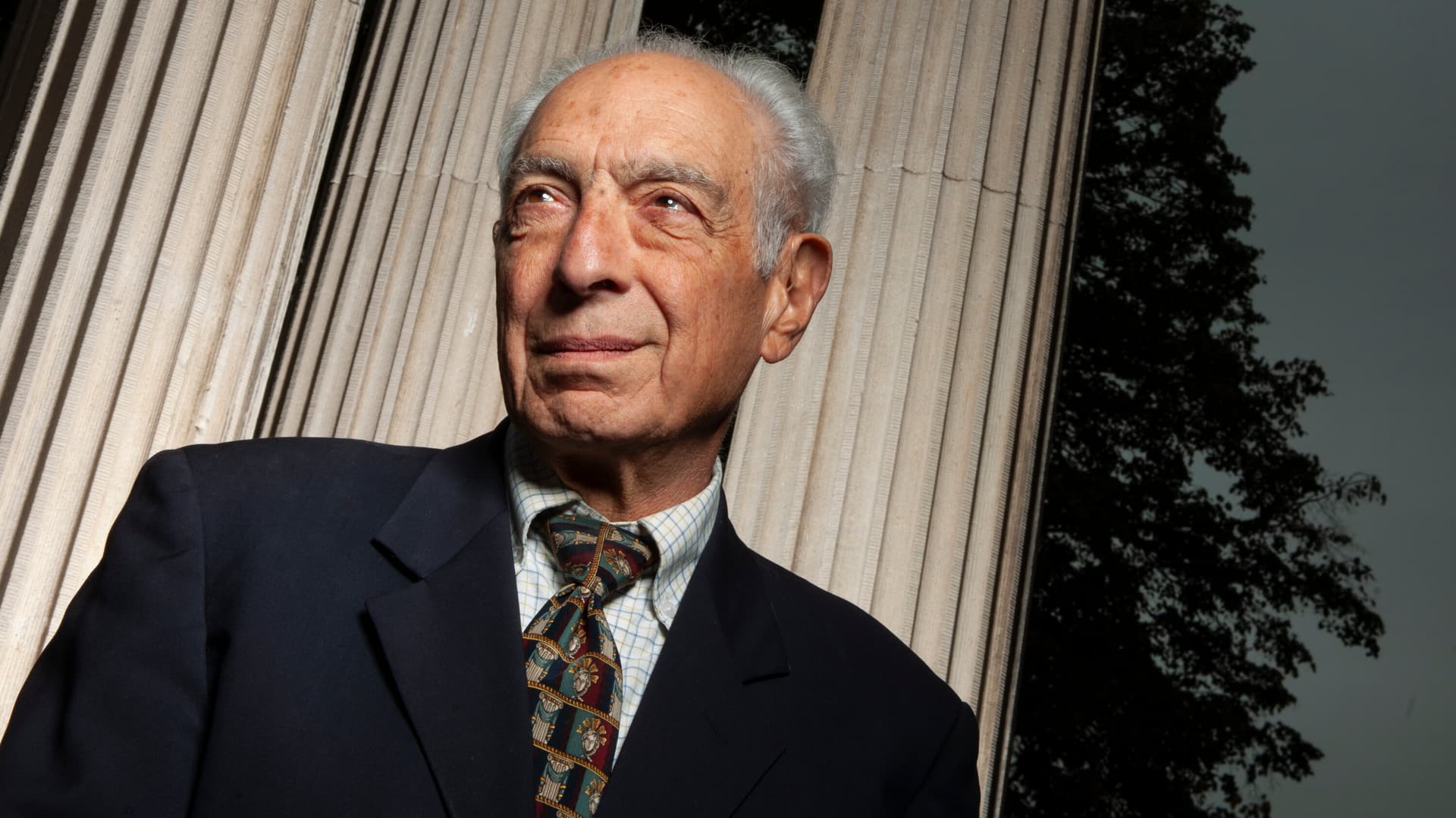
Harry Keyishian’s death closes the last living chapter of a case that helped define the constitutional limits of political loyalty tests in public higher education. He died on April 4 at age 93, leaving behind a Supreme Court victory that still anchors academic-freedom arguments in disputes over speech, ideology and state power on college campuses.
Keyishian was one of five University of Buffalo faculty members fired in 1964 after they refused to sign New York’s anti-Communist loyalty oath, a requirement tied to the Feinberg Law. By then, the University of Buffalo had become part of the State University of New York system in 1962, which made its faculty state employees. The oath demanded that professors certify they were not Communists and had never been Communists. Keyishian was the first of the five to lose his job because he was on a one-year contract.
The challenge reached the Supreme Court as Keyishian v. Board of Regents, and the justices ruled 5-4 on January 23, 1967, for Keyishian and the other plaintiffs. The Court struck down New York’s teacher loyalty laws as unconstitutional, finding them vague and overbroad. Justice William Brennan wrote that academic freedom is “a special concern of the First Amendment,” and the ruling described the classroom as a “marketplace of ideas.”
The decision has endured as a foundational precedent for academic freedom and public-employee speech rights, and later Supreme Court cases have repeatedly cited it. That continuing reach gives Keyishian’s death a present-day edge: the same constitutional questions about who may police thought in public institutions now surface in fights over campus speech codes, faculty discipline and state efforts to shape what can be taught.
After leaving Buffalo, Keyishian spent about 60 years at Fairleigh Dickinson University. University at Buffalo archival collections preserve correspondence linked to the case, including materials from co-litigant Ralph Maud, American Association of University Professors officials, university administrators and attorney Richard Lipsitz, a paper trail that shows how broad the support network around the case became.
More than half a century after the ruling, Keyishian’s name remains attached to one of the Supreme Court’s clearest statements that universities are not supposed to be governed by political loyalty tests.
This article was produced by Prism’s automated news system from verified source data, official records, and press releases, then run through automated quality and moderation checks before publishing. The system is built and supervised by the people who set the standards it runs under. Read our full AI policy.
Did this article answer your question?

