Disabled kea parrot Bruce stuns scientists with tool use, social dominance
A beakless kea learned to preen with pebbles, then rose to alpha male by beating rivals with a lower-beak joust.
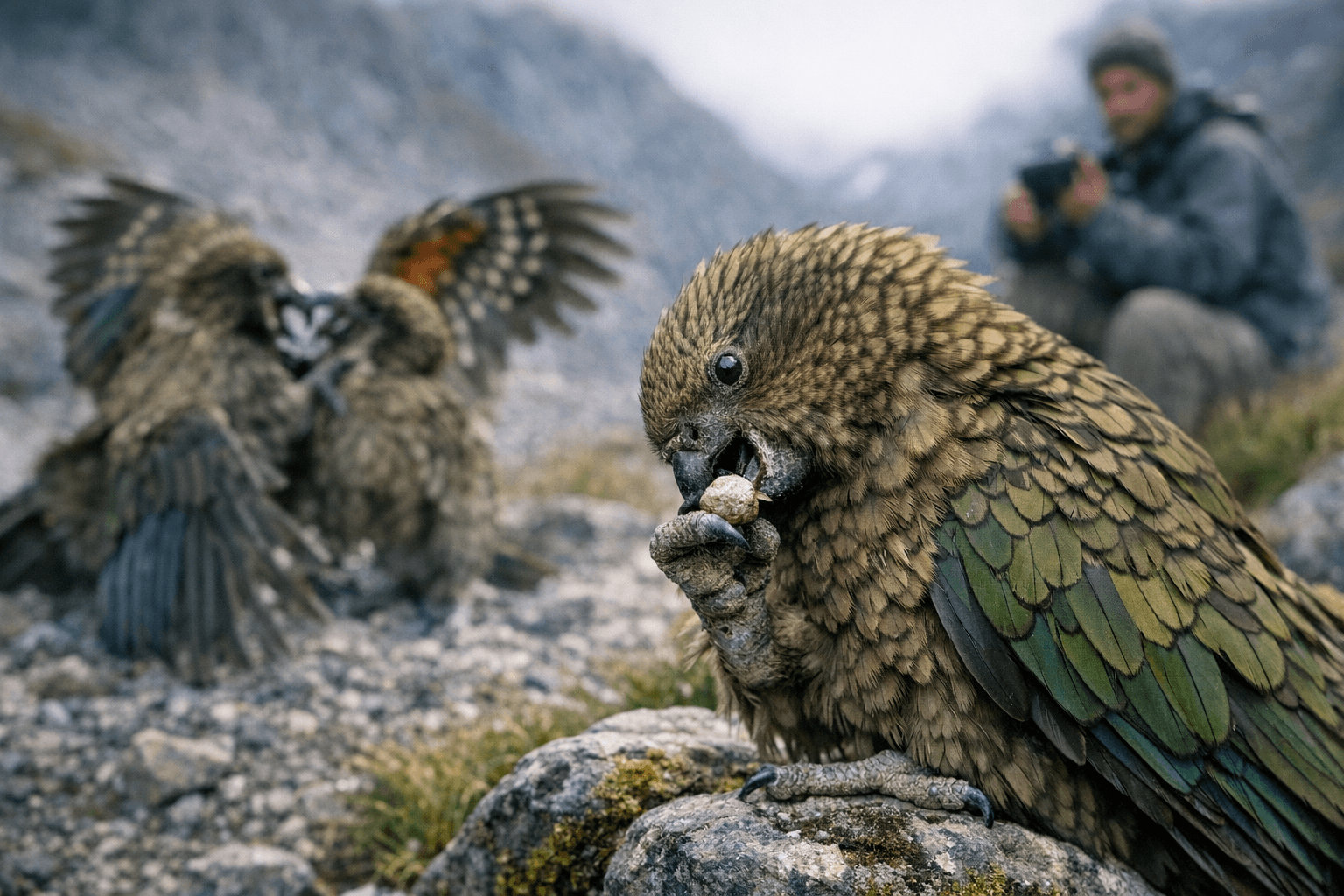
Bruce has turned a life-changing injury into a kind of evolutionary argument. The disabled kea at Willowbank Wildlife Reserve in Christchurch, New Zealand, was found as a juvenile in Arthur’s Pass in 2013 with the upper half of his beak missing, likely from a pest trap or rat trap. Years later, researchers documented not just survival, but invention: Bruce learned to pick up a pebble and use it to groom himself, a behavior that scientists said was the first recorded case of a kea using a tool for self-care and the first scientific observation of a parrot using a pebble that way.
That self-care was not a fluke. In work published in Scientific Reports on September 10, 2021, researchers watched Bruce for nine days and about 20 hours at Willowbank to test whether the behavior was deliberate. More than 90% of the time he picked up a pebble, he used it to preen. When he dropped one, he retrieved it or replaced it in 95% of cases. He also chose pebbles of a specific size, and no other kea in the aviary used pebbles for preening. Keepers had first noticed the habit in late 2019, after Bruce had already adapted in another way, learning to eat harder foods by pressing them against hard objects and holding items between his tongue and lower mandible.
Now Bruce has astonished scientists again, this time by dominating his flock. In a study reported on April 20, 2026 in Current Biology, Alexander Grabham of the University of Canterbury and colleagues described Bruce as the alpha male of his group despite missing his entire upper beak. The bird used a novel beak-jousting technique with his exposed lower beak and feet to defeat rivals, winning every male dominance interaction recorded, including all 36 male interactions he took part in.
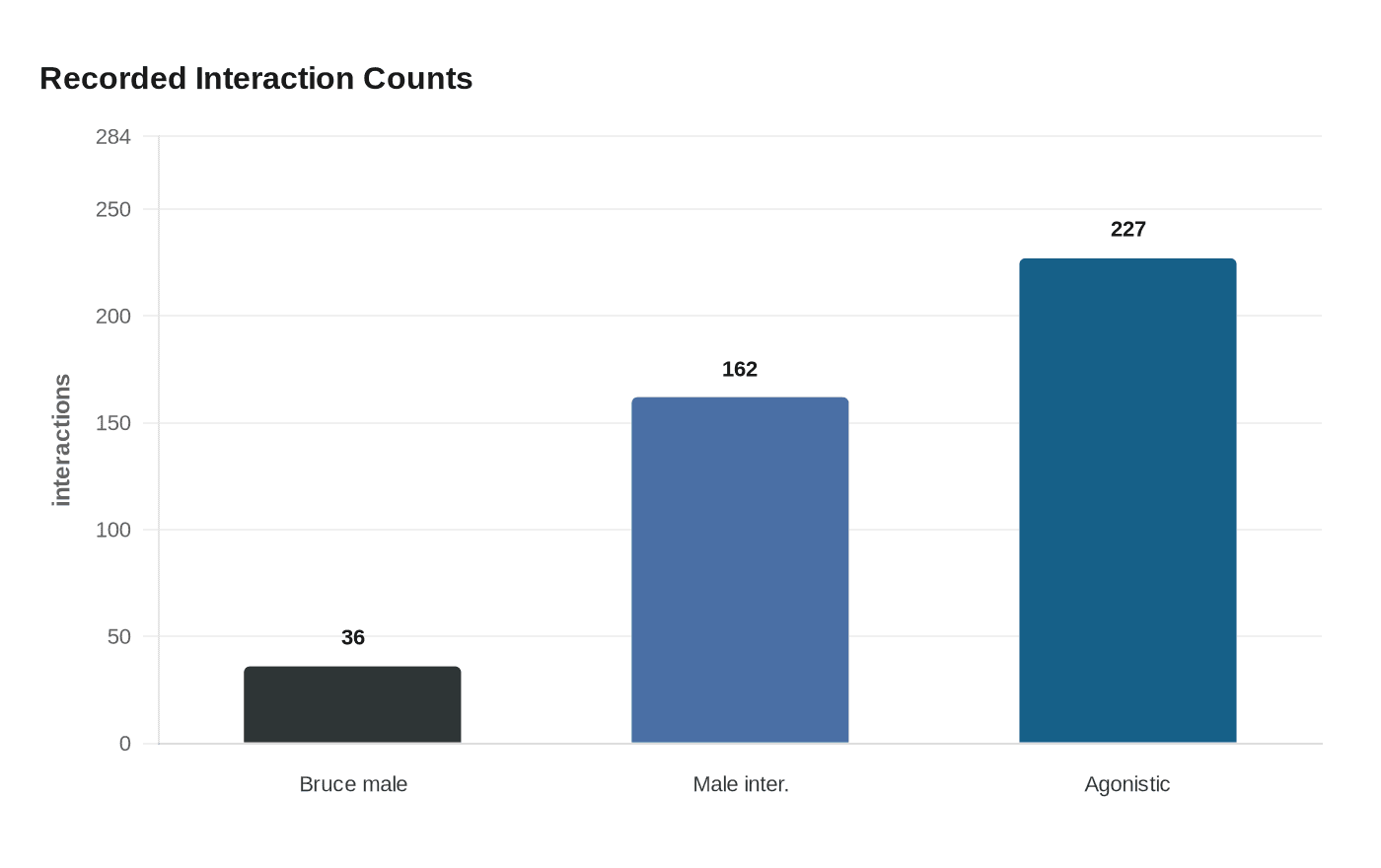
The social record was just as striking as the physical one. Across nine males and three females, researchers recorded 162 male interactions and 227 agonistic interactions overall. Bruce had the lowest corticosterone metabolite levels among his peers, suggesting less stress, and he enjoyed priority access to feeders. He was also the only male allopreened by other males, including beak cleaning. Kea are endangered, crow-size parrots native only to New Zealand’s South Island mountains, long known for curiosity and problem-solving. Bruce’s case suggests that disability in the wild can be met not with decline alone, but with behavioral innovation that rewrites the terms of survival and rank.
This article was produced by Prism’s automated news system from verified source data, official records, and press releases, then run through automated quality and moderation checks before publishing. The system is built and supervised by the people who set the standards it runs under. Read our full AI policy.
Did this article answer your question?