New EU border system triggers airport delays, missed flights across Europe
Passengers missed flights as Europe’s new border checks produced two- to three-hour queues, with one UK flight leaving 51 travelers behind.
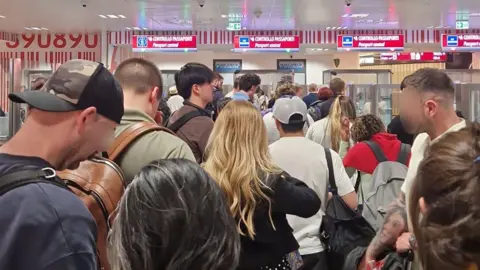
Passengers were left at airport gates across Europe as the European Union’s new Entry/Exit System turned border control into a bottleneck instead of a faster checkpoint. The system became fully operational on April 10, 2026, after a progressive roll-out that began on October 12, 2025, and its first full days brought long queues, missed connections and flights departing without dozens of booked passengers.
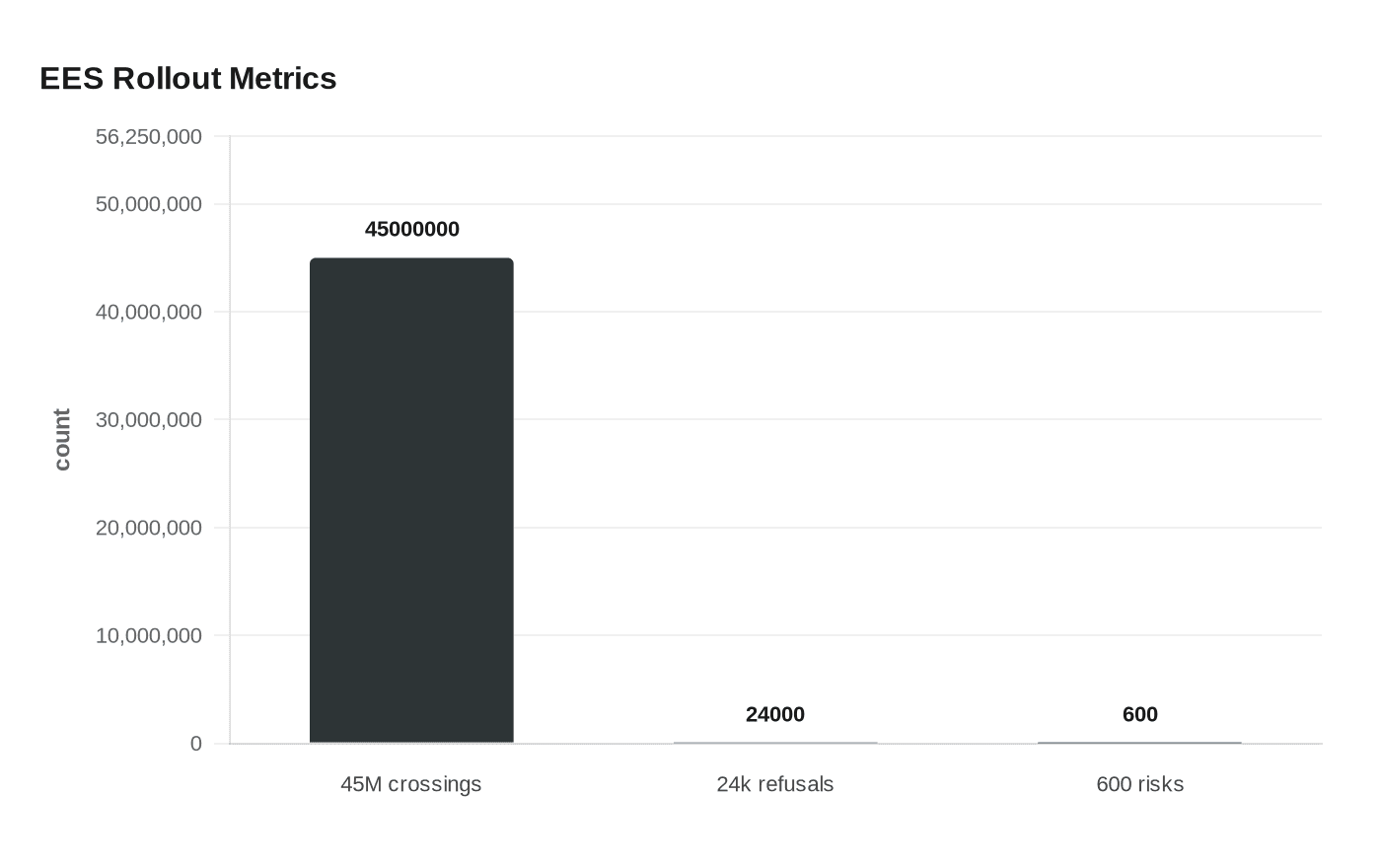
The EES replaces passport stamping with digital recording of entries, exits and refusals of entry for non-EU short-stay travelers. On first entry, travelers must provide passport data, fingerprints and a facial image. The European Commission says later crossings should be quicker because only a fast verification is needed, and it has pointed to more than 45 million registered border crossings, over 24,000 refusals of entry and more than 600 people identified as security risks during the roll-out.
Airport and airline groups say the lived reality has been far harsher. Airports Council International Europe, Airlines for Europe and the International Air Transport Association warned in February 2026 that queues could stretch to four hours or more if flexibility was not built in. When the system went fully live, Airlines for Europe said passenger disruption was already being reported, with waits of two to three hours at airport border control during peak periods.
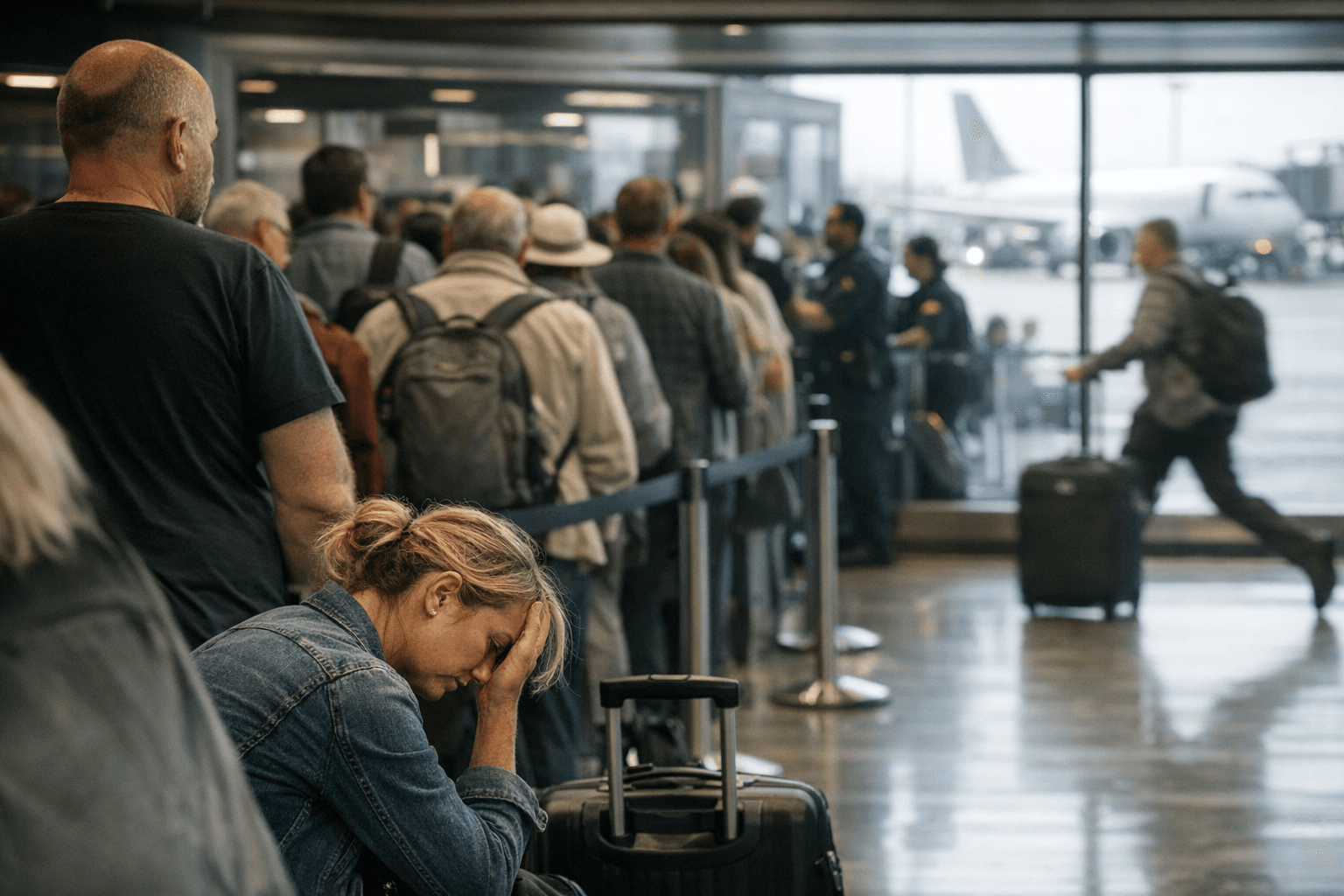
The consequences were immediate. Airlines for Europe said one flight to the UK left with 51 passengers missing, while another departed with zero passengers on board at gate closing time, with 12 more still not at the gate 90 minutes later. In Milan, an easyJet flight from Milan Linate to Manchester left with only 34 passengers aboard, leaving 122 behind. Another disruption involving a Ryanair flight from Milan Bergamo to Manchester left passengers stranded after lengthy passport-control queues, and some later reported spending more than £1,600 to get home.
The mismatch between Brussels’ security pitch and the airport reality has sharpened the political stakes. The Commission has framed EES as a border-modernization tool designed to improve security, detect identity fraud, prevent irregular migration and speed future crossings. But operators say unresolved technology problems, chronic border staffing shortages and limited use of the Frontex pre-registration app are making the rollout harder than policymakers expected.
ACI EUROPE said in December 2025 that the rollout was already creating systemic operational problems and urged a review. By February, its warning had hardened into a call for immediate flexibility. With summer travel approaching, the question now is whether Europe’s digitized border system can be scaled in time, or whether it will remain a case study in how technology, staffing and passenger communication can fail all at once.
This article was produced by Prism’s automated news system from verified source data, official records, and press releases, then run through automated quality and moderation checks before publishing. The system is built and supervised by the people who set the standards it runs under. Read our full AI policy.
Did this article answer your question?