U.S. heads to Pakistan for Iran ceasefire talks as deadline nears
U.S. officials were set for Islamabad as Iran skipped the talks, while a sea seizure and a blockade fight deepened the mistrust threatening the ceasefire.
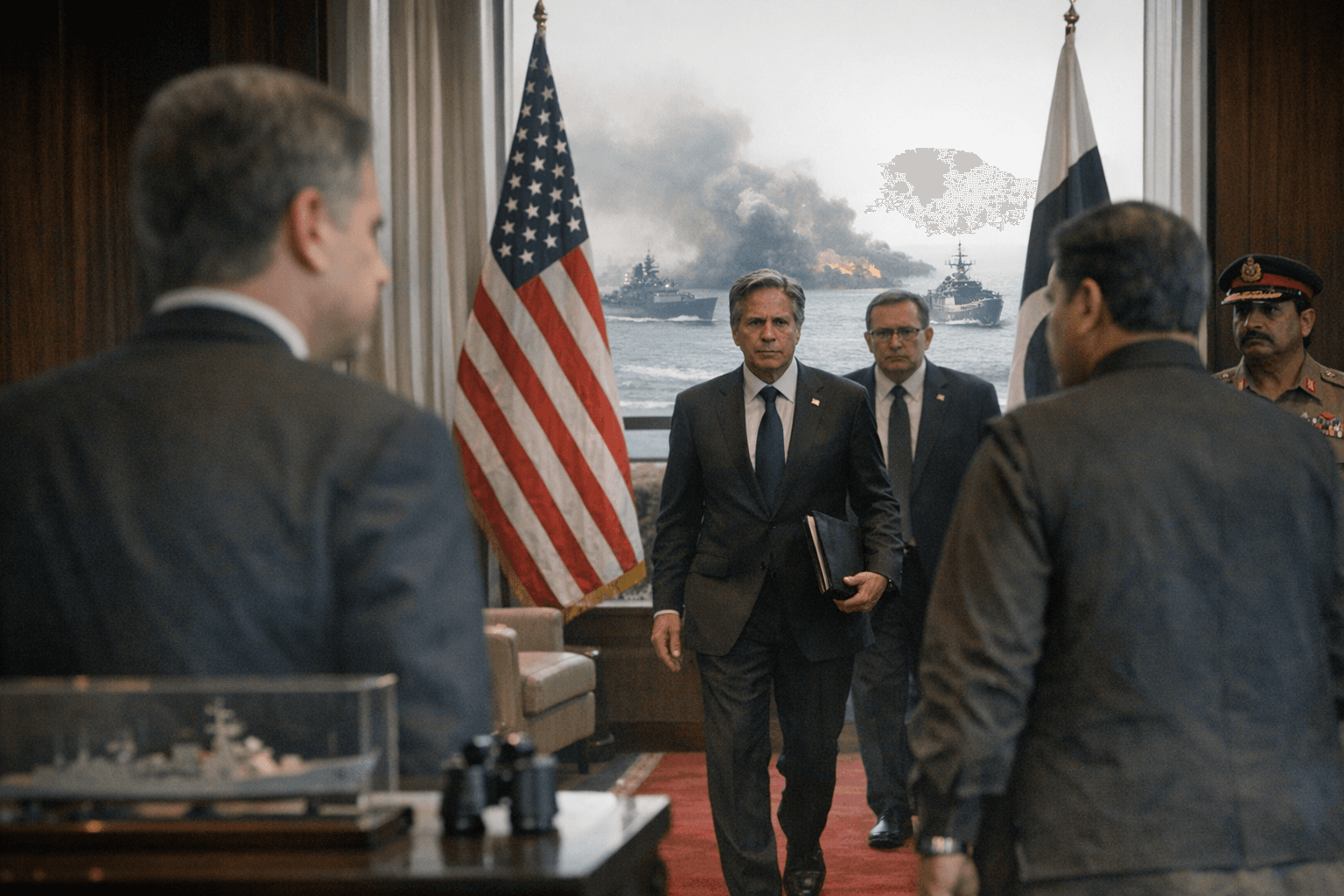
A U.S. destroyer seized an Iranian ship on Sunday, and Tehran’s threat of retaliation sharpened the mistrust surrounding a new round of ceasefire talks expected in Islamabad as the April 22 deadline drew near. The confrontation at sea came just as Washington prepared to send top negotiators to Pakistan, making clear that the central obstacle was not scheduling, but whether either side believed the other would keep its word.
The Trump administration planned to send Vice President JD Vance, special envoy Steve Witkoff and Jared Kushner to Islamabad for the next round of discussions, according to people familiar with the trip. But Iranian state media said Tehran did not intend to take part, citing the U.S. blockade of Iranian ports. Iran’s parliamentary speaker said the Strait of Hormuz would remain closed unless Washington lifted the blockade, tying the diplomacy directly to a maritime standoff that has widened the crisis.
The first round of talks in Islamabad, held April 11 and 12, lasted 21 hours and ended without a deal. That failure left the ceasefire, which began April 8, hanging on a narrow timeline and on an even narrower margin of trust. Pakistan’s Foreign Ministry said April 16 that no date had been set for the next round, even as Islamabad pushed both sides to keep the process alive.
Pakistan has spent the past week shuttling between capitals in an effort to prevent the talks from collapsing. Pakistani Army Chief Asim Munir visited Tehran on April 16 and was publicly welcomed by Iranian Foreign Minister Abbas Araghchi. Prime Minister Shehbaz Sharif traveled to Saudi Arabia, Qatar and Turkey as Pakistan tried to keep regional channels open. U.N. envoy Jean Arnault has also been consulting regional officials.
The diplomatic gap remains wide. U.S. and Israeli leaders want Iran to hand over 970 pounds of highly enriched uranium, and Israeli Prime Minister Benjamin Netanyahu has said Iran should also cancel enrichment capabilities inside the country. Iranian officials and state-run outlets have described those demands as unreasonable and unrealistic, while Washington has insisted Tehran must make a firm commitment not to pursue a nuclear weapon.
The latest flare-up at sea only made the talks harder. State-run Tasnim reported that Iran sent drones toward U.S. military ships after the vessel was seized. With the Strait of Hormuz, Iranian ports and uranium stockpiles all folded into one negotiation, Pakistan is now trying to mediate a deal where even basic contact depends on trust neither side has yet shown.
This article was produced by Prism’s automated news system from verified source data, official records, and press releases, then run through automated quality and moderation checks before publishing. The system is built and supervised by the people who set the standards it runs under. Read our full AI policy.
Did this article answer your question?


