DJI Mic 3 debuts with four-transmitter support and better audio
DJI’s Mic 3 adds four-transmitter support, 32-bit float recording and timecode, but the $259 two-pack still targets serious creators more than casual shooters.

DJI expanded its wireless mic line with the Mic 3 on Aug. 28, 2025, adding support for up to four transmitters and eight receivers, along with adaptive gain control, three voice tone presets, two-level noise cancelling, dual-file 32-bit float internal recording and integrated timecode. The feature set puts the system squarely in the premium tier for smartphone video and small-camera production, where clean dialogue often matters more than camera resolution.
The pricing shows how DJI is positioning the kit. In the United States, DJI lists the Mic 3 two-transmitter, one-receiver package with charging case at $259, the one-transmitter, one-receiver kit at $169 and the receiver alone at $99. DJI says the charging-case version can run for up to 28 hours, and the Mic 3 can connect directly to select DJI devices through OsmoAudio without a receiver. Used with select Sony cameras or computer software, the receiver can output four independent tracks in quadraphonic mode.
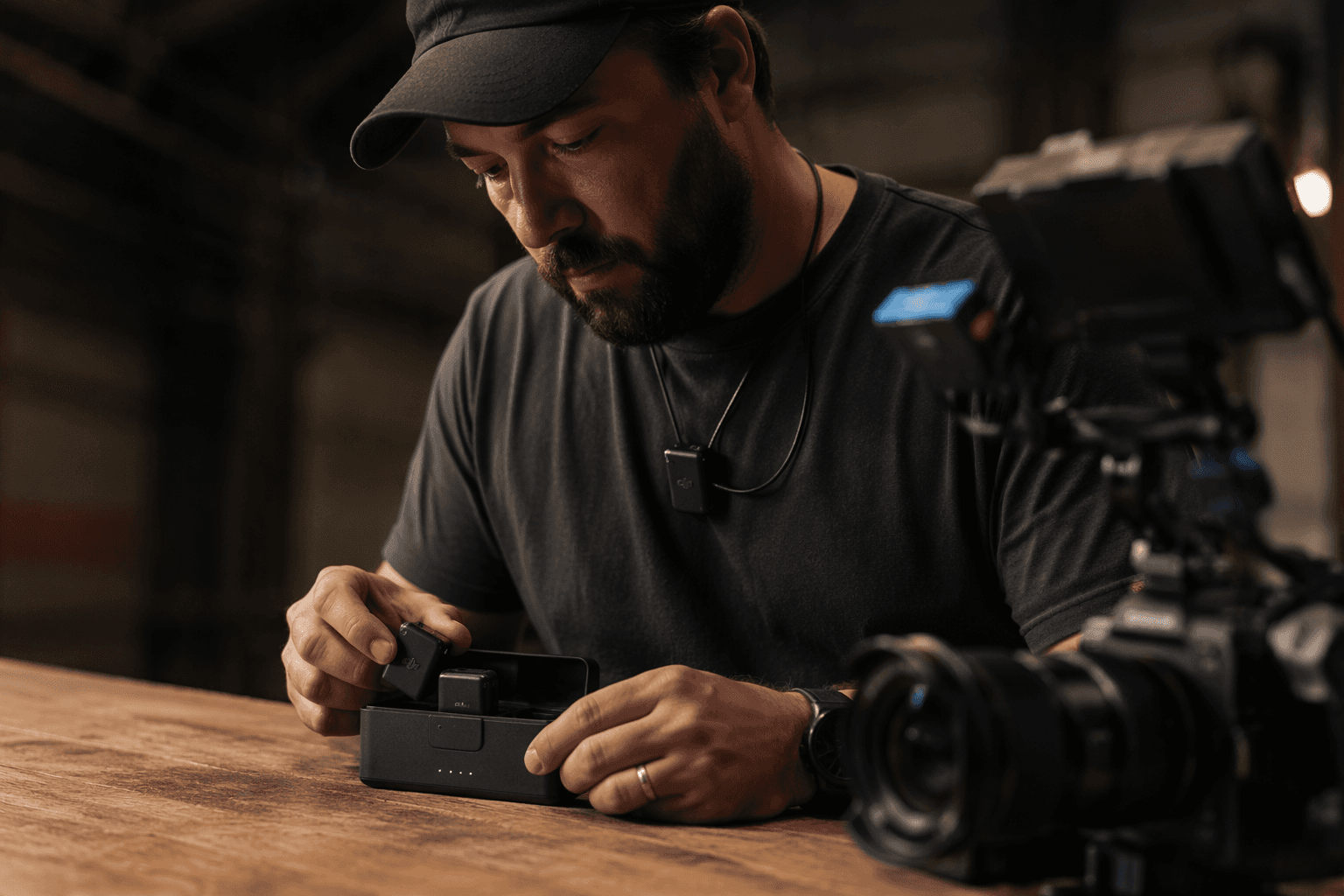
That matters because the buyers who benefit most are the ones who actually need more than a single lavalier channel. Podcasters recording two hosts, mobile journalists capturing interviews in the field and creators shooting multi-camera segments are the clearest matches for Mic 3’s four-transmitter support, timecode and separate-track output. The extra channels reduce the need to scramble during editing, and the 32-bit float recording gives more headroom when speakers move between a whisper and a raised voice.
The value case is less compelling for casual users who only want better audio for quick clips, talking-head posts or one-person vlogs. For that group, DJI’s older Mic 2, which launched on Jan. 17, 2024 with a two-transmitter kit priced at $199, already covered the basic use case at a lower starting price. The Verge highlighted that a two-pack of DJI’s most capable wireless mics had just gotten its first price cut, but the bigger question is still whether a buyer will use the Mic 3’s extra receivers, timecode and multi-track options often enough to justify the premium. For creators who will, the added flexibility is the point; for everyone else, a cheaper wireless lav remains the more rational buy.
This article was produced by Prism’s automated news system from verified source data, official records, and press releases, then run through automated quality and moderation checks before publishing. The system is built and supervised by the people who set the standards it runs under. Read our full AI policy.
Did this article answer your question?