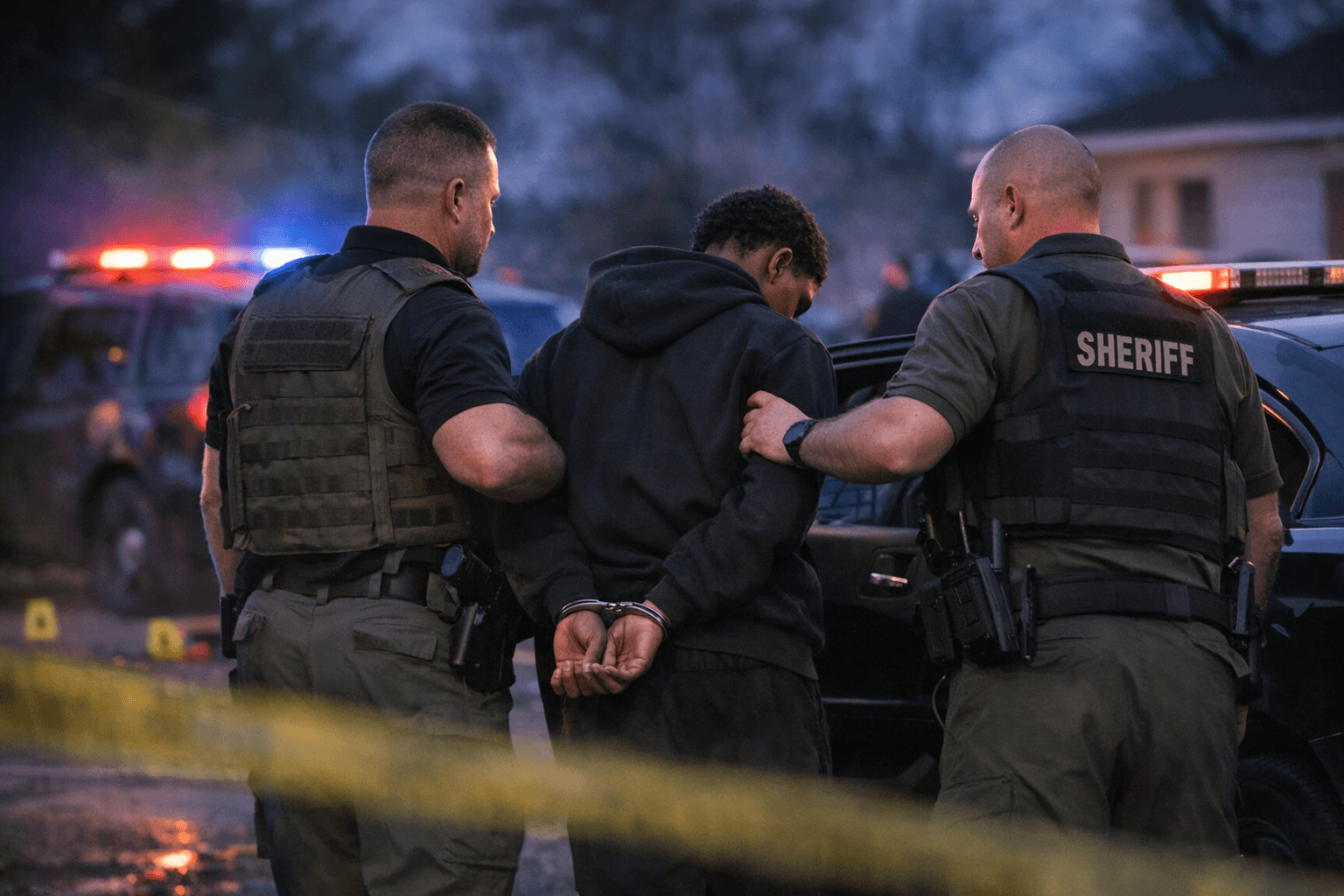
DNA Genealogy Identifies 1966 Geneseo Remains as Missing Fillmore Teen Ronald Cole
Investigative genetic genealogy identified 1966 skeletal remains found near Geneseo as Ronald Joseph Cole, giving long-awaited answers in a decades-old missing person case.
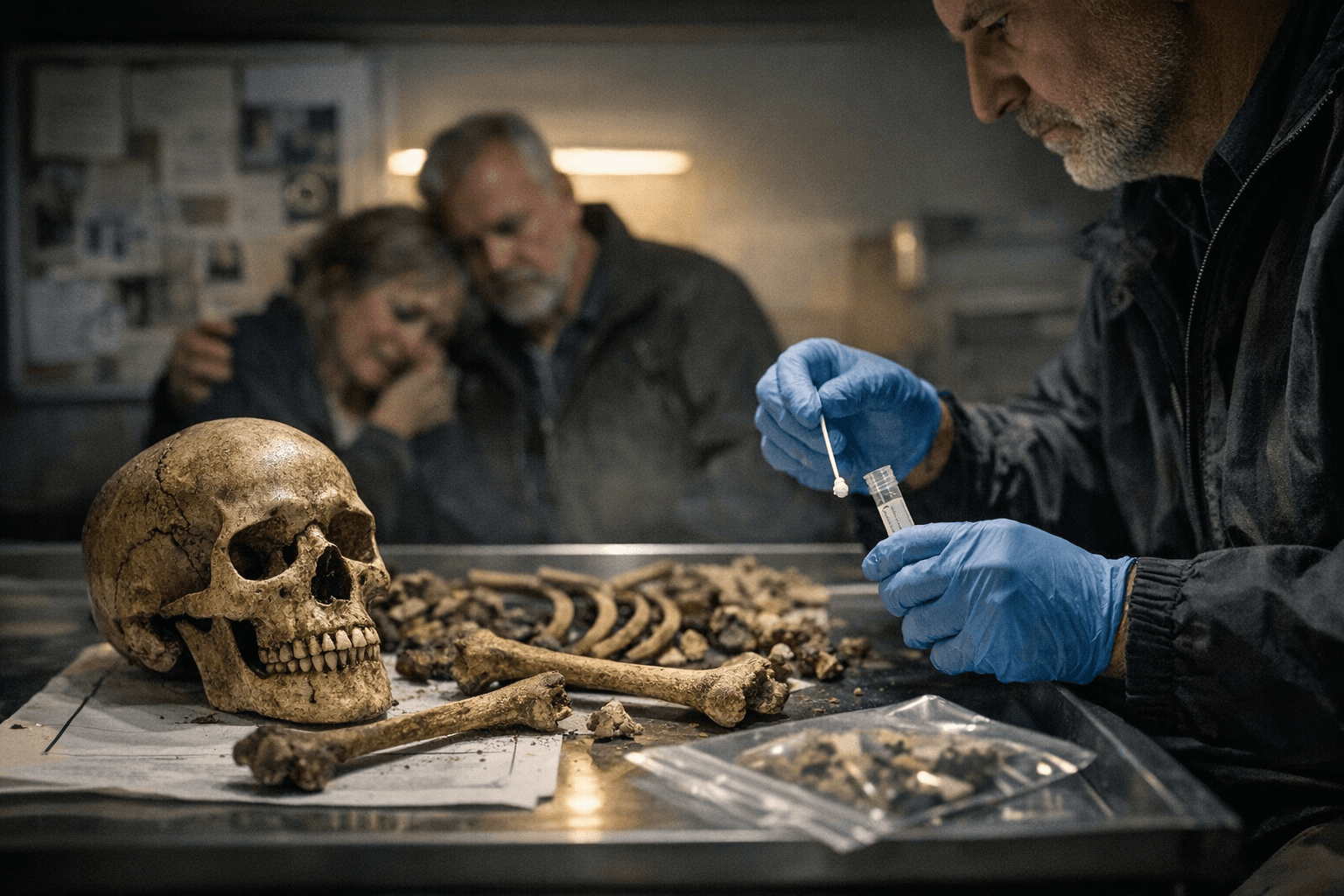
Skeletal remains recovered near Geneseo, Illinois, in 1966 have been identified as Ronald Joseph Cole, a 19-year-old who vanished from Fillmore in 1965. The identification was confirmed in early January 2026 after investigative genealogy led by the DNA Doe Project and county cold-case investigators connected DNA from the remains to family lines using GEDmatch and traditional genealogical research.
Authorities recovered the remains more than half a century ago after cattle ranchers found bones near a field. The remains included a skull exhibiting a bullet hole, a detail that shaped investigative theories for decades but lacked the genetic means to produce a positive identity. The recent breakthrough came when investigators uploaded DNA profiles to GEDmatch and built family trees that ultimately pointed to Cole. The Henry County Sheriff's Office and Ventura County agencies confirmed the match in early January 2026.
This resolution brings practical closure to relatives who had spent generations with uncertainty and offers a textbook example of how genetic genealogy has changed cold-case work. For the true crime community and the broader public, it highlights two realities: preserved biological evidence can solve old mysteries, and shared consumer DNA databases can link cases to living family trees when traditional records stall.
The case also reopens investigative avenues. County cold-case investigators had long suspected involvement by a family member, and the new identification provides a more focused lead set. With a named person, law enforcement can reexamine archived evidence, interview surviving witnesses with clearer timelines, and cross-check records that were previously ambiguous. Identification does not end the inquiry; it reframes it, turning anonymous remains into a person with ties, history, and potential witnesses.
For families with long-term missing person questions, the Geneseo result underscores the value of DNA preservation and of sharing data with investigators. Uploading profiles to genealogy platforms and working with advocacy groups or cold-case units can make a crucial difference when modern tools are applied to old evidence. For the community of cold-case sleuths and amateur genealogists, the case is a reminder to document sources carefully, to preserve chain of custody for evidence, and to collaborate with professional investigators to translate family trees into investigative leads.
The identification of Ronald Joseph Cole closes a painful chapter for his kin while opening a new investigative chapter for law enforcement. Expect renewed inquiries by county agencies as they follow leads tied to the identification, and expect this case to be cited among other cold cases where genetic genealogy unspooled identities once thought lost to time.
Sources:
Know something we missed? Have a correction or additional information?
Submit a Tip