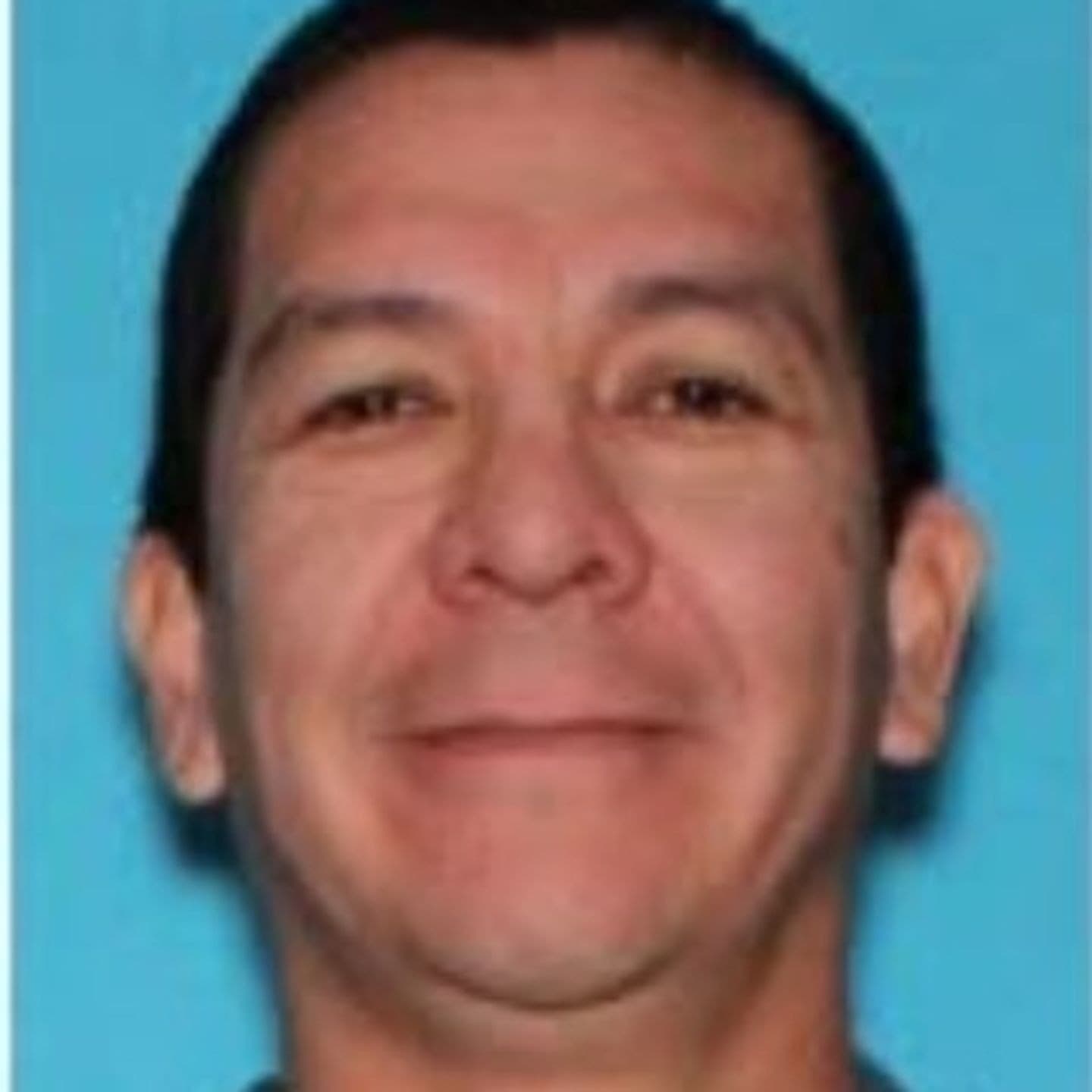
DNA identifies remains of woman found in Twin Cities lakes in 1993
DNA and genealogy gave Denise Elaine Sexton Hartley her name after 33 years, closing a family mystery that began with a severed head in Bone Lake.

The human remains found in two Twin Cities lakes in 1993 have been identified as Denise Elaine Sexton Hartley, giving a name after 33 years to a case that began with a severed head near Bone Lake in Scandia and a left foot near Pig’s Eye Lake in St. Paul. Investigators said modern DNA analysis and genealogy finally linked the remains to Hartley, who was 27 when she was last seen.
The first discovery came on June 12, 1993, when a severed human head was found floating near the shore of Bone Lake in Washington County. The next day, a left foot was found on a Mississippi River bank near Pig’s Eye Lake in Ramsey County, about 20 miles away. At the time, investigators believed the body parts had been cut cleanly, may have belonged to the same woman, and suggested she had been dead for two to three days.
Police also received an anonymous phone confession pointing to more body parts under the Mendota Bridge, but the call could not be traced and no evidence was found there. The death investigation remains open, and no arrests have been made.
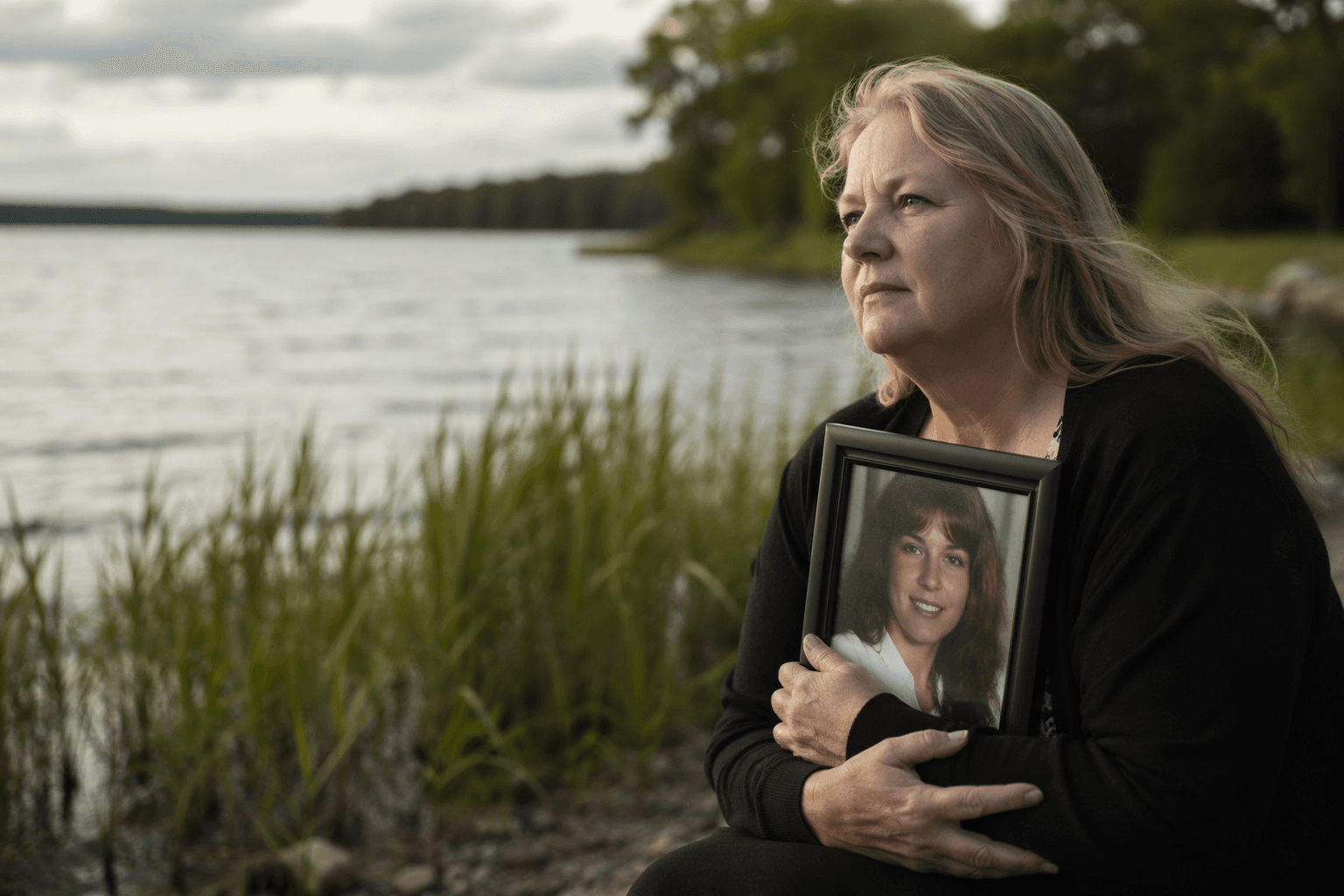
Hartley’s identification brings the case back into focus for relatives who spent decades without a name attached to the remains. She was the youngest of 15 siblings, had moved from Ohio to St. Paul in 1992, and left her daughter with family. Those details deepen the stakes of the breakthrough: the case is no longer just an unidentified set of remains in county files, but the story of a woman with a family, a migration, and a life interrupted.
Washington County Sheriff Dan Starry said, “We never stop looking for answers for victims and their families,” a line that now applies as much to Hartley’s relatives as to investigators still trying to determine how she died. The identification shows how DNA and genealogy can turn cold-case evidence into a name, and how a single forensic breakthrough can shift a case from anonymity toward accountability, even after more than three decades.
This article was produced by Prism’s automated news system from verified source data, official records, and press releases, then run through automated quality and moderation checks before publishing. The system is built and supervised by the people who set the standards it runs under. Read our full AI policy.
Know something we missed? Have a correction or additional information?
Submit a Tip