Judge clears UFC White House fight, blocks Trump name at Kennedy Center
A federal judge let UFC Freedom 250 go ahead on the White House South Lawn as another court fight stripped Donald Trump’s name from the Kennedy Center facade.

A federal judge has cleared the way for a UFC cage fight to go ahead on the White House South Lawn on Sunday, June 14, after rejecting a bid to stop an event already staged in a ring built on federal property. The show, branded UFC Freedom 250, is being tied to the nation’s 250th anniversary celebrations and falls on President Donald Trump’s 80th birthday and Flag Day.
U.S. District Judge Amit Mehta ruled that the plaintiffs did not have standing to challenge the event, leaving intact a plan that has turned one of the country’s most recognizable public lawns into a stage for combat sports and presidential branding. The lawsuit was filed by two Virginia residents and backed by the Public Integrity Project on behalf of a political activist and an Air Force veteran. The complaint called the plans surrounding the June 14 fight “deeply corrupt” and argued that the event would enrich Trump and his allies.
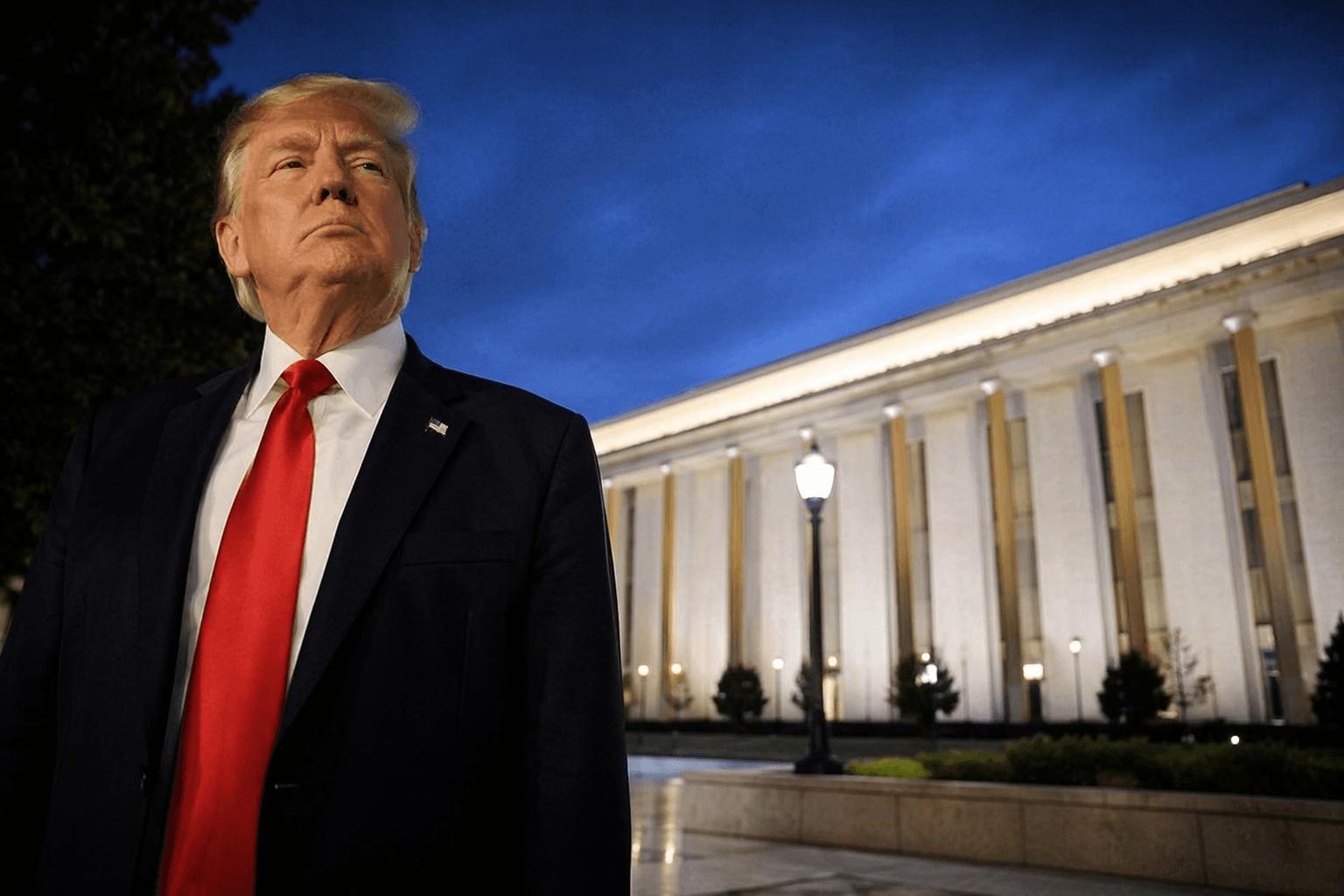
The decision gives UFC and its chairman, Dana White, a green light to proceed with a spectacle that critics say blurs the line between national celebration and personal promotion. The White House South Lawn, long reserved for ceremonial moments and tightly controlled public events, has now become part of a broader political project that uses federal symbols to amplify Trump’s image at the center of the country’s 250th anniversary marketing.
At the same time, another symbolic battle is moving in the opposite direction. The Kennedy Center board filed a last-minute appeal to keep Trump’s name on the John F. Kennedy Center for the Performing Arts, and sought a stay of the order requiring the name’s removal from the facade. A federal judge declined to pause that order, clearing the way for the name to be taken down.
The board, which was appointed by Trump and elected him as its chairman, has argued that the renaming was intended to honor his role in revitalizing the institution. But the center is also scheduled to close for two years starting July 4, 2026, for major renovations, adding urgency to a fight that now sits at the intersection of architecture, politics and presidential self-branding. Together, the two rulings show courts responding to Trump-world culture politics as it pushes into federal institutions that once stood apart from partisan performance.
This article was produced by Prism’s automated news system from verified source data, official records, and press releases, then run through automated quality and moderation checks before publishing. The system is built and supervised by the people who set the standards it runs under. Read our full AI policy.
Know something we missed? Have a correction or additional information?
Submit a Tip