Do food tracking apps really help people eat healthier?
Food tracking apps can sharpen awareness and support weight loss, but they can also backfire for people prone to obsession, shame, or disordered eating.
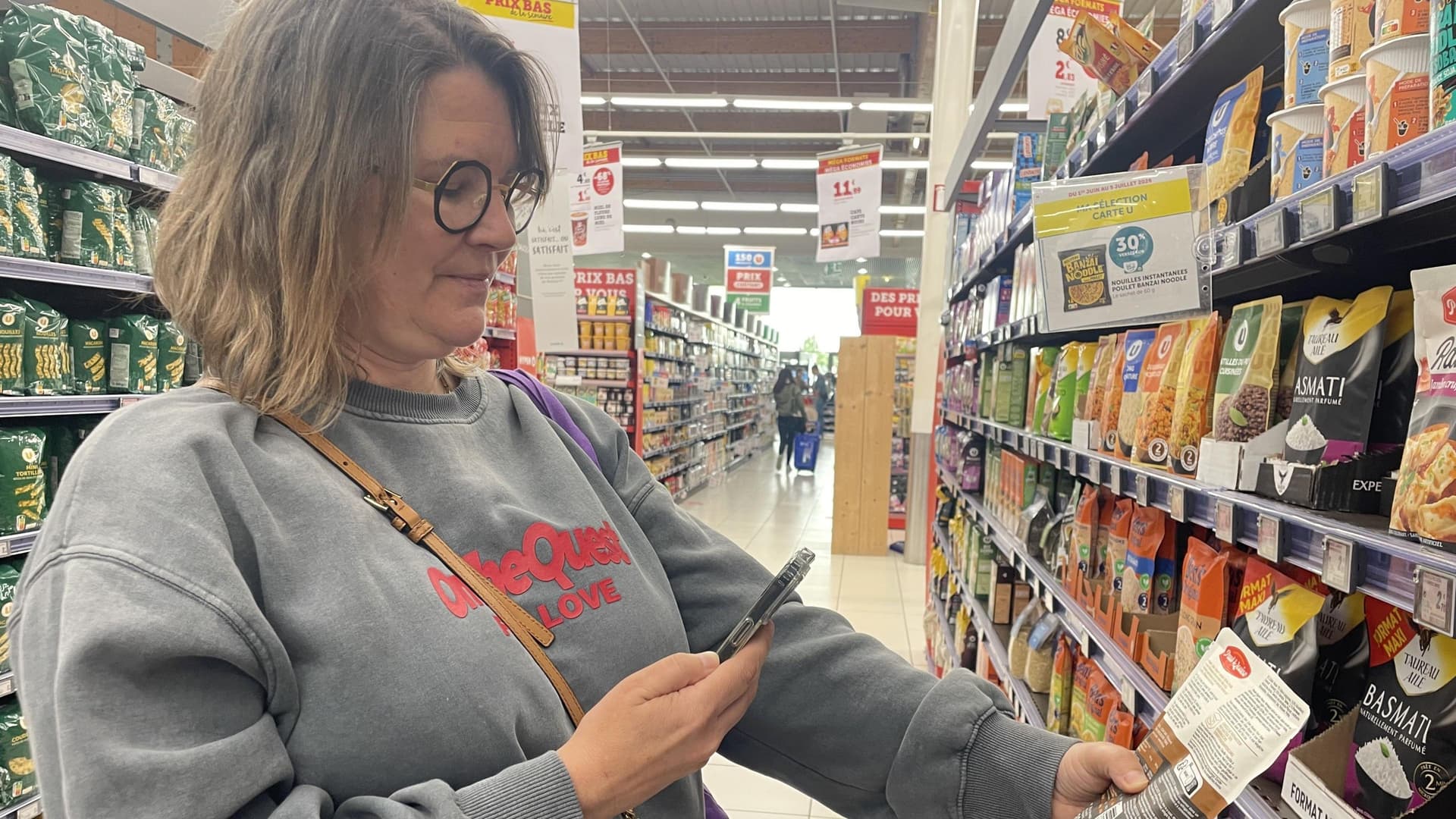
A 2023 PubMed-indexed study in a commercial digital weight-management program examined how food-tracking adherence predicted reaching 3 percent, 5 percent, and 10 percent weight loss after 6 months. Food tracking is not inherently healthy, and it is not inherently harmful. The real question is who is using it, what goal they are trying to reach, and whether the app supports better habits or turns eating into a source of anxiety. For some people, a diary can reveal patterns that were easy to miss, such as sugary drinks, late-night snacking, or a steady calorie surplus. For others, the same tool becomes tedious, inaccurate, or psychologically costly.
When tracking helps, it helps by making patterns visible
The strongest case for food tracking is simple awareness. The American Heart Association recommends keeping a food diary because it can show daily and weekly intake in a snapshot and help people see what they actually eat instead of what they remember eating. Long-term health depends less on a single meal than on the overall pattern of choices, including how often food is ultra-processed, how much sugar people drink, and whether meals are built around nutrient-dense foods.
The Centers for Disease Control and Prevention offers Dining Decisions, a free iPhone app for students in school-nutrition settings. In the right setting, digital prompts can help people make more informed choices in environments where convenience food often dominates.
The evidence points to benefits for some users, not everyone
Research on effectiveness is mixed. Food apps only work if people keep using them. A person who opens the app for three days and abandons it will not get the same result as someone who consistently records meals and drinks.
A randomized trial found that simplified monitoring of high-calorie foods may be a promising alternative to full calorie counting. Many people do not need, or cannot sustain, the precision of logging every gram. A narrower approach can lower the burden while still targeting the foods most likely to derail weight goals. A 2025 PubMed-indexed study found an association between MyFitnessPal use and weight-management outcomes among adults in the United States, suggesting that, for some users, an app can support behavior change rather than just measure it.
The limits are real, and they are built into the tools
Food tracking apps are only as good as the data people enter, and that is where the system often breaks down. A systematic review of validation studies found that mobile dietary record apps still have accuracy limitations. Older nutrition-methodology research has long shown that underreporting of food intake is a major problem in dietary surveys, especially among people with overweight or obesity, which means self-report is already a weak measuring stick before an app enters the picture.
A tool that demands exact portions, frequent scanning, and constant correction can create more friction than insight. A simpler interface may improve adherence, but it can also miss nuance.
Personality, history, and body image change the outcome
Whether tracking helps often depends on the person using it. People who like structure, concrete goals, and visible feedback may find logging reassuring. People who are already anxious about food may find the same routines exhausting. The difference is not just attitude. It is also medical and psychological history.
In one qualitative study of women using MyFitnessPal, participants described increased negative feelings and greater weight- and shape-related concerns. They also warned that the app could be harmful if tracking becomes obsessive or if body image is poor. For someone with a history of disordered eating, an app can shift attention from nourishment and regularity to surveillance and self-criticism.
A 2024 APA-linked study found that tracking food intake and exercise with apps or wearables may be linked with disordered-eating symptomatology. Continuous monitoring can amplify compulsive behavior in vulnerable users, especially when it is paired with social media, appearance pressure, or rigid weight-loss culture.
Clinician guidance should set the boundaries
Clinicians can help by deciding when tracking serves a medical goal and when it is likely to backfire. For weight management, a short-term logging plan may be useful if the goal is to identify patterns and then simplify. For someone with diabetes, blood pressure concerns, or cardiovascular risk, the American Heart Association emphasizes that healthy diet and lifestyle patterns matter more than obsessing over one meal or one imperfect day. That framing protects people from an all-or-nothing mindset.
Guidance also needs to account for digital access and equity. A free iPhone app like Dining Decisions may be useful in a school setting, but that does not mean every family has the same device access, data plan, time, or digital literacy. Food tracking can widen gaps if it assumes everyone can afford a smartphone, has consistent internet, or has the calm and privacy needed to log meals throughout the day.
Policy is part of the story too
The Food and Drug Administration oversees only a small subset of device software functions, including mobile medical applications, and focuses on higher-risk software. That leaves many food-tracking apps in the consumer wellness category rather than the regulated medical-device category. In practice, that means consumers often rely on marketing claims, not clinical standards, when they choose a tracker.
If an app is shaping eating behavior, weight management, or body image, but is not subject to the same scrutiny as a medical product, users can be left to sort out accuracy and safety on their own. Communities already dealing with diet-related disease, stress, and limited access to preventive care may bear the biggest burden when digital wellness tools are overpromised and underregulated.
Better diet assessment may come from outside the app world
Researchers are also trying to improve how diet is measured in the first place. National Institutes of Health-backed research published on March 4, 2025, described stool-sample DNA analysis as a possible way to track what people ate more accurately than self-report alone.
This article was produced by Prism’s automated news system from verified source data, official records, and press releases, then run through automated quality and moderation checks before publishing. The system is built and supervised by the people who set the standards it runs under. Read our full AI policy.
Did this article answer your question?