England report finds adults with learning disabilities die 19.5 years younger
Adults with a learning disability in England die 19.5 years younger, and 39% of deaths in the latest review were avoidable.

Adults with a learning disability in England are still dying 19.5 years younger than people without one, a gap that points to failures in the health and social care system meant to spot illness early and prevent avoidable deaths. The latest LeDeR review found a median age at death of 63 and said 39% of deaths were avoidable, compared with 22% in the general population.
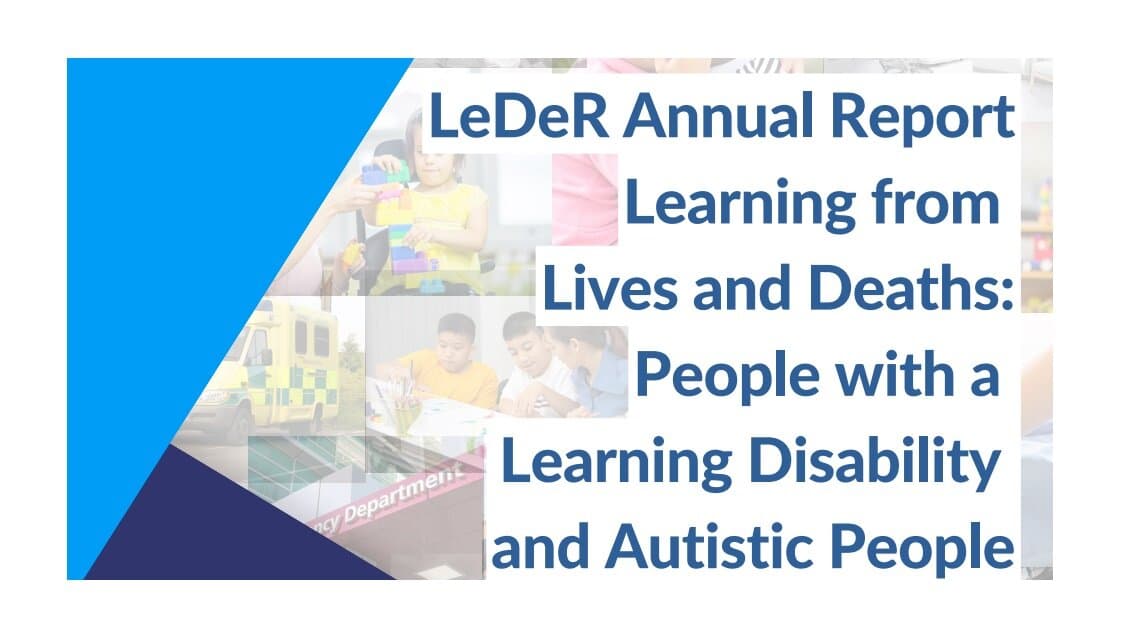
Mencap said the findings should be “headline news” because they show how little has changed since its 2007 Death by indifference report first exposed avoidable deaths among people with a learning disability. The 2023 LeDeR report examined the deaths of 3,556 people with a learning disability and was published in September 2025 after a delay. LeDeR, which stands for Learning from Lives and Deaths, people with a learning disability and autistic people, was established in 2015 by NHS England and King’s College London to improve the quality of health and social care and reduce premature mortality and health inequalities.

The policy response has focused heavily on routine checks. NHS England estimates that a learning disability affects around 1.3 million people in England, but only about a quarter, roughly 330,000 people, are on a GP learning disability register. The NHS Long Term Plan set a target for at least 75% of people aged 14 and over on the register to receive an annual health check, and by the end of March 2025, 79.9% had done so, equal to 267,666 people. NHS England said 77.8%, or 260,722 people, also had a health action plan. Annual health checks can improve health by spotting problems earlier, and NHS GPs in England can be paid to carry them out.
Mencap said around three quarters of people with a learning disability are not on the GP register, leaving many outside a system designed to identify risk before it becomes crisis. The charity also said people with a learning disability from Black, Asian and minority ethnic backgrounds are dying even younger and may be more likely to die avoidably. The latest figures show a public health failure that is still landing hardest on people least likely to be seen, monitored or protected in time.
This article was produced by Prism’s automated news system from verified source data, official records, and press releases, then run through automated quality and moderation checks before publishing. The system is built and supervised by the people who set the standards it runs under. Read our full AI policy.
Did this article answer your question?