DOE posts Reactor Pilot orders after NPR report; critics allege weakened safeguards
DOE posted revised Nuclear Energy Orders on the Idaho Operations Office site, cutting roughly 750 pages and removing ALARA — moves critics say weaken radiation, security and groundwater protections ahead of a July 4, 2026 rollout.
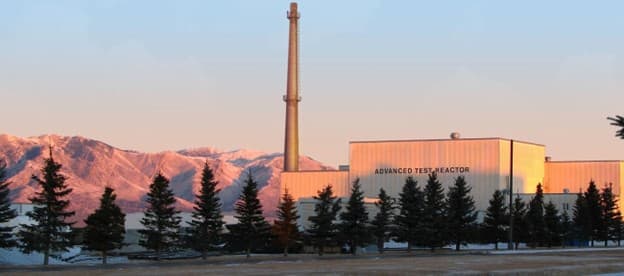
The Department of Energy has posted a suite of internal Nuclear Energy Orders and standards on the Energy Department’s Idaho Operations Office website at Idaho National Laboratory, documents that govern the new Reactor Pilot Program and that DOE says it released after a Freedom of Information Act request. Idaho National Laboratory is running the Reactor Pilot Program created after an executive order from President Trump that set a target for three or more experimental reactors to come online by July 4, 2026.
NPR’s analysis found the rewrite slashed roughly 750 pages from earlier versions of the orders, a reduction described as eliminating about two-thirds of the prior material and leaving roughly one-third intact. The overhaul, performed over fall and winter, touched more than a dozen orders that define requirements for safety systems, environmental protections and site security across reactor operations.
The posted changes include specific rollbacks that experts flagged as operationally significant. The documents cut hundreds of pages of requirements for training security guards and for securing nuclear material, and they loosened protections for groundwater. Neutronbytes identifies the most consequential change as the removal of the “As Low As Reasonably Achievable” - ALARA - radiation-exposure principle, saying “Removal of ALARA Standard: The ‘As Low As Reasonably Achievable’ principle, a decades-old standard for minimizing radiation exposure, has been eliminated from the new orders. This change may allow for less concrete shielding and longer worker shifts.”
The rewrite process itself drew scrutiny. Sources say the administration “quietly rewritten” the orders and shared the revised directives with companies pursuing experimental reactor designs before making them available to the public. Because these are departmental orders rather than formal federal regulations, the changes did not trigger notice-and-comment rulemaking processes that apply to regulations.

DOE told NPR in a letter that “DOE has recently completed the process of making these Nuclear Energy Orders and Standards publicly available to ensure broad public access.” Media accounts vary on timing: one account says the NPR report aired on January 28, 2026, while another notes an NPR item published via WUSF on February 26, 2026; both accounts tie the posting to DOE’s FOIA response.
Union of Concerned Scientists nuclear power safety director Edwin Lyman called the publication “long overdue” and added, “The public has the right to understand what the directives are that DOE is using to authorize these experimental reactors.” Geoff Brumfiel is named in one account as the reporter who documented the changes.
Key gaps remain for regulators and operators reviewing the new regime: the posted files’ creation and revision dates, the specific order names and numbers altered, the exact language that removed ALARA, and which companies received early copies. The documents are available on the Idaho Operations Office page at Idaho National Laboratory; the next operational milestone to watch is the July 4, 2026 target for at least three experimental reactors to achieve criticality.
Know something we missed? Have a correction or additional information?
Submit a Tip