DOJ drops appeals of Trump orders that targeted four major law firms
The Justice Department filed motions March 2 to withdraw appeals defending executive orders that sought to punish law firms, leaving four district court rulings that the orders were unconstitutional in place.
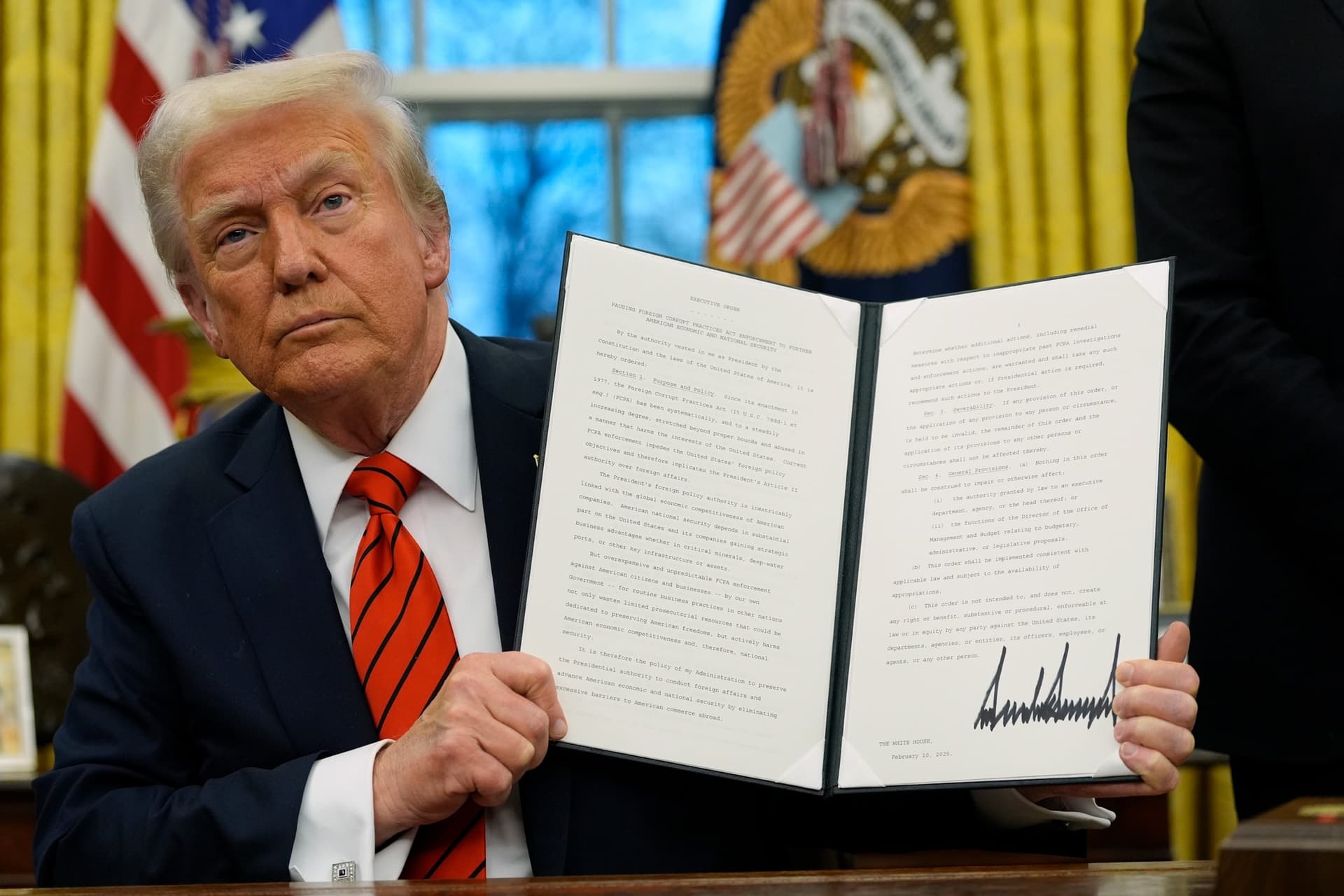
The Department of Justice filed motions March 2 to voluntarily dismiss its appeals defending a set of executive orders issued by President Donald Trump that had targeted several major law firms, effectively leaving intact district court rulings that those orders violated the Constitution. The appeals involved lawsuits brought by Perkins Coie; Wilmer Cutler Pickering Hale and Dorr LLP (WilmerHale); Susman Godfrey; and Jenner & Block.
The orders, signed in March and April 2025, sought to punish firms over certain hires and legal work and would have sought to curtail their ability to represent clients before the federal government. The measures at issue directed agencies to terminate government contracts with targeted firms, strip lawyers of security clearances, and bar access to government buildings, actions described by critics as designed to paralyze firms’ federal practice and to retaliate for First Amendment-protected representation.
Each of the four district courts that heard the cases concluded the executive orders were unconstitutional. The Justice Department initially appealed those losses to the U.S. Court of Appeals for the D.C. Circuit but filed motions to dismiss the combined appeals four days before the department’s joint opening brief would have been due. The department declined to comment when asked about the decision.
Jenner & Block said the DOJ move cements the lower-court holdings. “The government's decision to withdraw its appeals makes permanent the rulings of four federal judges that the executive orders targeting law firms, including Jenner & Block, were unconstitutional. This chapter has once again confirmed what has been true of Jenner for more than a century, we will always zealously advocate for our clients and put them first, without compromise,” the firm said.
WilmerHale characterized the dismissal as vindication. “The government's decision to dismiss its appeal is clearly the right one. As we said from the outset, our challenge to the unlawful Executive Order was about defending our clients' constitutional right to retain the counsel of their choosing and defending the rule of law. We are pleased these foundational principles were vindicated,” a spokesperson said.
Legal advocates hailed the outcome while flagging broader institutional risks. Abbe Lowell, counsel to attorney Mark Zaid, said the department’s retreat amounted to an acknowledgment of the orders’ illegality and warned against presidential power to target groups without due process. “By abandoning the D.C. Circuit appeals, the Department of Justice is effectively acknowledging that President Trump’s executive orders targeting entire law firms were illegal. ... No President is permitted to broadly target or punish groups without appropriate due process, even under the guise of national security,” Lowell said.
The ACLU framed the decision as a rejection of a concerted attempt to penalize lawyers for constitutionally protected work. “The Trump administration finally admits what everyone knew on Day 1: There is no way to defend these unconstitutional executive orders. This shameful assault on the rule of law has failed, thanks to the brave lawyers who refused to compromise their integrity,” said Brian Hauss, deputy director of the ACLU’s Speech, Privacy & Technology Project.
Separate negotiations with other firms illustrate the policy stakes. Multiple firms not party to the suits negotiated with the White House rather than litigate, and those agreements have been described as producing what has been called hundreds of millions of dollars in free legal services; one firm, Paul, Weiss, is reported to have pledged tens of millions of dollars in pro bono work to have sanctions lifted. Those arrangements raise fresh questions about the use of executive power to extract concessions from private counsel and the implications for access to independent legal representation.
With the appeals withdrawn, the district court rulings remain the operative federal determinations unless new proceedings are filed. The D.C. Circuit docket will reflect the formal motions to dismiss, and observers say the withdrawals will likely end the appellate defense of the challenged orders for now.
This article was produced by Prism’s automated news system from verified source data, official records, and press releases, then run through automated quality and moderation checks before publishing. The system is built and supervised by the people who set the standards it runs under. Read our full AI policy.
Did this article answer your question?

